 Search


 English
 中文简体
 русский
 عربى


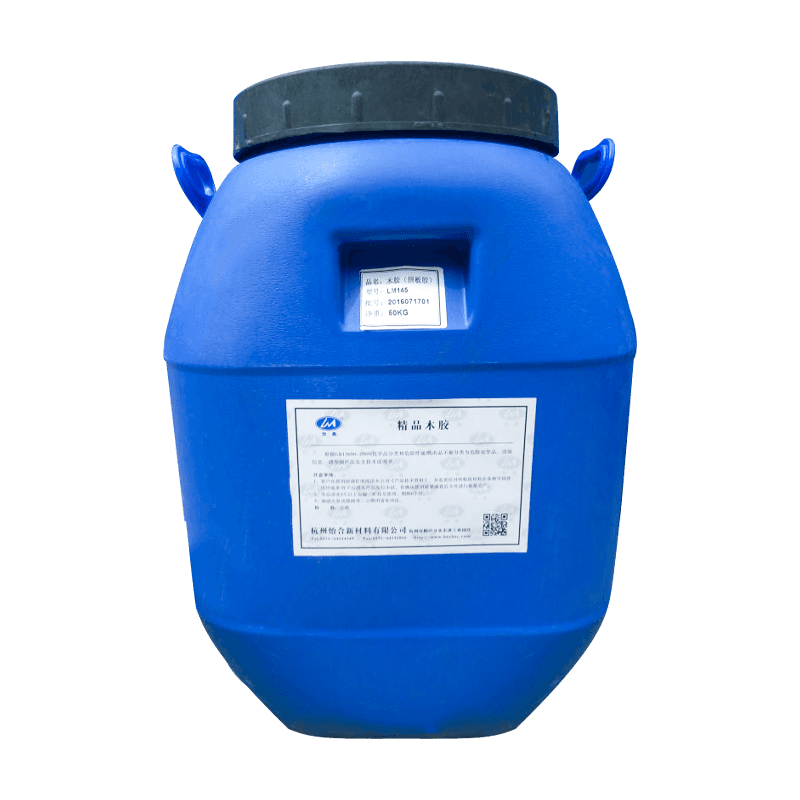




Hangzhou Yihe New Materials Co., Ltd. is a Premium Laminate Adhesive manufacturer in China, producing eco-friendly adhesives since 1997 from our base beside the Fuchun River in Tonglu. Research, production and sales operate under one roof, supported by complete laboratory facilities, independent R&D and a technical service team that works directly with woodworking plants.
The Premium Laminate Adhesive range sits within our Premium Woodworking Adhesive. It covers decorative laminate and door-skin bonding, together with the press assembly of wooden and paint-free doors, where the bond line must stay flat beneath a visible face and hold through repeated humidity, handling and machining.
- Decorative laminate and facing materials bonded to MDF, composite and solid-wood door components
- Press-built door blanks, stiles, rails and frame joints assembled into finished door sets
- Paint-free door production where bond-line cleanliness and surface appearance are inspected directly
- Manual pressing cells and machine-assisted lines that need a repeatable setting within the shift
Range and positioning in the door plant
Two production grades carry the range. LM143 Quick-Drying Lamination Adhesive is the fast-setting lamination grade for flat facing work, where the press is waiting and wet film uniformity decides the surface. LM135 Press Door Adhesive For Wooden Door Assembly serves press-built door blanks and frame assembly, where gap filling and handling strength matter as much as final bond strength.
| Production step | Grade | Bonding duty | Application route | What we match to the line |
|---|---|---|---|---|
| Flat lamination of decorative laminate to door skins and panels | LM143 | Large-area facing bond beneath a visible surface | Roller spreader, then press | Wet film uniformity, open time, press cycle |
| Paper and thin facing onto MDF or composite | LM143 | Porous substrate, fast wet-out, no strike-through | Roller or manual coating, heated press | Viscosity, coat weight, drying rate |
| Press-built wooden door blanks | LM135 | Multi-component blank closed in one press cycle | Manual lay-up, then press | Assembly time, gap filling, clamp pressure |
| Door frame, stile and rail assembly | LM135 | Joint bond that must survive trimming and handling | Manual application with controlled spread | Spread rate, handling strength, squeeze-out control |
| Paint-free door face and edge bonding | LM135 | Clean appearance without sanding through the face | Manual or machine-assisted pressing | Product consistency, bond-line cleanliness, press release |
Process fit: from spreader to press release
Both grades run on manual and machine-assisted routes. The setting changes with the route, not the chemistry: a spreader line needs a stable wet film across the full panel, while a manual cell needs an open time that survives lay-up without the adhesive skinning over.
- Roller coating gives the most consistent film on large door skins; manual spreading suits short runs, re-press work and assembly stations.
- Open time is matched to the interval between laying the face and closing the press, so the last panel loaded transfers the same as the first.
- Press pressure is held high enough to wet out the glue line and low enough to protect a gloss or textured laminate face.
- Dwell time follows the adhesive, the door mass and the platen temperature available, rather than a single figure carried across machines.
- Pressed panels are stacked flat with even load distribution so handling strength develops without bowing.
Workpiece and material considerations
Most laminate and press-door defects we investigate begin at the workpiece, not in the drum. Substrate condition, face material and shop climate all shift the working window, and the adhesive has to be set around those realities.
- Panel moisture: wood-based substrates are run at a stable moisture content; wet or case-hardened MDF changes penetration and can show through a thin face.
- Surface preparation: sanding dust and release agents are removed before coating. A fresh, open surface bonds more predictably than a glazed or contaminated one.
- Face material: laminate thickness, backing type and surface finish influence coat weight and press pressure; a heavy backing needs more wet-out than a thin paper facing.
- Door construction: core type, stile and rail fit and joint clearance determine whether a lamination grade or a gap-filling press grade is the correct starting point.
- Shop climate: board and adhesive temperature below the normal working range slow wet-out and extend the required press time.
Critical specifications fixed for each line
The specification sheet we issue is built around the working point, not a catalogue average. The table shows the variables that determine performance in production and the basis we use to set them.
| Parameter | Effect on the bond | Basis for setting |
|---|---|---|
| Viscosity and solids | Wet film build, penetration and final glue-line thickness | Applicator type and substrate absorbency |
| Coat weight | Coverage, telegraphing, squeeze-out and adhesive consumption | Face film and panel porosity, confirmed on trial panels |
| Open and assembly time | Transfer after lay-up and joint wet-out before clamping | Line speed, operator handling and number of assemblies per cycle |
| Press temperature, pressure and dwell | Wet-out, cure development and surface flatness | Door construction and the press capability installed on site |
| Post-press stacking | Handling strength, bow and dimensional stability | Ambient conditions and the downstream machining schedule |
Quality assurance and acceptance
Raw materials are tested before production, and finished batches are checked against the agreed specification before release. Our quality management system is certified to ISO 9001 and our environmental management system to ISO 14001; the company also holds National High-Tech Enterprise qualification.
- A trial protocol is agreed before a line change, covering substrate, coat weight, press settings and sampling points.
- Acceptance testing typically combines peel or bond-strength checks, water and heat exposure, and a visual inspection of the face for telegraphing or edge lifting.
- Batch identity is retained through production and dispatch, and a certificate of analysis is issued with the shipment.
- For woodworking projects, our formulations are aligned with the limits of GB 18583-2008 and GB 33372-2020, and the relevant declarations form part of the supply documentation.
Information we use to configure your solution
A grade recommendation is only as good as the production data behind it. These are the inputs we work from when preparing a configuration and quotation for a laminate or press-door line.
- Construction: door or panel build, substrate species and density, MDF grade, core type, stile and rail geometry
- Face material: laminate grade, thickness and backing, paper weight, surface finish, edge treatment
- Process: coating method, press type and platen size, available temperature and pressure, current cycle time
- Output: shifts per day, panels or doors per cycle, planned changeover frequency and re-work volume
- Performance requirements: bond strength target, water and heat resistance class, appearance standard, VOC or odor limits
- Downstream operations: trimming, CNC machining, edge banding, coating and packing sequence
- Supply details: packaging preference, delivery destination, documentation language and required compliance declarations
Where an existing adhesive is in use, we also review its technical data and any failure history so that the starting formulation is not chosen at random.
Packaging, documentation and supply scope
Packaging is quoted to the order and confirmed against the customer's handling equipment and storage conditions. Each shipment carries the technical data sheet, safety data sheet and certificate of analysis, with storage and shelf-life guidance for the grade supplied.
Frequently asked questions
What is Premium Laminate Adhesive used for?
It bonds decorative laminate and facing materials to wood-based door components and supports the press assembly of wooden and paint-free doors. The range covers flat lamination of door skins and panels as well as press-built blanks, frames and stiles. It is used in furniture, cabinetry, interior door and paint-free door production.
How do LM143 and LM135 differ?
LM143 is the quick-drying lamination grade: it is chosen for flat facing work where the press cycle is short and the visible face must stay clean. LM135 is the press-door grade, formulated for assembly and blank pressing where joint fit and gap filling matter. The correct starting point is the bond line, not the machine alone.
Can the range run on manual presses and manual lay-up?
Yes. Both grades are used in manual and machine-assisted operations. For manual cells we set the open and assembly time around the handling sequence, and for spreader lines we set viscosity and coat weight around the applicator.
What testing supports approval before a production run?
We agree a trial protocol with the plant, covering substrate batches, coat weight, press settings and sample location. The panels are then checked for bond strength, water and heat resistance, and surface appearance. Results and batch documentation are reviewed with the customer before full release.
What information do you need to prepare a quotation?
We need the door or panel construction, substrate and face material, application method, press capability and target output. Performance requirements, packaging and destination complete the picture. With those inputs we can propose a grade, a trial plan and a supply configuration rather than a generic drum price.











