English
 中文简体
 русский
 عربى
News
Home / News / Industry News / EVA Hot Melt Adhesive: Practical Guide for Woodworking and Furniture Making
 Search
 +86 178 5710 2305


EVA hot melt adhesive rarely gets the spotlight. It sits in the melter at the end of a production line, quietly holding edge banding to a door panel or one carton flap to another, and most people only think about it when a bond fails. We have been formulating hot melts since 1997, when the company was still a small specialty adhesive plant on the banks of the Fuchun River, and the lesson from all those years is simple: this material rewards anyone who takes ten minutes to understand it.
In plain terms, EVA hot melt is a thermoplastic adhesive built on an ethylene-vinyl acetate copolymer. It arrives as granules or pillows, melts into a fluid at roughly 150 to 180 °C, wets the substrate, and develops strength as it cools. Nothing evaporates and nothing crosslinks, which is precisely why it sets so fast and why a finished joint can be reopened with heat.
Content
A typical formulation contains four families of raw material, and each one earns its place:
Because all of that is solid at room temperature, the adhesive is called 100% solid: no water, no solvent, no VOC contribution from the glue itself. The bond is physical rather than chemical. As the melt cools, the polymer re-crystallises and the joint locks up. That has one honest consequence — the same heat that made the bond can soften it again. In furniture assembly that reworkability is often a benefit; in an application that will sit at 80 °C under load, it is a limitation worth knowing before you specify.
What makes EVA the default general-purpose hot melt is not one outstanding property but a well-balanced set of them:
When two EVA grades look identical on the datasheet and differ in price, vinyl acetate content is usually the reason. It is the clearest single indicator of what the formulator had in mind.
| Grade band | VA content | Character | Typical use |
|---|---|---|---|
| Low | 5–15% | Harder film, higher softening point, crisp set | Furniture edge banding, profile wrapping |
| Medium | 20–28% | Balanced flexibility, tack and cohesion | General assembly, packaging, bookbinding |
| High | 30–40% | Soft and flexible, better cold performance | Food packaging, low-temperature bonds, films |
Treat those bands as a starting point rather than a specification. Two grades with the same VA number can behave very differently once the resin and wax balance changes, which is why a trial on your own line still beats any table — including this one.
Edge banding is the application most furniture makers associate EVA with, and for good reason: the glue has to grab quickly, tolerate a machined edge and survive trimming without chipping or peeling. A universal grade covers the majority of wooden door and panel work — straight-line and curve banding alike — at normal line speeds, with the kind of consistency that keeps an operator from having to babysit the melter all shift.
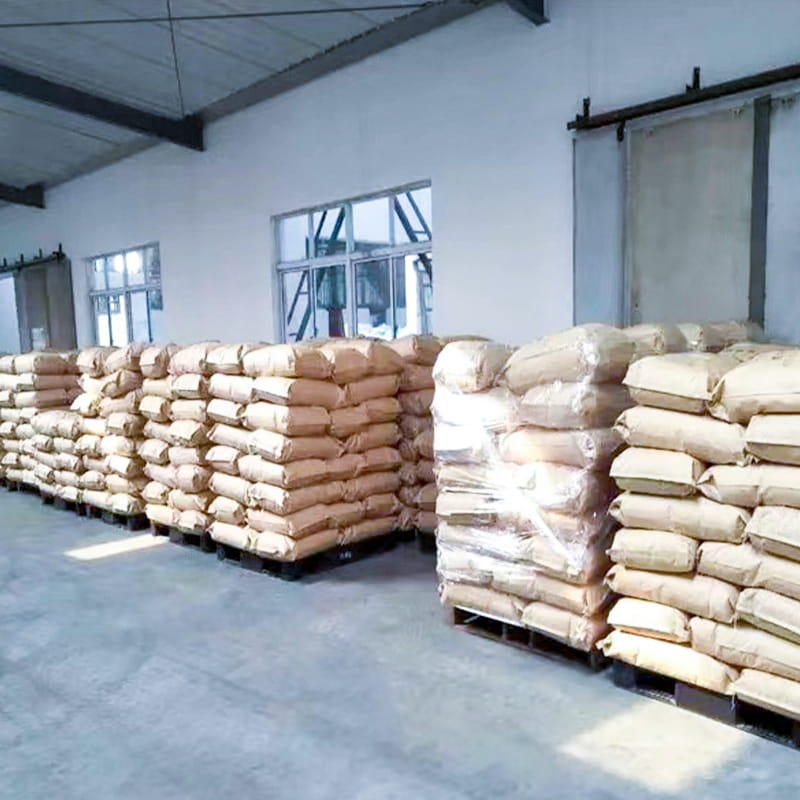 LM8701 Universal EVA Edgebanding Hot Melt AdhesiveUniversal EVA edgebanding adhesive for PVC, ABS, veneer and decorative paper, offering long open time and no visible glue line at 16–22 m/min.View Product →
Wrapping is a different challenge: a thin decorative layer has to follow a shaped profile without lifting at the radius. EVA wrapping grades are formulated for a short open time and a firm initial hold, so the laminate stays put while it cools. They work well with veneer, CPL and similar decorative surfaces where a slightly flexible bond helps the wrap sit flat around a curve.
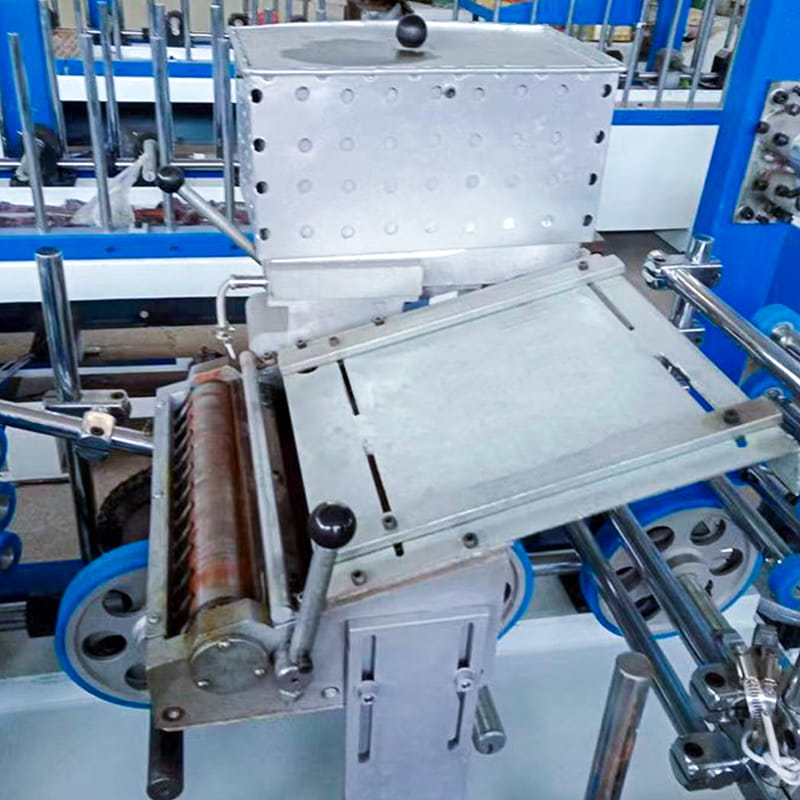 LM8705 EVA Hot Melt Adhesive for Veneer and CPL WrappingEVA wrapping adhesive for bonding veneer and CPL onto MDF, particle board and solid wood, with high strength, no smoke or odor at 160–175°C.View Product →
Outside woodworking, the same chemistry shows up in carton sealing and case packing, bookbinding, footwear assembly, automotive interior trim and general product assembly. Packaging remains the largest single market, simply because a fast-setting, solvent-free bond suits a sealing line that runs thousands of cartons per shift.
Customers ask us this constantly, and the answer is rarely "one is better". The two chemistries solve different problems.
If a panel is destined for a normal indoor environment and the line runs at speed, EVA is usually the sensible choice. If the joint faces steam, repeated washing, outdoor humidity or a hot car interior, the extra cost of PUR tends to pay for itself. Many plants keep both and decide per product family — running a reactive grade on wet-area cabinetry while standard EVA handles general furniture and wrapping work.
 LM6019 General PUR Reactive Edgebanding Hot Melt AdhesiveMoisture-curing PUR adhesive for edgebanding and wrapping, offering high initial strength, heat and water resistance where EVA may fall short.View Product →
Most "bad adhesive" complaints turn out to be a process detail. Four checks solve the majority of them:
Storage is unglamorous but matters. Keep granules dry and below their softening point, reseal opened bags, and never top up a melter with a different grade without emptying it first. Contamination between grades is the quiet cause of a lot of inconsistency that gets blamed on the supplier.
We have spent close to three decades matching adhesives to real production lines, and the most reliable route is still a sample trial on your own equipment. Tell us the substrate, the line speed, the application temperature and the service conditions, and the shortlist narrows quickly. If you would like a deeper read first, our guide on choosing the right EVA hot melt adhesive walks through grade selection in more detail, and you are welcome to browse our adhesive range to see where EVA sits alongside water-based, PUR and woodworking systems.
The honest summary: EVA hot melt adhesive is not the strongest or the most heat-resistant product on the shelf, but it is fast, clean, predictable and genuinely versatile. Understand its vinyl acetate content and its thermal limits, set the line correctly, and it will quietly do its job for years.








Copyright © Hangzhou Yihe New Materials Co., Ltd. Rights Reserved.
Eco Friendly Glue Suppliers