 Search


 English
 中文简体
 русский
 عربى


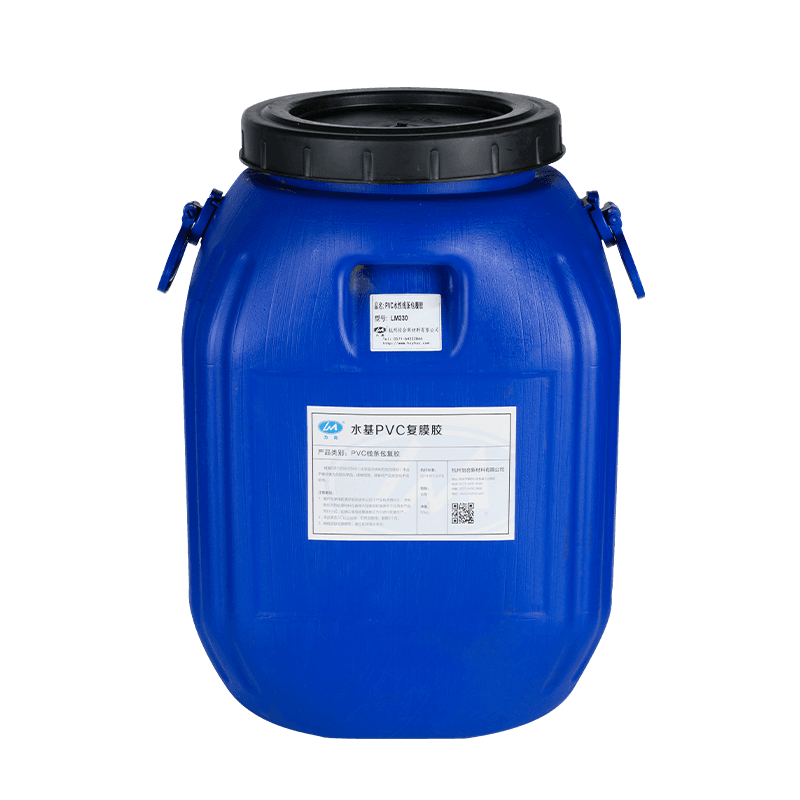
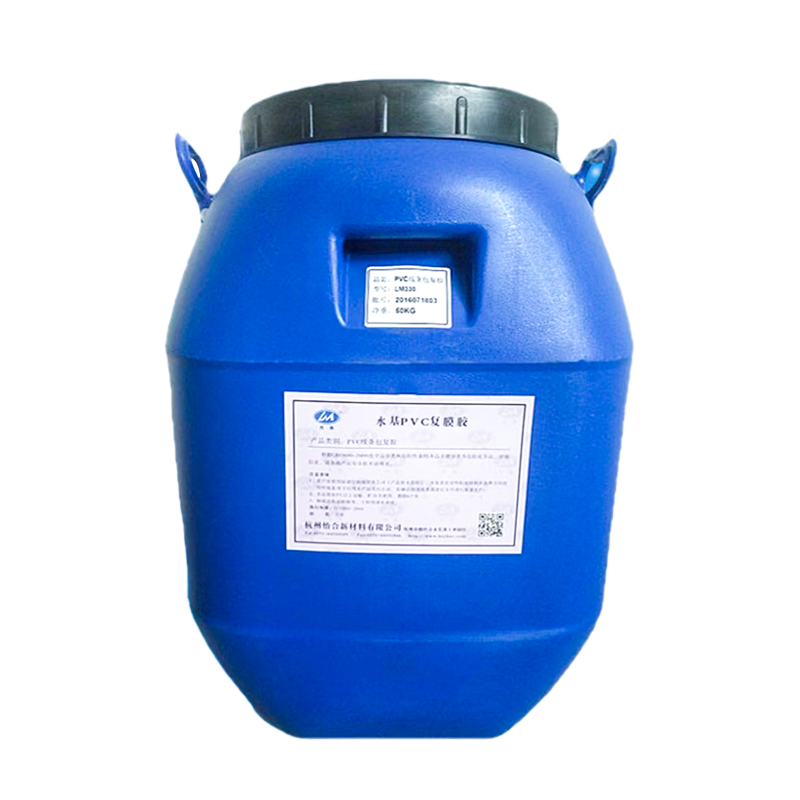
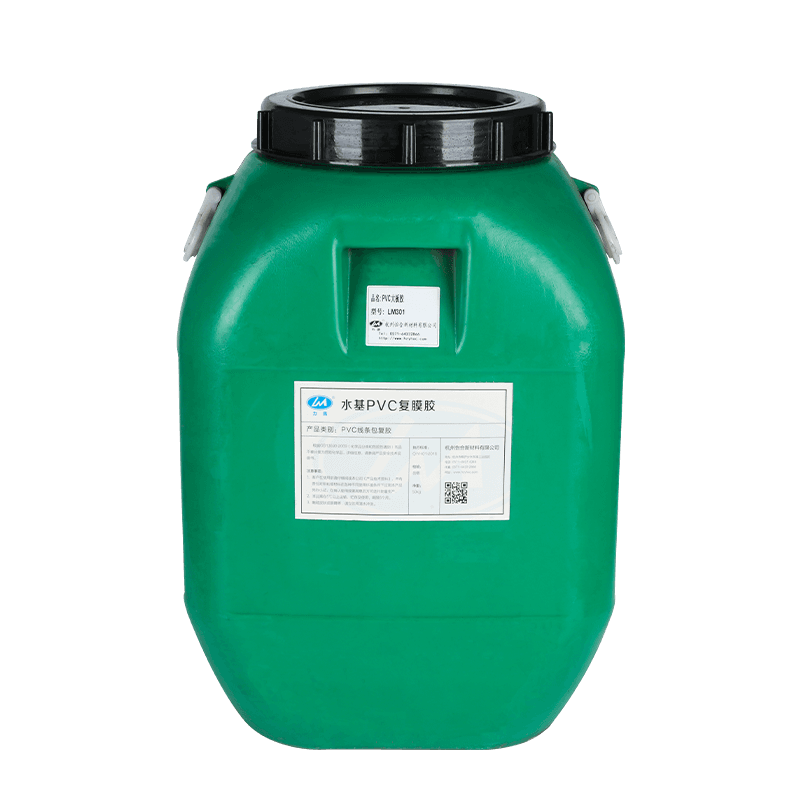
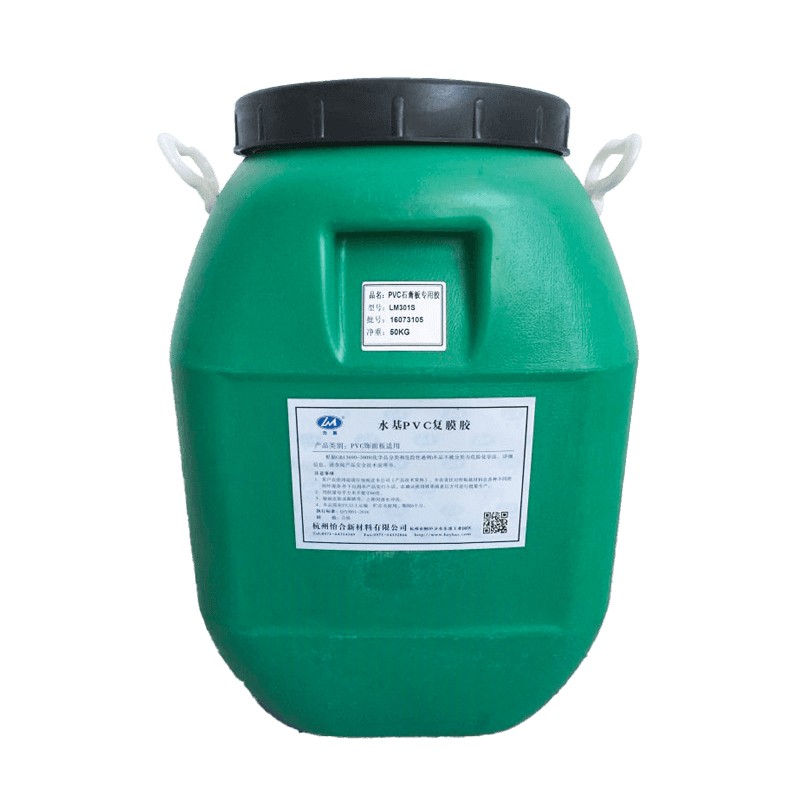
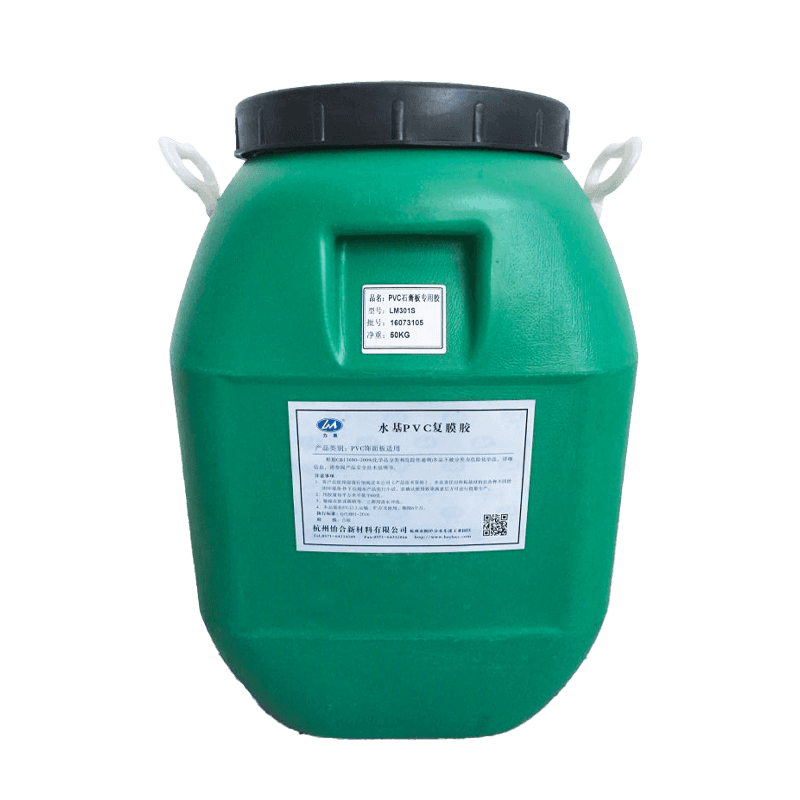


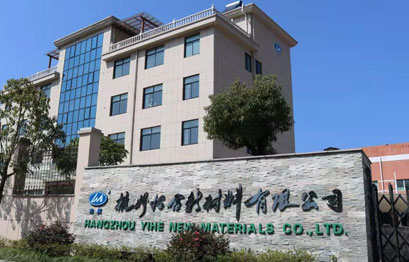


Hangzhou Yihe New Materials Co., Ltd. formulates and produces the Water-Based PVC Lamination Adhesive Series: water-carried dispersion adhesives for bonding PVC film and related decorative surfaces to wood-based panels, wrapped profiles, wall panels and gypsum board. The company began in 1997 as Hangzhou Tonglu Lima Specialty Adhesives Factory beside the Fuchun River in Tonglu, and our water-based PVC vacuum membrane press, profile wrapping and paint-free panel adhesives have run through 29 years of continuous market application. As a Water-Based PVC Lamination Adhesive manufacturer, we build this range around the coating, drying and pressing steps that actually decide bond quality on a furniture, door, panel or building-board line.
The series sits alongside our vacuum thermoforming, woodworking, PUR hot melt and EVA hot melt programmes, so grades can be matched to the process rather than forced into it. Production and inspection run under ISO 9001 and ISO 14001 management systems at our Tonglu, Hangzhou, China site, with on-site laboratory facilities and independent R&D supporting formulation work and application trials.
- Profile wrapping — PVC film onto MDF, particleboard and plywood profiles, including filled and coated film surfaces.
- Flat lamination — PVC, PET, PP, leather and PU paper facings pressed onto MDF and other panel substrates.
- Gypsum board lamination — PVC film onto paper-faced and aluminum-coated board.
- Wall panel wrapping — wider, thinner PVC facings on panel and ceiling profiles.
A Range Organised by Process, Not by Chemistry Alone
The series is grouped by the lamination method the adhesive has to survive. Each group carries its own balance of polymer solids, rheology and activation behaviour, because a wrapping line and a flat press place very different demands on the same water-based chemistry.
Profile Wrapping Adhesive
Our Water-Based PVC Wrapping Adhesive (Profile Wrapping Adhesive) group covers LM330 for general wrapping, LM368 Quick-Dry Wrapping Adhesive for lines where dryer capacity sets the ceiling speed, and LM365 PVC Mud-Coated Profile Wrapping Adhesive for filled film faces that resist ordinary wetting. The working point is the machined edge: adhesive must hold on a cut, open MDF face and on a radius where the film wants to spring back.
MDF Flat Lamination
LM301 PVC Decorative MDF Lamination Adhesive bonds PVC, leather, PU paper and similar facings to MDF, paper and fabric-faced board, while LM3466 PET/PP Decorative Surface Flat Lamination Adhesive addresses lower-energy decorative films. Both are applied by Water-Based PVC Adhesive for MDF Lamination, where press cycle, panel flatness and coat-weight uniformity govern the finished surface.
Gypsum Board Lamination
LM301S PVC Paper-Faced Gypsum Board Adhesive and LM115 Aluminum-Coated Gypsum Board Adhesive are formulated for the Water-Based Adhesive for Gypsum Board PVC Lamination process. Board faces differ sharply: paper-faced stock is porous and dusty, while an aluminum-coated face is non-porous and needs a film that wets and holds without trapping air.
Wall Panel Wrapping
Wall panel and ceiling wrapping uses the same mechanics as profile wrapping on a wider, thinner facing, frequently a foamed or embossed PVC where a low, even coat weight protects the texture. Embossed surfaces tolerate less adhesive strike-through, so drying balance and film tension are set together rather than separately.
Series Range and Application Fit
| Grade | Substrate and facing | Process | Configuration focus |
|---|---|---|---|
| LM330 Wrapping Adhesive | MDF, particleboard and plywood profiles with PVC film | Profile wrapping, flat and radius | Open time against line speed; uptake on machined edges |
| LM368 Quick-Dry Wrapping Adhesive | Wood-based profiles with PVC film | High-speed profile wrapping | Dryer length and temperature profile; reduced residual moisture |
| LM365 PVC Mud-Coated Profile Wrapping Adhesive | Mud-coated (filled) PVC profile surfaces | Profile wrapping | Adhesion to filled film; dust removal before coating |
| LM301 PVC Decorative MDF Lamination Adhesive | MDF, paper and fabric-faced board with PVC, leather or PU paper | Flat lamination press | Coat-weight uniformity; press cycle; panel flatness |
| LM3466 PET/PP Decorative Surface Flat Lamination Adhesive | PET and PP decorative film on panels | Flat lamination | Lower-energy film wetting; temperature and pressure window |
| LM301S PVC Paper-Faced Gypsum Board Adhesive | Paper-faced gypsum board with PVC film | Gypsum board lamination | Board moisture and surface dust; line speed |
| LM115 Aluminum-Coated Gypsum Board Adhesive | Aluminum-coated gypsum board | Lamination to coated board | Wetting a non-porous metallic face; air entrapment |
How the Bond Forms on the Line
Our water-based grades carry polymer solids in water. After coating, the water leaves in the drying tunnel or air path, and what remains is a thermoplastic film that is reactivated by heat and pressure at the nip or in the press. Three variables dominate the result, and they interact.
- Residual moisture. Too wet and the film blisters or foams at the nip; too dry and the polymer no longer flows into the PVC surface.
- Activation energy. Roller temperature, air temperature and dwell have to be matched to the film thickness and to the heat sink represented by the substrate.
- Coat weight. Enough to fill the open face of MDF and the cut edge, not so much that the bond line stays soft or shows through a thin facing.
Because the carrier is water, dryer capacity and line balance matter more than in solvent systems. Where tunnel length is fixed, a quick-dry grade such as LM368 widens the usable speed window; where the press cycle is the constraint, the choice moves toward a grade with a longer open time.
Workpiece and Material Considerations
- Face versus edge. A sanded MDF face and a machined profile edge take up adhesive at very different rates; grades are set so the edge does not starve.
- Plasticiser migration. Highly plasticised PVC film can release plasticiser into the bond line, which shows as haze or loss of adhesion on high-gloss and skin-feel surfaces.
- Film stiffness and radius. Tight radii and thick film need higher reactivation and controlled tension to avoid lifting at the wrap end.
- Surface condition. Sanding dust, mould-release residue and board moisture above the normal shop range all reduce wetting.
- Coated and non-porous faces. Aluminum-coated gypsum board and PET/PP films leave little room for mechanical keying, so the adhesive must wet and hold on chemistry.
Critical Specifications We Confirm per Application
Each grade is supplied against a technical data sheet stating solids content, viscosity and rheology, pH and density, together with the application window. The working values are then fixed on the customer's own substrate and equipment.
- Open time and reactivation temperature range against line speed and dryer profile.
- Recommended wet coat weight for the substrate, facing and edge geometry.
- Peel strength on the actual board and film, measured dry and after conditioning.
- Heat and moisture resistance at the service condition the finished part will see.
- Surface appearance — no haze, strike-through or blistering on gloss and textured films.
Line Integration, Utilities and Operator Safety
We adjust viscosity and rheology to the coater on the line — roller, spray or curtain — because the same bond can be produced at quite different wet film thicknesses. Nip pressure, roller alignment, film tension and substrate temperature are reviewed together with the adhesive, since a change in any one of them shifts the working point.
Water-based residue cleans easily while wet and becomes progressively harder to remove once dried. Cleaning intervals at rollers, pans and recirculation lines are best set before the first production run, and the wet end of the line should be flushed at each stop. Drying tunnels need adequate extraction to carry moisture away; the solvent exposure profile is far lower than solvent-based systems, but normal ventilation, eye protection and the instructions on the safety data sheet still govern handling.
Quality, Acceptance and Compliance Evidence
Hangzhou Yihe holds National High-Tech Enterprise qualification and operates ISO 9001 quality and ISO 14001 environmental management systems; the Lima brand was featured on the CCTV programme Quality in 2018. Our laboratory facilities support raw-material checks, batch testing and application trials, and our service team works alongside customer technicians during line introductions.
Acceptance is normally settled on production parts rather than on a certificate alone: an agreed peel test at defined intervals, conditioned samples for heat and humidity, a visual check for blistering and haze, and a dimensional check on wrapped edges. The test method, sample size, conditioning regime and target values are written into the trial report so that both sides work to the same definition of a good bond.
Information We Use to Configure Your Solution
A proposal is only as precise as the process data behind it. These are the inputs that move a recommendation from a catalogue grade to a working specification.
| Input | Why it matters | What we need |
|---|---|---|
| Substrate and facings | Sets wetting, penetration and coat weight | Board type and density, surface treatment, film type, thickness and plasticiser level |
| Process and equipment | Defines open time, activation and drying load | Coater type, line speed, tunnel length and temperatures, nip pressure, press cycle |
| Part geometry | Governs edge wrap and radius limits | Profile drawing or panel size, radius, groove and cut-out details |
| Service conditions | Sets heat and moisture targets | End use, indoor or sheltered outdoor exposure, cleaning regime, climate |
| Acceptance and logistics | Aligns testing, packaging and storage | Test method and targets, consumption rate, container size, warehouse temperature, order frequency |
Packaging, Documentation and Ongoing Support
Packaging format is agreed with each order so that container size matches consumption rate and storage space, and labels carry the grade, batch and handling information required for the shipment. Storage temperature and shelf life are stated on the technical data sheet; water-based dispersions are protected from freezing and from prolonged high heat in the warehouse.
Formulation adjustments are made where a film, a filled surface or a line constraint falls outside the standard behaviour, and we stay involved after the first shipment with application support, batch consistency checks and review of any change in the customer's materials.
Frequently Asked Questions
Which products in the series suit my process?
Profile wrapping is served by LM330, LM368 for quick-dry requirements and LM365 for filled PVC faces; flat lamination by LM301 for PVC, leather and PU paper and by LM3466 for PET/PP decorative film; gypsum board by LM301S for paper-faced board and LM115 for aluminum-coated board. The final choice depends on the substrate, film and line conditions rather than on the process name alone.
Do water-based adhesives limit line speed?
They shift the constraint from solvent evaporation to water removal, so tunnel capacity and airflow become the limiting factors. Where the dryer is fixed, the quick-dry grade extends the usable speed window; where the press cycle dominates, a longer open time is more useful than a faster-drying film.
How do you handle high-gloss and skin-feel PVC films?
These films show plasticiser migration and adhesive strike-through very clearly. We select the grade and coat weight so the bond line stays below the visible threshold, then confirm appearance on the customer's own film under the intended lighting and after conditioning.
Can the series be used where humidity or outdoor exposure is expected?
Most of our volume goes into interior furniture, doors, wall panels and board lamination. For sheltered outdoor or high-humidity service we test the finished assembly — board, film and edge seal together — because moisture performance is decided by the whole build, not by the adhesive alone.
What documentation accompanies a shipment?
The technical data sheet and safety data sheet are issued for every grade, and batch and shipment documentation is agreed at order stage. Where a customer's quality system requires specific test records or declarations, these are defined during the trial so the paperwork matches the acceptance method already in use.











