

 English
 中文简体
中文简体 русский
 عربى
عربىNews
Professional supplier of environmentally friendly adhesives
 Search
 +86 178 5710 2305

Search
+86 178 5710 2305

Car Upholstery Glue: A Complete Professional Guide
Content
Introduction
Car upholstery glue is one of the most essential yet often overlooked products in automotive interior restoration and maintenance. Whether you're a professional auto detailer, an upholstery technician, or a DIY enthusiast repairing a sagging headliner or a peeling dashboard cover, choosing the right adhesive can mean the difference between a durable, factory-quality finish and a repair that fails within weeks. This article explores everything you need to know about car upholstery glue — its types, applications, selection criteria, application techniques, and maintenance tips.
What Is Car Upholstery Glue?
Car upholstery glue is a specialized adhesive formulated to bond fabric, foam, vinyl, leather, and other interior materials to substrates such as plastic, metal, cardboard backing, or foam padding inside a vehicle. Unlike generic household adhesives, automotive upholstery glue is engineered to withstand the unique conditions found inside a car cabin, including:
- Extreme temperature fluctuations (from sub-zero winters to over 60°C/140°F in a closed summer car)
- UV exposure through windows and sunroofs
- Constant vibration and mechanical stress from driving
- Humidity and moisture from weather, spills, or passenger use
- Flexibility requirements, since seats, door panels, and headliners must move and flex without cracking the adhesive bond
Because of these demanding conditions, ordinary craft glue, super glue, or general-purpose contact cement is rarely suitable for long-term automotive interior repairs.
Common Types of Car Upholstery Glue
1. Spray Adhesives
Spray-on upholstery adhesives are the most popular choice for headliners, door panels, and carpet installation. They allow for even, wide-area coverage and are ideal for bonding large fabric surfaces to foam backing or plastic panels. Most professional-grade spray adhesives offer a tacky, repositionable bond initially, which cures into a permanent hold within 24–48 hours.
Best for: Headliners, carpet, large fabric panels, foam-backed materials
2. Contact Cement (Brush-On or Trowel-On)
Contact cement is applied to both surfaces being joined, allowed to become tacky, and then pressed together to form an immediate, strong bond. This type is favored for vinyl and leather seat repairs, door panel edges, and areas requiring a permanent, high-strength bond without clamping.
Best for: Vinyl, leather, seams, edges, and high-stress bonding points
3. Hot Melt Glue (Upholstery-Grade)
Specialized hot melt adhesives, applied with a glue gun, are used for quick spot repairs, securing trim, or reattaching small sections of fabric or foam. Automotive-grade hot melt sticks are more heat- and flex-resistant than standard craft hot glue.
Best for: Small spot repairs, trim pieces, quick fixes
4. Two-Part Epoxy Adhesives
For rigid bonding — such as attaching plastic trim, clips, or structural interior components — two-part epoxies provide an extremely strong, rigid bond. However, they lack flexibility, so they are unsuitable for fabric or foam applications.
Best for: Rigid plastic trim, clips, brackets
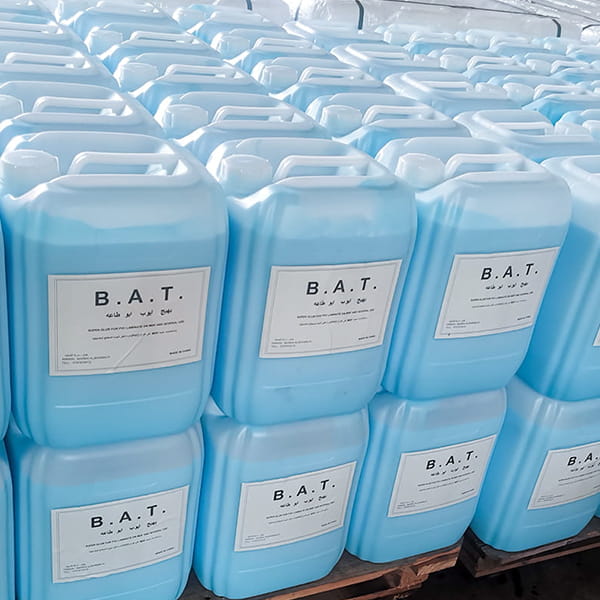
5. Water-Based Fabric Adhesives
Increasingly popular for eco-conscious shops, water-based adhesives offer lower VOC emissions and reduced odor while still providing solid bonding for fabric-to-fabric or fabric-to-foam applications.
Best for: Eco-friendly fabric repairs, enclosed workspaces with ventilation concerns
Key Selection Criteria
When choosing a car upholstery glue, professionals typically evaluate the following factors:
| Factor | Why It Matters |
|---|---|
| Heat resistance | Interior temperatures can exceed 70°C (158°F) in direct sun |
| Flexibility after curing | Prevents cracking on seats and panels that flex daily |
| Drying/curing time | Affects workflow speed and repositioning ability |
| Material compatibility | Not all glues bond well with vinyl, leather, foam, or ABS plastic |
| VOC content and odor | Important for indoor shop use and vehicle interior air quality |
| Water and mildew resistance | Prevents bond failure from moisture or spills |
Professional-grade adhesives, such as 3M Super Trim Adhesive, Permatex Super Weatherstrip Adhesive, or SEM Trim Adhesive, are widely used in the auto restoration industry for their proven heat resistance and flexibility.
Step-by-Step Application Guide
Step 1: Surface Preparation
Clean both bonding surfaces thoroughly using isopropyl alcohol to remove oils, dust, and old adhesive residue. Any contamination will weaken the bond significantly.
Step 2: Test in an Inconspicuous Area
Before full application, test the adhesive on a hidden section of material to ensure it doesn't discolor, melt, or damage the fabric or vinyl.
Step 3: Apply Adhesive Evenly
- For spray adhesives, hold the can 6–8 inches from the surface and apply in smooth, even passes.
- For contact cement, apply a thin, even coat to both surfaces using a brush or notched trowel.
Step 4: Wait for Tack Time
Most contact adhesives require a "tack time" of 3–10 minutes before bonding, allowing the solvent to partially evaporate for maximum bond strength.
Step 5: Press and Bond
Firmly press the two surfaces together, working from the center outward to eliminate air bubbles and wrinkles. Use a seam roller or hard plastic scraper for even pressure.
Step 6: Cure Time
Allow the adhesive to cure fully — typically 24 to 48 hours — before subjecting the area to heavy use, moisture, or extreme temperatures.
Common Mistakes to Avoid
- Using the wrong adhesive type for the material (e.g., using rigid epoxy on flexible foam-backed fabric)
- Skipping surface cleaning, which drastically reduces bond strength
- Applying too much glue, causing seep-through stains on fabric or leather
- Not allowing adequate tack or cure time, resulting in premature bond failure
- Ignoring ventilation, as many adhesives release strong solvent fumes
Maintenance and Longevity Tips
- Keep upholstered surfaces out of prolonged direct sunlight when possible to reduce heat-related adhesive breakdown.
- Use interior UV-protectant products on dashboards and door panels to reduce material degradation near bonded seams.
- Inspect headliners and panel edges periodically for early signs of lifting, and address small issues before they become full detachments.
- Store unused adhesive properly (sealed, cool, dry location) to preserve shelf life and bonding performance.
Conclusion
Car upholstery glue is a specialized but essential product for anyone involved in automotive interior repair or restoration. Selecting the right type — whether spray adhesive, contact cement, hot melt, epoxy, or water-based formula — depends heavily on the specific material and location within the vehicle. By understanding the properties of each adhesive type, following proper surface preparation and application techniques, and avoiding common mistakes, both professionals and DIY enthusiasts can achieve durable, factory-quality upholstery repairs that stand up to years of heat, vibration, and daily wear.
Investing in a high-quality, purpose-built automotive upholstery adhesive — rather than a generic household glue — is ultimately the most cost-effective decision, as it prevents repeat repairs and preserves the long-term value and appearance of a vehicle's interior.
Recommended Products

Our Global
Business Partners
Business Partners











About Us
Products
- Water Based PVC Vacuum Thermoforming Adhesive Series
- Water-Based PVC Lamination Adhesive Series
- Premium Woodworking Adhesive Series
- PUR Hot Melt Adhesive Series
- EVA Hot Melt Adhesive Series
- Automotive Interior Adhesive
- Adhesive For Other Applications
- Environmentally Friendly Adhesives
- Profile Wrapping Adhesives
Contact Us
- Add: Dongxi Industrial Park, Fenshui Town, Tonglu County, Hangzhou, China
- Tel: +86 178 5710 2305
- E-mail: [email protected]
- whatsapp: +852 9215 7996
We'd love to
hear from you!
Copyright © Hangzhou Yihe New Materials Co., Ltd. Rights Reserved.
Eco Friendly Glue Suppliers
