English
 中文简体
中文简体 русский
 عربى
عربىNews
Home / News / Industry News / Eco Friendly Glue: What It Is, Why It Matters, and the Best Options to Use
 Search
 +86 178 5710 2305


Content
Not every product with a green label on the bottle is truly environmentally friendly. When it comes to eco friendly glue, there are a few specific things to look for. A genuinely sustainable adhesive should be made from natural or bio-based ingredients, free from volatile organic compounds (VOCs), non-toxic to humans and animals, and ideally packaged in recyclable or minimal packaging.
Many conventional glues contain formaldehyde, toluene, benzene, or synthetic resins derived from petroleum. These chemicals off-gas during and after application, contributing to indoor air pollution and posing health risks — especially for children, pregnant women, and people with respiratory conditions. Green adhesives are formulated to avoid these compounds without sacrificing holding strength.
Biodegradability is another key factor. An environmentally friendly adhesive should break down naturally over time without leaving harmful residues in soil or waterways. Plant-based glues made from starch, casein (milk protein), or natural rubber tend to meet this criterion far better than their petroleum-based counterparts.
There's a wider variety of natural and non-toxic adhesives available than most people realize. Each type has strengths suited to specific applications, so understanding the differences helps you pick the right one for your project.
Starch-based adhesives have been used for thousands of years — think traditional wheat paste used in bookbinding and wallpapering. Modern versions made from corn, potato, or tapioca starch are water-soluble, completely biodegradable, and safe to handle without gloves. They work best on porous materials like paper, cardboard, and fabric, making them a great eco friendly craft glue option.
Casein glue is derived from milk protein and has historically been used in woodworking and furniture making. It offers a reasonably strong bond on wood and is resistant to heat. While it's not waterproof, it performs well in dry indoor environments. It's a genuinely natural glue with no synthetic additives required in its basic form.
Soy adhesives are made from soy protein isolate and are commonly used in the plywood and composite wood industries as a formaldehyde-free alternative to urea-formaldehyde resins. They provide good water resistance and bond strength for wood products. Some manufacturers have also developed soy-based wood glues for consumer use.
Derived from the sap of rubber trees (Hevea brasiliensis), natural rubber adhesives are biodegradable and renewable. They're used in everything from book binding to envelope sealing. Rubber cement formulations that use water as a carrier instead of petrochemical solvents offer a much greener alternative to traditional rubber cement.
Standard PVA glue is synthetic, but newer bio-based PVA formulations use acetate derived from renewable feedstocks rather than petroleum. These maintain the familiar flexibility and ease-of-use of white school glue while significantly reducing the product's carbon footprint. Look for brands that explicitly state "bio-based" or "plant-derived" on the label.
The market for sustainable adhesives has grown considerably. Below is a comparison of some widely available non-toxic and biodegradable glue options to help guide your purchasing decision.
| Product / Brand | Type | Best For | Certifications / Notes |
| Elmer's School Glue | PVA-based | Paper, crafts, kids' projects | AP certified non-toxic, water-soluble |
| Titebond III Ultimate Wood Glue | Water-based PVA | Wood joinery, furniture | Waterproof, no added formaldehyde |
| Eco-Bond Adhesive Sealant | Water-based polymer | Home repair, multi-surface | Zero VOCs, non-flammable |
| Auro Natural Adhesive | Plant-based resin | Flooring, tiles, wallpaper | Natural ingredients, solvent-free |
| J-B Weld ClearWeld (water formula) | Water-based epoxy | Ceramic, glass, metal repairs | Low VOC formulation available |
Choosing an environmentally friendly adhesive isn't just about picking whatever has the most eco-sounding name. You need to match the adhesive's properties to your specific project requirements. Here are the most important factors to think through:
One of the most genuinely sustainable options is making your own adhesive at home using everyday pantry ingredients. These DIY non-toxic glues are surprisingly effective for light-duty tasks, completely free of synthetic chemicals, and nearly free to make.
Mix 1 part plain flour with 2 parts cold water until smooth, then slowly heat in a saucepan over medium heat while stirring continuously. Cook until the mixture thickens into a translucent paste. Allow it to cool before use. This works excellently for paper mâché, bookbinding, and collage work. Store leftovers in the fridge for up to a week.
Heat 1 cup of skim milk to just below boiling, then slowly add white vinegar (about 4 teaspoons) while stirring. The milk will curdle — strain off the liquid through a cheesecloth, then mix the remaining curds with 1 teaspoon of baking soda and a small amount of water to get a smooth consistency. This creates a decent-strength natural adhesive suitable for wood, paper, and light crafts.
Combine 3 tablespoons of cornstarch with 4 tablespoons of cold water, mix well, then add to 2 cups of boiling water and stir until the mixture turns clear and gel-like. This makes a smooth, non-toxic paste ideal for kids' crafts and paper projects. It dries clear and washes out of clothes easily.
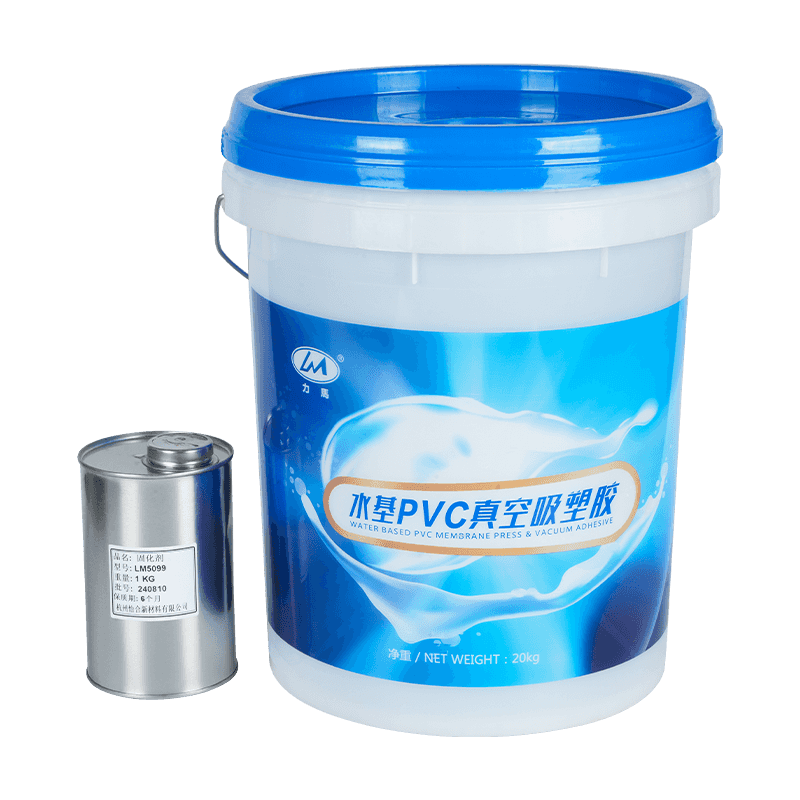
Different contexts call for different sustainable adhesive solutions. Here's a breakdown of the best green glue choices by use case:
For crafting, non-toxic PVA glues with AP certification are the gold standard. Brands like Elmer's Naturals or similar school glues are water-washable, low-odor, and completely safe for children. For more creative work involving fabric or mixed media, look for soy-based craft adhesives that provide a flexible bond once dried.
Woodworking demands stronger, more durable bonds. Water-based PVA wood glues without added formaldehyde are the most widely available eco-conscious option here. Titebond III is a popular choice among professionals who want a strong, waterproof joint without petrochemical solvents. For traditional joinery enthusiasts, hide glue (made from animal collagen) is another natural, reversible option historically used in fine furniture making.
Construction adhesives are typically the hardest category to green-ify, but zero-VOC options do exist. Eco-Bond and similar brands offer water-based construction adhesives suitable for bonding baseboards, tile, trim, and subflooring. These are particularly important in enclosed spaces like bathrooms or bedrooms where off-gassing from traditional construction glues can build up quickly.
For sealing envelopes, boxes, or labeling, starch-based glues and water-activated paper tape (which uses a starch adhesive) are excellent biodegradable options. These are standard in sustainable packaging operations and a simple swap from plastic-based tapes and petroleum-derived glue sticks.
The adhesive market is full of greenwashing — products that claim to be "natural" or "green" without any real backing. Knowing which certifications to look for cuts through the noise and gives you confidence in what you're buying.
Going green with your adhesive choices is a positive step, but there are a few pitfalls that can lead to frustration if you're not prepared for them.
The most common mistake is expecting a natural glue to behave exactly like a chemical-heavy one. Plant-based and water-based adhesives often have longer cure times and may need clamping or pressure during bonding. If you're used to grabbing super glue and having an instant bond, you'll need to adjust your workflow a bit.
Another common error is using eco friendly glue in the wrong environment. Many natural adhesives are not waterproof and will fail if exposed to sustained moisture. Always check the product specs before applying in kitchens, bathrooms, or outdoor settings.
Some people also assume that "non-toxic" means the glue can be applied carelessly. Even non-toxic adhesives should be applied in well-ventilated areas, and skin contact should be avoided where possible — particularly for people with latex allergies when using natural rubber-based adhesives.
Finally, don't overlook surface preparation. Natural adhesives especially benefit from clean, dry, properly prepared surfaces. Dust, grease, or old adhesive residue will reduce bond strength regardless of how good the glue is.
It might seem like a small swap — choosing an eco friendly adhesive over a conventional one — but the impact adds up. The global adhesives market produces millions of tons of product annually, and a large proportion of that is still derived from petrochemicals and includes harmful solvents. Shifting consumer demand toward plant-based glue and non-toxic adhesive options sends clear market signals that push manufacturers to reformulate their products.
On an individual level, making this switch reduces your exposure to harmful VOCs in your home, lowers your household's contribution to chemical waste streams, and supports companies investing in genuinely sustainable chemistry. For those who craft with children or work in enclosed spaces regularly, the health benefits of switching to a non-toxic, low-emission adhesive are particularly meaningful.
The good news is that you no longer need to sacrifice performance for sustainability. Modern biodegradable glue formulations have come a long way, and for the vast majority of everyday bonding tasks — crafts, light woodworking, paper projects, home repairs — a well-chosen eco friendly glue will do the job just as well as the conventional alternative, without any of the environmental or health downsides.









Copyright © Hangzhou Yihe New Materials Co., Ltd. Rights Reserved.
Eco Friendly Glue Suppliers