English
 中文简体
中文简体 русский
 عربى
عربىNews
Home / News / Industry News / PVC Vacuum Forming Adhesive: Types, Application Techniques, and Troubleshooting Guide
 Search
 +86 178 5710 2305


Content
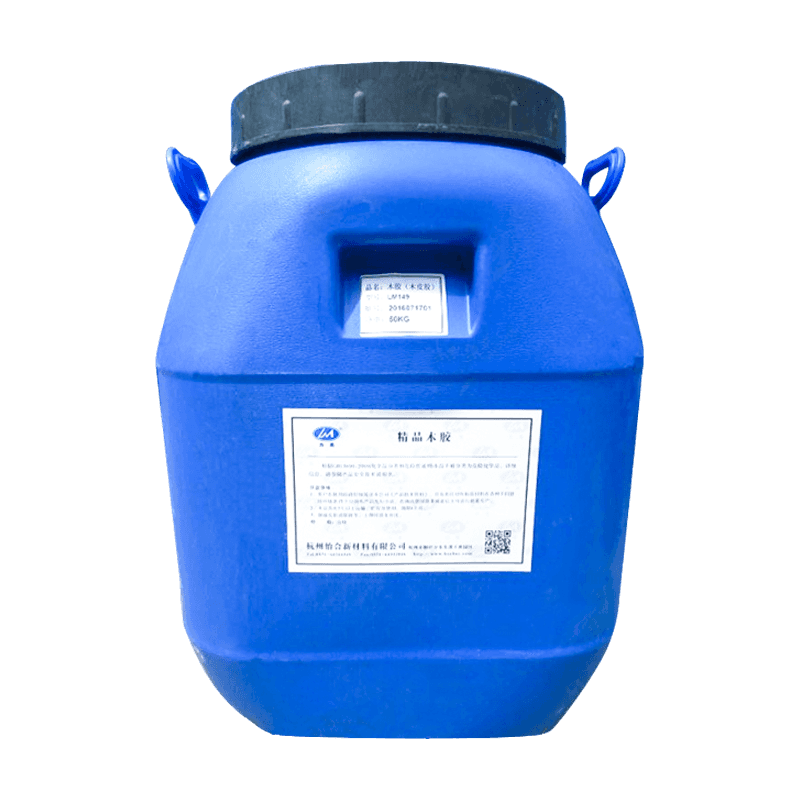
PVC vacuum forming adhesive is a specialized bonding agent formulated to laminate PVC decorative film, foil, or membrane onto substrate panels — typically MDF, particleboard, plywood, or solid wood — during the vacuum press forming process. In this process, a sheet of PVC film is heated until pliable, then drawn tightly over a profiled or flat substrate by vacuum pressure, conforming precisely to every contour, edge, and routed detail on the surface. The adhesive applied to the substrate beforehand is what creates the permanent, durable bond between the PVC layer and the base material once the vacuum cycle is complete and the assembly cools.
This bonding technology is central to the production of furniture components, kitchen cabinet doors, wardrobe panels, interior door skins, retail display fixtures, and architectural moldings. The vacuum membrane pressing process allows manufacturers to achieve smooth, seamless PVC-wrapped surfaces on complex three-dimensional profiles — rounded edges, deep routed grooves, decorative relief patterns — that flat lamination methods cannot replicate. The performance of the entire finished product depends critically on the quality and correct application of the PVC vacuum press adhesive, as the bond must withstand mechanical stress, temperature cycling, humidity exposure, and in some applications, prolonged UV light exposure throughout the product's service life.
Several distinct adhesive chemistries are used in PVC vacuum membrane pressing, each with different activation mechanisms, open times, application requirements, and performance characteristics. Choosing the right adhesive type for your specific process and end-use requirements is the first and most consequential decision in achieving consistent bonding results.
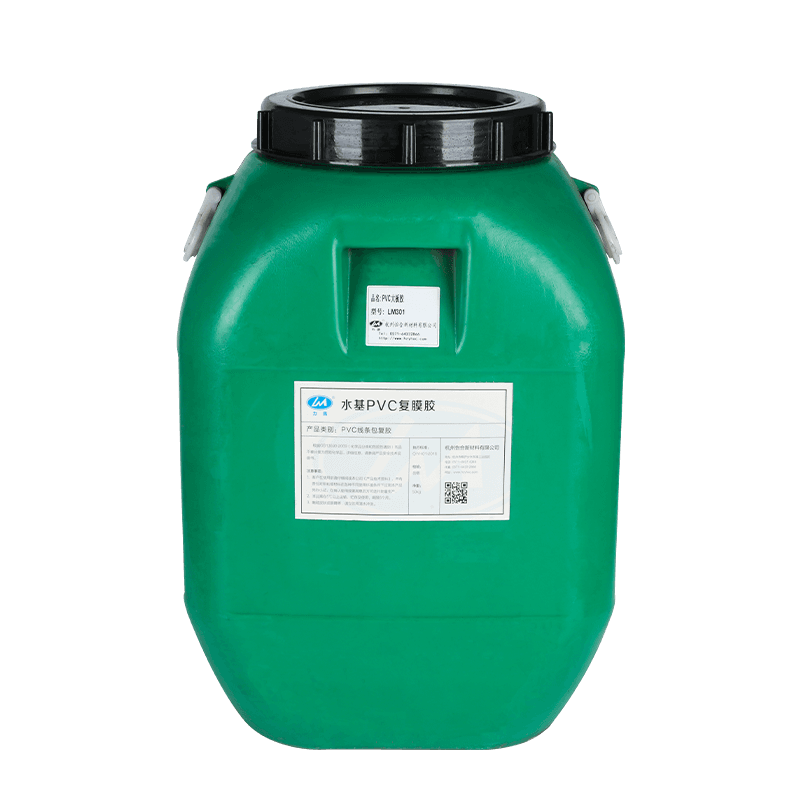
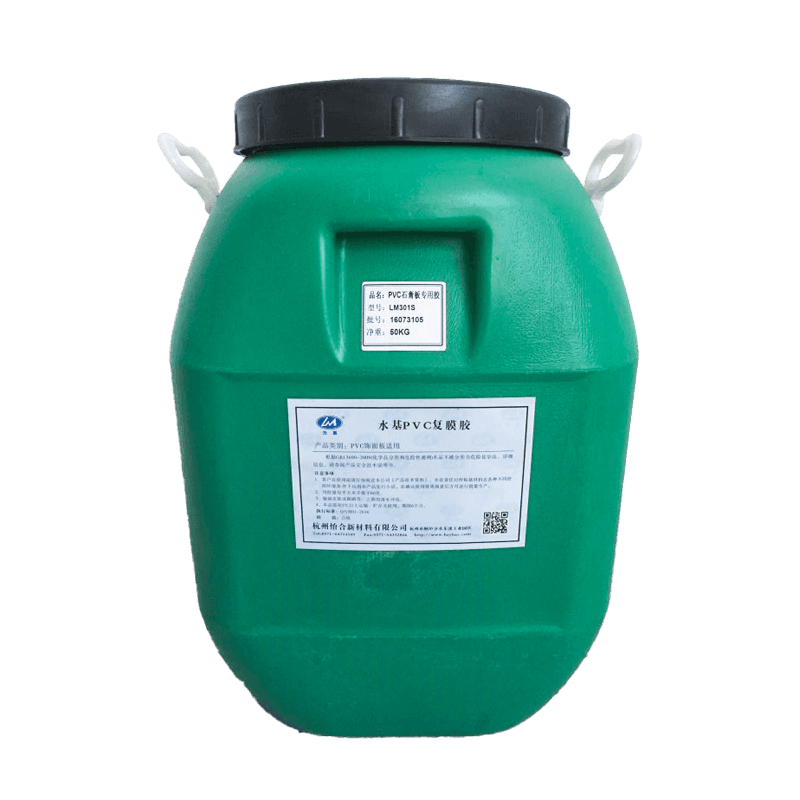
Water-based PVC membrane press adhesives are the most widely used type in furniture and cabinet manufacturing, valued for their low VOC content, ease of handling, and compatibility with automated roller or spray application systems. These adhesives are typically acrylic, polyvinyl acetate (PVAc), or polyurethane-dispersion based, and are applied to the substrate surface in a wet film that must be dried — either by open-air flash-off or forced-air drying — before the vacuum press cycle begins. The dried adhesive film is reactivated by the heat generated during the vacuum pressing process (typically 60–90°C membrane temperature), creating a thermally activated bond when the heated PVC film contacts the adhesive-coated substrate under vacuum pressure.
Water-based vacuum forming adhesives are available in varying viscosities suited to roller coaters, curtain coaters, spray systems, and manual brush application. They are generally compatible with standard MDF and particleboard substrates but may raise grain on raw wood surfaces or cause moisture-related swelling in thin substrates if applied too heavily. Proper application weight — typically 80–150 g/m² wet — and complete drying before pressing are critical to achieving consistent bond strength and preventing bubbling or delamination in the finished part.
Solvent-based PVC vacuum forming adhesives, typically based on polychloroprene (neoprene), polyurethane, or SBS rubber dissolved in organic solvent carriers, offer very high initial tack, fast drying, and excellent bond strength to a wide range of substrates including metals, glass, and challenging plastics in addition to wood-based panels. They are particularly useful for bonding to non-porous or low-energy substrates where water-based adhesives struggle, and for applications requiring immediate handling strength after pressing without extended curing time.
The primary disadvantages of solvent-based vacuum press adhesives are their higher VOC emissions, flammability hazards requiring explosion-proof application equipment and ventilation, higher material cost, and increasingly restrictive regulatory environment in many markets. Their use has declined significantly in large-scale furniture manufacturing as water-based alternatives have improved, but they remain relevant for specialty applications, small-batch custom work, and markets where regulatory pressure is less stringent.
Hot melt adhesives for PVC vacuum forming are solid at room temperature and applied in molten form at elevated temperatures using heated roller systems, slot-die coaters, or spray applicators. They solidify rapidly on the cooler substrate surface, creating a solid adhesive layer that is then reactivated during the vacuum press heating cycle. Reactive hot melt adhesives — particularly polyurethane reactive (PUR) hot melts — are gaining adoption in premium PVC vacuum forming applications because they offer exceptional final bond strength, excellent heat resistance, and outstanding resistance to moisture, solvents, and plasticizer migration from PVC films.
PUR hot melt adhesives cure by reaction with ambient moisture after application, forming a crosslinked polyurea-urethane polymer network that is significantly stronger and more thermally stable than standard thermoplastic hot melts. This crosslinked structure is particularly important for PVC vacuum forming applications where plasticizer migration from the PVC film can soften standard thermoplastic adhesives over time, causing gradual bond weakening and eventual delamination — a common failure mode in low-quality vacuum-formed furniture exposed to warm conditions.
Two-component polyurethane (2K PU) adhesives consist of a polyol resin component and an isocyanate hardener that are mixed immediately before application, initiating a chemical curing reaction that produces a highly crosslinked, rigid-to-flexible bond line with outstanding chemical and thermal resistance. In PVC vacuum forming, 2K PU adhesives are specified for the most demanding applications — such as automotive interior components, exterior architectural panels, and products requiring certification for high-temperature or chemical exposure. They require precise mixing ratio control, have a limited pot life after mixing, and generally demand more sophisticated application equipment than single-component systems, but deliver bond performance that no single-component adhesive can match.
When comparing PVC vacuum forming adhesive products, the following performance properties directly determine whether the adhesive will deliver acceptable results in your specific process and end-use environment. Request technical data sheets and — ideally — application trials before committing to full production adoption.
| Property | Why It Matters | What to Look For |
| Heat Activation Temperature | Must align with your press membrane temperature and PVC film softening point | Typically 55–90°C; match to your press settings |
| Open Time After Drying | Determines how long dried adhesive remains press-ready before losing tack | Longer open time improves workflow flexibility (4–24+ hours for quality products) |
| Initial Bond Strength | Controls how quickly parts can be handled and stacked after pressing | Higher initial strength reduces post-press holding time requirements |
| Final Peel Strength | Determines resistance to delamination under mechanical or thermal stress | >3 N/mm peel (180°) for demanding applications |
| Heat Resistance | Prevents bond softening and PVC lifting in warm environments | Minimum 60°C; 80°C+ for kitchen and automotive applications |
| Plasticizer Migration Resistance | PVC plasticizers migrate into adhesive layer over time, causing bond softening | Crosslinked or PUR adhesives offer best resistance |
| Moisture Resistance | Critical for bathroom, kitchen, and exterior-facing applications | Pass 24h water immersion or humidity aging tests without delamination |
| VOC Content | Regulatory compliance and worker health in production environments | Water-based: <50 g/L VOC; compliant with local regulations |
| Substrate Compatibility | Must bond reliably to your specific substrate type and surface condition | Verify with supplier for MDF, PB, plywood, solid wood, or composites |
The adhesive application process has as much influence on final bond quality as the adhesive chemistry itself. Even a premium PVC vacuum press adhesive will produce poor results if applied incorrectly, to an unprepared substrate, or under inappropriate environmental conditions. The following process guidelines reflect best practices for water-based adhesive systems — the most commonly used type in industrial furniture production.
The substrate surface must be clean, dry, smooth, and free of dust, oil, release agents, wax, or sanding residue before adhesive application. MDF and particleboard panels should have a moisture content between 6–9% — panels that are too dry may absorb adhesive unevenly, while panels above 10% moisture risk raised grain, swelling, and bond failure from moisture-related substrate movement. Routed profiles should have sharp, clean edges with no torn fiber or chipped surfaces, as these create voids under the PVC film that cannot be corrected by vacuum pressure alone. Lightly sand any profile edges with 180–240 grit paper and vacuum or blow off all dust immediately before coating.
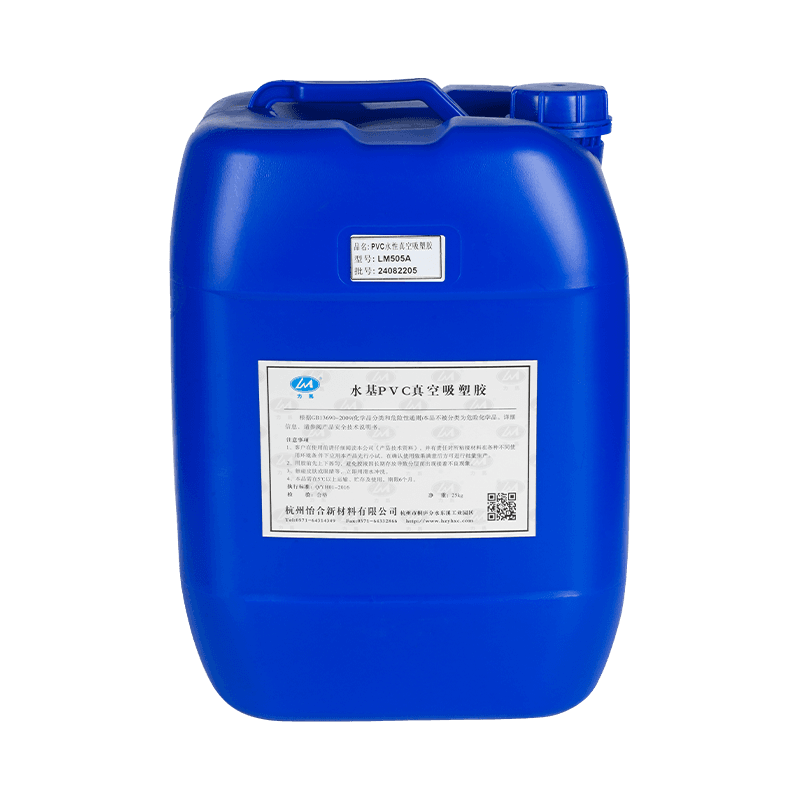
For flat panel production, automated roller coaters or curtain coaters apply adhesive at precise, consistent coverage rates — typically 80–130 g/m² wet film weight for standard MDF substrates. For profiled or routed panels, spray application is necessary to ensure uniform coverage on three-dimensional contours, particularly in deep grooves and on sharp profile edges where roller systems cannot reach. Manual brush application is suitable for small-batch and custom work. In all cases, apply a single, even coat and avoid heavy pooling in recessed areas, as thick adhesive deposits can trap moisture during drying and cause bubbling during pressing.
Complete drying of the water-based adhesive film before pressing is non-negotiable. Residual moisture in the adhesive layer converts to steam during the heated vacuum press cycle, causing bubbles, blisters, and delamination zones that are irreversible. Drying time depends on application weight, ambient temperature, relative humidity, and substrate porosity. At 20°C and 50% RH, most water-based PVC vacuum press adhesives require 15–30 minutes of open air drying on flat panels, and up to 45 minutes for heavily routed or profiled pieces where adhesive accumulates in recesses. Forced-air drying tunnels or infrared drying systems can reduce drying time significantly in production environments. The dried adhesive should feel completely dry to the touch — not tacky or cool to the fingertip — before the panel enters the press.
Membrane temperature, vacuum level, and press dwell time must be calibrated to the specific adhesive, PVC film, and substrate combination being processed. General guidelines for water-based adhesive systems are as follows: membrane temperature 70–90°C; vacuum level 0.08–0.095 MPa (high vacuum); press dwell time 2–5 minutes depending on substrate thickness and profile complexity. The membrane temperature must be sufficient to soften the PVC film to the required drape conformity and to reactivate the dried adhesive layer simultaneously. Insufficient temperature results in poor PVC conformity on profile details and weak bond strength. Excessive temperature can cause PVC discoloration, adhesive degradation, or substrate damage in thin panels.
After the press cycle, panels should be cooled under flat-stacking pressure or in a cooling fixture for at least 10–15 minutes before trimming and stacking in production. Premature handling while the bond is still warm and the PVC film is partially molten risks film displacement, edge lifting, and permanent surface distortion. Allow pressed panels to condition at room temperature for a minimum of 2 hours — and ideally 24 hours for PUR hot melt adhesive systems — before subjecting them to cutting, drilling, edge banding, or packaging operations that impose mechanical stress on the laminated surface.
Even experienced operators encounter defects in vacuum-formed PVC panels. Understanding the root cause of each defect type allows rapid diagnosis and process correction, minimizing waste and rework in production.
The substrate material and PVC film type being bonded significantly influence which adhesive chemistry and grade is most appropriate. The following table summarizes the recommended adhesive approach for the most common substrate and film combinations encountered in furniture and architectural panel manufacturing.
| Substrate | PVC Film Type | Recommended Adhesive Type | Key Consideration |
| Standard MDF | Standard PVC membrane (0.3–0.5mm) | Water-based acrylic or PVAc | Most cost-effective combination for interior furniture |
| Moisture-Resistant MDF | PVC film with moisture barrier | Water-based PU dispersion or PUR hot melt | Required for kitchen and bathroom applications |
| Particleboard | Standard PVC membrane | Water-based acrylic — apply primer coat first | Coarser surface requires primer or higher viscosity adhesive |
| Solid Wood / Plywood | PVC or real wood veneer film | Water-based PVAc or 2K PU for veneer | Wood movement requires flexible adhesive bond line |
| Aluminum Composite Panel | PVC decorative film | Solvent-based PU or 2K PU after surface priming | Low-energy surface requires primer or corona treatment |
| MDF — Deep Profile / Heavy Routing | Highly flexible thin PVC (0.15–0.25mm) | PUR hot melt or high-tack water-based PU | Deep profiles demand high peel strength at edges |
| Foam Board / Lightweight Panel | Standard PVC membrane | Low-solvent water-based acrylic — low application weight | Solvent attack and moisture swelling risk with porous foam |
Proper storage and handling of PVC vacuum forming adhesive ensures that the product performs as specified from the first application to the last. Adhesives that have been stored incorrectly — particularly those exposed to freezing temperatures or contamination — may appear visually normal but deliver significantly reduced bond strength, erratic drying behavior, or incompatibility with the PVC film being bonded.
Switching PVC vacuum press adhesive suppliers — or qualifying a new product from an existing supplier — requires a structured evaluation process to ensure the new adhesive performs equivalently or better than the current product across all critical process and performance dimensions. The following framework guides a thorough qualification.










Copyright © Hangzhou Yihe New Materials Co., Ltd. Rights Reserved.
Eco Friendly Glue Suppliers