English
 中文简体
 русский
 عربى
News
Home / News / Industry News / EVA Hot Melt Glue: A Practical Guide for Woodworking and Furniture Production
 Search
 +86 178 5710 2305


Walk through any furniture plant and you will hear it before you see it: the low hum of a melt tank, a faint resinous smell, the steady rhythm of panels running through an edge bander. In most of those lines, the quiet worker holding everything together is EVA hot melt glue.
Ethylene-vinyl acetate hot melt has been the backbone of woodworking, packaging, and light assembly for decades, and the reason is practical rather than fashionable. It melts quickly, sets in seconds, grips wood and paper well, and lets a line run at full speed without a curing oven or a press cycle measured in hours.
We have been formulating adhesives since 1997, and our EVA series grew out of problems customers carried to us — a wrapped profile that opened at the end, an edge that failed in a hot warehouse, a line that needed a longer open time without losing green strength. What follows is a plain-spoken look at what EVA hot melt glue is, how it behaves, where it fits best, and where another chemistry should take over.
Content
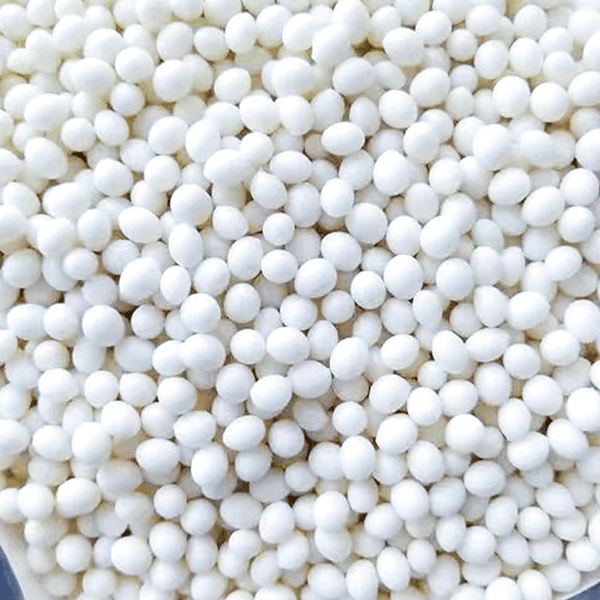
At its core, EVA hot melt glue is built on an ethylene-vinyl acetate copolymer. The vinyl acetate content and the polymer's melt index decide much of the personality of the finished adhesive: more vinyl acetate generally means better wet-out and tack on polar surfaces, while the melt index shapes viscosity and flow in the tank.
The polymer alone would be too brittle and too thin, so a typical formulation adds three more characters to the cast:
Some grades also carry fillers to tune flow, opacity, and cost. Because the product is 100% solids — no water, no solvent — there is nothing to evaporate and no drying tunnel to pay for. The bond forms purely by cooling. This also means the adhesive stays thermoplastic and can be re-melted, which makes handling and tank maintenance straightforward, but caps how much sustained heat a finished joint will tolerate.
Understanding the melt behaviour explains almost every bonding problem people bring to us. The glue leaves the tank as a hot liquid, wets the substrate, and then must cool below its setting point while the two surfaces are still pressed together. Every setting on the machine serves that short window.
Temperature controls viscosity, and viscosity controls wet-out. Run too cold and the bead sits on the surface instead of gripping it; run too hot and you invite charring, smoke, and degraded polymer. Coat weight is the next lever — a thin, even film usually outperforms a heavy bead, because thick glue layers shrink more as they cool and pull at the joint.
Open time is the interval between application and the moment the surfaces meet; set time is how quickly the bond develops enough strength to survive the next machine. On a fast edge bander you want seconds. On a long wrapped profile you may need a grade that stays workable for thirty seconds or more without turning slippery. Substrate temperature quietly wreaks havoc in winter: cold panels pull heat out of the bead instantly, so pre-warming or a grade with a longer open time often solves a "bad glue" complaint that has nothing to do with the glue.
Furniture manufacturing is home turf. Edge banding on MDF, particleboard, and plywood is the classic application: PVC, ABS, melamine, and veneer strips bonded at high line speeds with minimal cleanup and no clamping time to speak of. For wooden doors and general furniture panels, a universal grade covers most daily work.
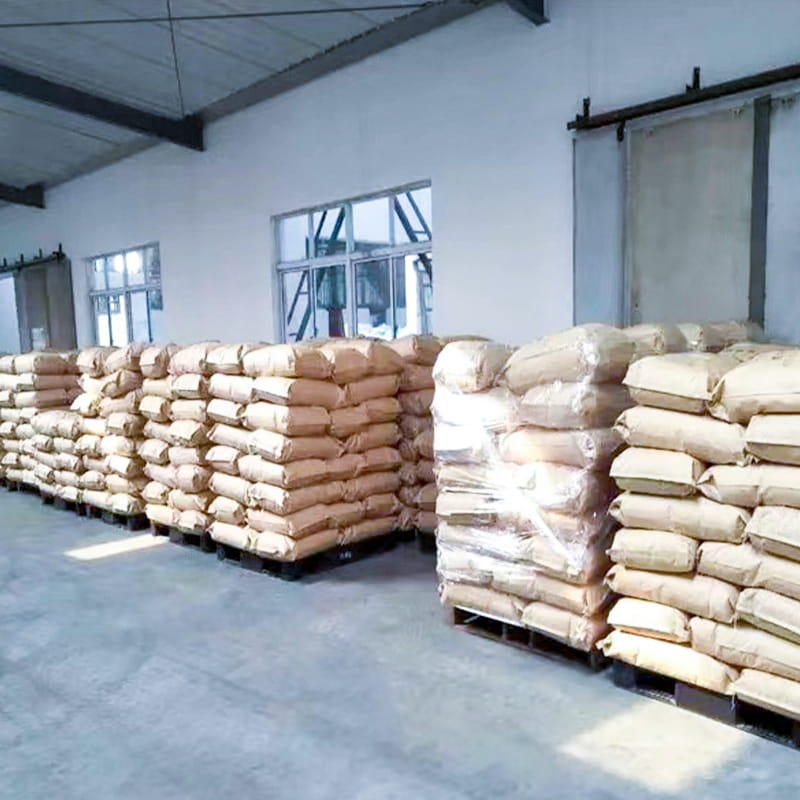 LM8701 Universal EVA Hot Melt Edgebanding AdhesiveFor high-speed edge banding on MDF, particleboard, plywood, and doors, with long open time and broad PVC, ABS, veneer compatibility.View Product →
Profile wrapping and veneer lamination are the other stronghold. When a decorative veneer or CPL foil has to follow a shaped MDF or aluminium profile without lifting at the curve or telegraphing through, the adhesive needs enough tack to hold on contact and enough flexibility to move with the wrap as it cools.
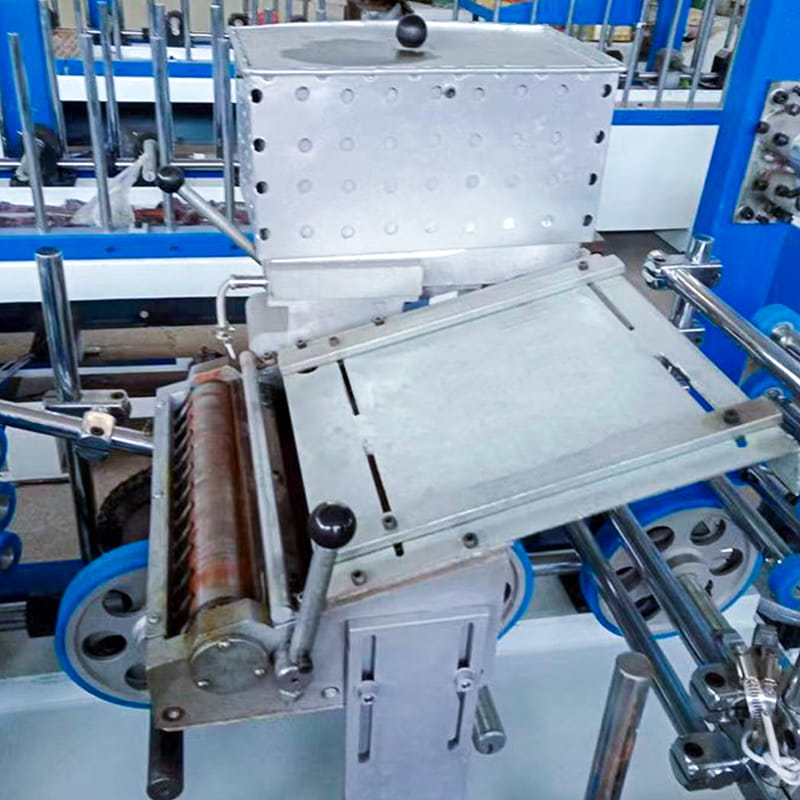 LM8705 EVA Hot Melt Adhesive for Veneer and CPL WrappingYellow-bead adhesive for wrapping veneer and CPL onto MDF, particleboard, and solid wood, offering high strength with low odor and smoke.View Product →
Beyond furniture, EVA hot melt appears in carton and case sealing, whiteboard production, and countless lighter assembly tasks where a fast, repeatable bond matters more than extreme heat resistance. It is popular for honest reasons: modest cost per kilogram, simple equipment, and forgiving start-up behaviour compared with reactive systems.
Sooner or later every production engineer asks whether to move up to PUR. The honest answer depends on what the finished part has to survive. EVA is a thermoplastic that softens again when it gets hot; PUR is a moisture-curing polyurethane that crosslinks after application and will not re-melt. If your product sits in a hot car, a humid bathroom, or an outdoor setting, that difference matters. If it sells as furniture in a climate-controlled market, EVA often delivers the same result at a better cost per part. If you want to compare chemistries in more depth, our overview of PUR hot melt adhesive covers the reactive side of the family.
| Property | EVA hot melt | PUR hot melt |
|---|---|---|
| Bonding mechanism | Solidifies on cooling; re-meltable | Cools, then crosslinks with moisture |
| Heat resistance | Moderate; softens under sustained heat | High once fully cured |
| Moisture resistance | Limited | Good |
| Open time | Seconds; grade dependent | Longer working window, hours to cure |
| Line speed | Very high | High, with moisture and purging control |
| Cleanup | Easy while warm | Cured residue is difficult to remove |
| Relative cost | Lower | Higher |
| Typical use | Edge banding, wrapping, sealing, assembly | Flat lamination and moisture-exposed joints |
Nine out of ten bonding complaints we investigate trace back to the process rather than the formula. Run through this list before changing products:
Filled versus unfilled grades sit on the same checklist. Fillers trim cost and control flow, but they can dull clarity and reduce wet-out on demanding faces; unfilled grades give cleaner bond lines and better penetration when the substrate is fussy.
Only with caution. Sustained heat, direct sun, and repeated moisture cycling are weak points for any thermoplastic hot melt. For exterior or damp service, a reactive system is the safer specification.
Usually it is a cooling race: the bead has already set before the pressure roller reaches the trailing end, or the panel is too cold for proper wet-out. A grade with a longer open time, a warmer shop floor, or a small increase in coat weight often settles it.
Mostly for appearance and for light-coloured board edges, though the base formulation behind a clear or white grade may also differ in viscosity and open time. Choose on performance first, colour second.
EVA hot melt glue is not glamorous, and it does not need to be. It is the dependable, fast-setting, easy-to-live-with adhesive that keeps furniture lines moving, and when it is matched to the substrate, the machine, and the climate of your factory, it is remarkably hard to beat on value. If you are weighing grades, troubleshooting a stubborn joint, or simply curious which of our EVA products suits your process, we are always happy to talk through the details — you can reach our technical team here.











Copyright © Hangzhou Yihe New Materials Co., Ltd. Rights Reserved.
Eco Friendly Glue Suppliers