English
 中文简体
中文简体 русский
 عربى
عربىNews
Home / News / Industry News / EVA Wrapping Hot Melt Adhesive: A Simple Guide to Choosing and Using It Right
 Search
 +86 178 5710 2305


Content
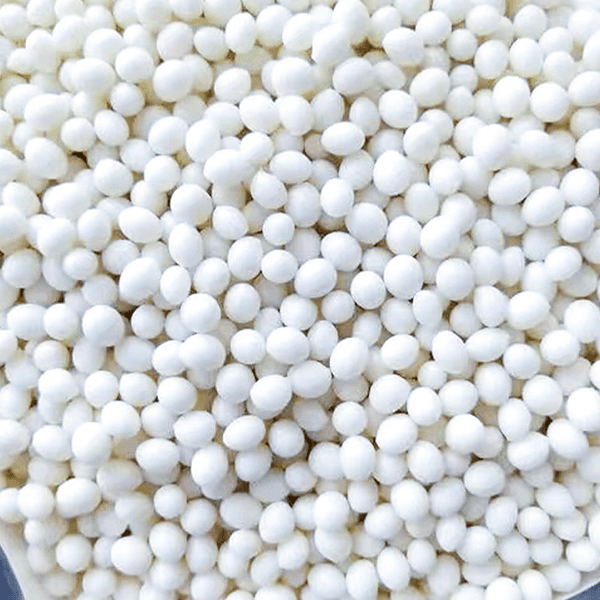
EVA Wrapping Hot Melt Adhesive is a thermoplastic adhesive made primarily from ethylene-vinyl acetate (EVA) copolymer resin, combined with tackifiers, waxes, and antioxidants. It is solid at room temperature, melted into a liquid form during application, and then cools back into a solid bond within seconds. This fast-setting behavior makes it one of the most popular adhesive choices for wrapping operations across furniture, packaging, profile, and woodworking industries.
Unlike water-based or solvent-based adhesives, EVA Wrapping Hot Melt Adhesive contains no water or solvent that needs to evaporate. That means there's no drying time to wait around for, no off-gassing of volatile compounds, and a much faster overall production cycle on the wrapping line.
In a typical profile wrapping or membrane wrapping process, solid adhesive granules or blocks are loaded into a melting tank, heated to a temperature usually between 150°C and 180°C, and then applied to the substrate surface using rollers or spray nozzles. A film, foil, or PVC membrane is then pressed onto the adhesive-coated surface while it is still hot, allowing the two materials to bond as the adhesive cools.
Open time refers to how long the adhesive stays workable after application before it starts to set. If the open time is too short, the wrapping film may not bond properly before the adhesive hardens, leading to bubbles or loose edges. If it's too long, the production line slows down because parts have to wait longer before moving to the next station. A well-formulated EVA Wrapping Hot Melt Adhesive balances these two factors based on the specific machine speed and substrate type being used.
When evaluating any EVA Wrapping Hot Melt Adhesive, a handful of measurable properties tell you whether it will perform well in your specific application. These properties are usually listed on a technical data sheet provided by the manufacturer.
| Property | What It Affects | Typical Range |
| Softening Point | Heat resistance of the final bond | 80°C - 100°C |
| Melt Viscosity | How easily it spreads on the substrate | 2,000 - 6,000 mPa·s |
| Open Time | Working window before setting begins | 3 - 10 seconds |
| Adhesion Strength | Bond durability under stress | Varies by substrate |
Softening point is especially important if the finished product will be exposed to heat, such as furniture placed near windows or kitchen cabinetry installed near appliances. An adhesive with too low a softening point can fail and cause the wrapping film to peel away over time.
While the name suggests a single use case, this adhesive category actually supports a wide range of manufacturing processes where a film or foil needs to be permanently bonded to a rigid substrate.
Furniture makers use this adhesive to wrap MDF panels, particleboard, and solid wood profiles with decorative PVC or melamine films, giving budget materials the appearance of higher-end finishes without the added cost of natural veneer.
Door skin and window profile manufacturers apply EVA Wrapping Hot Melt Adhesive to bond foil or film coverings onto aluminum and PVC profiles, improving both the aesthetic finish and the surface's resistance to scratching and moisture.
Skirting boards, baseboards, and certain flooring trim pieces are commonly wrapped using this same adhesive technology, allowing manufacturers to produce wood-look or stone-look finishes at a fraction of the cost of natural materials.

Choosing the wrong adhesive grade can lead to bubbling, poor edge bonding, or premature film peeling, all of which result in wasted material and rework. Before ordering in bulk, it's worth running through a short checklist with your supplier.
A reliable supplier should be able to provide sample batches for trial runs before committing to a large order, which helps confirm compatibility with your specific machinery and materials.
Even a high-quality EVA Wrapping Hot Melt Adhesive can underperform if the application process isn't dialed in correctly. These practical habits help reduce defects and improve consistency on the production floor.
Taking these steps seriously helps manufacturers get the most out of their adhesive investment, reducing material waste and producing a more consistent, professional-looking finished product.








Copyright © Hangzhou Yihe New Materials Co., Ltd. Rights Reserved.
Eco Friendly Glue Suppliers