English
 中文简体
中文简体 русский
 عربى
عربىNews
Home / News / Industry News / Car Interior Glue: How to Pick the Right One and Fix Your Trim Like a Pro
 Search
 +86 178 5710 2305


Content
Car interior glue sounds like a simple product category, but anyone who has tried to fix a sagging headliner, reattach a peeling door panel trim, or re-bond a loose carpet edge knows that choosing the wrong adhesive can make a bad situation significantly worse. The interior of a car is an exceptionally demanding environment for any adhesive. Temperatures inside a parked car in direct sunlight can exceed 80°C (176°F) in summer, while the same car sitting overnight in winter may drop well below freezing. Add to that constant vibration from the road, flexing of panels during door opening and closing, exposure to UV light through windows, and the need to bond a wide variety of materials — fabric, vinyl, leather, foam, plastic, carpet, rubber, and metal — and it becomes clear why there is no single glue that works perfectly for every car interior repair.
Using the wrong car interior adhesive leads to a predictable set of failures: bonds that hold initially but release when the cabin heats up, glue that soaks through thin fabric and stains the visible surface, adhesives that off-gas strong fumes permanently trapped in the enclosed cabin, or bonds that are so rigid they crack when the substrate flexes. Understanding which type of automotive interior glue is formulated for which application is the single most important factor in getting a repair that actually lasts.
This guide covers every major category of car interior glue, explains what each type is specifically engineered to do, and walks through the practical application steps that determine whether a repair holds for years or fails within weeks. Whether you're a DIY enthusiast tackling a weekend repair project or a detailer looking to add interior restoration to your service menu, this information will help you choose with confidence and apply with precision.
The automotive adhesive market offers several chemically distinct glue types, each engineered with specific performance characteristics suited to particular interior repair applications. Here is a detailed breakdown of the main categories you will encounter:
Spray contact adhesive — sometimes called spray trim adhesive or aerosol upholstery glue — is the most widely used type of car interior glue for large surface area bonding. It works on the contact bond principle: both surfaces are coated with adhesive, allowed to become tacky, and then pressed together to form an immediate, strong bond. Spray contact adhesives are specifically formulated for automotive interior applications where neoprene or chloroprene-based chemistry provides heat resistance up to 90–100°C, flexibility to accommodate panel flex, and compatibility with foam, fabric, headliner board, vinyl, and carpet backing. The spray delivery format provides even coverage across large areas without the heavy, uneven application that brush-on contact cements tend to produce, which is critical for avoiding adhesive bleed-through on thin headliner fabrics. Products like 3M Super 77, Permatex Body Shop Heavy Duty Headliner Adhesive, and Loctite General Performance Spray Adhesive are typical examples in this category.
Brush-on contact cement is the traditional choice for heavy-duty automotive upholstery work — rebonding vinyl seat covers, leather panels, door card fabric, and thick carpet sections where the extra adhesive thickness provides additional gap-filling and bond strength compared to spray formats. Like spray contact adhesive, it requires application to both surfaces, an open time (typically 5–15 minutes) until the adhesive becomes dry to the touch but still tacky, and then firm pressure application. Neoprene-based contact cements offer the best heat and chemical resistance for automotive use. One critical caution: many traditional brush-on contact cements contain high concentrations of solvents that produce powerful fumes — using them in a confined car interior without adequate ventilation creates a genuine health and fire hazard. Always work with doors and windows fully open, or perform the bonding outside the vehicle.
Headliner adhesive is a subcategory of spray contact adhesive specifically formulated for the unique demands of headliner repair and replacement. The headliner is arguably the most failure-prone interior bonded component because it is both the hottest surface in the cabin (directly below the metal roof panel) and the most visible — sagging or stained headliners are immediately obvious. Quality headliner glue must maintain bond strength at sustained temperatures above 80°C, must not soak through the typically thin and porous headliner fabric, and must bond reliably to the headliner backing board (usually a fiberglass or compressed fiber composite) as well as to the fabric. Products specifically labeled as headliner adhesive typically use a higher-temperature-rated polymer base than general-purpose spray adhesives, and many include a heat-activated element that actually improves bond strength when the cabin warms up — the opposite of conventional adhesives that weaken with heat.
Many car interior components — A, B, and C pillar trims, dashboard panels, door pocket liners, center console components — are made from polypropylene (PP) or ABS plastic. These materials are notoriously difficult to bond because their low surface energy causes most standard adhesives to simply peel off rather than chemically bond. Automotive plastic and trim adhesives address this through one of two approaches: either a specially formulated primer-plus-adhesive system that chemically etches the plastic surface before bonding, or a flexible polyurethane or rubber-toughened formula that bonds to plastic through mechanical adhesion and flexibility rather than chemical reaction. SEM Products Plastic Adhesive, 3M Plastic Emblem and Trim Adhesive, and Würth Plastic Adhesive are well-regarded products in this category. For PP plastic specifically, a dedicated PP primer applied before the adhesive is almost always required for a lasting bond.
Polyurethane adhesive sealants — such as Sikaflex 221, 3M 5200, and Bostik Simson ISR 70-03 — combine adhesive and sealing functions in a single product. They cure to a tough, flexible rubber that bonds to a very wide range of substrates including glass, metal, plastic, rubber, and fabric, making them useful for complex multi-material interior joints and for situations where some movement between bonded surfaces is expected. Polyurethane adhesive sealants have excellent chemical and water resistance, good temperature performance, and are permanent — they are not designed to be reversible. They are particularly useful for bonding rubber seals, attaching rear-view mirror mounts, and securing trim components that experience significant vibration. The trade-off is working time: most polyurethane adhesive sealants have a skin-over time of 30–60 minutes and full cure of 24–72 hours, requiring the joint to be held in position during curing.
Hot melt glue — applied with a glue gun — is commonly used in factory automotive assembly for attaching lightweight interior trim clips, fabric edges, and insulation panels. It sets almost instantly as it cools, which makes it fast and convenient. However, standard hot melt glue has a significant weakness in automotive interior applications: it softens and releases at relatively low temperatures (typically 60–70°C), which is well within the range of temperatures reached in a car interior on a hot day. Standard hot melt is therefore not a reliable choice for permanent car interior repairs, particularly in sun-exposed areas. High-temperature or industrial hot melt formulations rated to 120°C or above are available and perform significantly better, but require a commercial hot melt applicator rather than a consumer glue gun.
Cyanoacrylate adhesive — commonly known as super glue or CA glue — bonds almost instantly to most surfaces through moisture-activated polymerization, producing an extremely hard, rigid bond. In car interior applications, super glue is appropriate only for small, rigid, non-flexible repair tasks: reattaching a broken plastic clip, securing a trim badge, or bonding a cracked hard plastic component where the joint will not flex in service. It is completely unsuitable for fabric, foam, carpet, or any flexible material because its rigid cured state causes it to crack and release the moment the substrate flexes. Rubberized or flexible cyanoacrylate formulations — such as Loctite Flexible Super Glue — partially address this limitation and can be used on softer materials, but they are still not the best choice for large area bonding in thermal cycling environments.
Use this table to quickly identify the right adhesive type for the most common car interior repair scenarios:
| Repair Job | Best Adhesive Type | Key Requirement |
| Sagging headliner | Headliner spray adhesive | High temp resistance, no bleed-through |
| Door panel fabric / vinyl | Spray or brush-on contact adhesive | Flexible bond, heat resistant |
| Carpet re-bonding | Heavy-duty contact cement | Strong bond to carpet backing and floor pan |
| Plastic trim panel | Plastic trim adhesive + PP primer | Adhesion to low-energy plastic surface |
| Seat foam to cover | Spray contact adhesive (foam-safe) | Must not dissolve foam substrate |
| Rubber seal / weatherstrip | Polyurethane sealant or rubber adhesive | Flexible, weather-resistant bond |
| Broken plastic clip / badge | Cyanoacrylate (super glue) | Rigid joint, no flex in service |
| Dashboard padding / foam | Spray contact adhesive | High temp, no staining of visible surface |
| Rear-view mirror mount | Dedicated mirror adhesive kit | Extreme heat resistance on glass surface |
| Sound deadening mat | Self-adhesive (most mats) or contact cement | Permanent bond to metal floor pan |
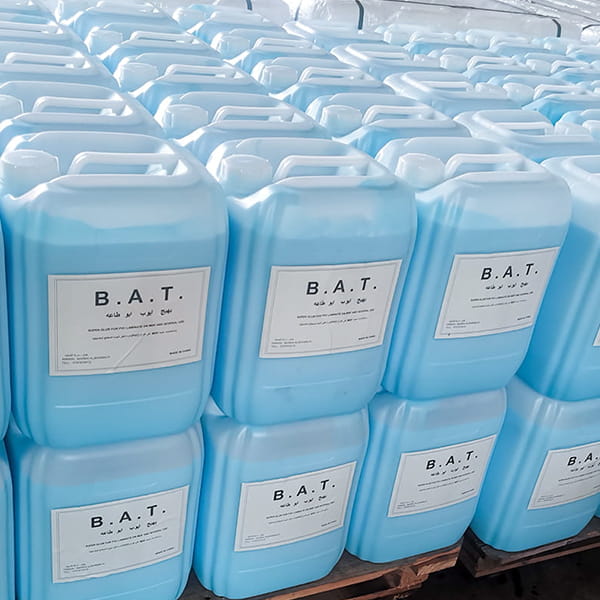
Surface preparation is consistently the most neglected step in DIY car interior adhesive repairs, and it is the single biggest reason why bonds fail prematurely. Even the most expensive, professionally formulated automotive adhesive cannot compensate for a dirty, greasy, or poorly prepared bonding surface. Here is what proper preparation involves for the most common substrate types:
Before applying any new car interior glue, every trace of the old adhesive must be removed from both bonding surfaces. Failed or aged adhesive is contaminated with dust, oils, and oxidized polymer that prevents fresh adhesive from forming a clean chemical bond. Mechanical removal — scraping with a plastic scraper, rolling with your fingers (contact cement peels off cleanly when rolled), or light abrasion with a fine Scotch-Brite pad — removes the bulk of old adhesive. Residual adhesive film is then cleaned with an appropriate solvent: isopropyl alcohol (IPA) for most applications, acetone for stubborn residue on non-plastic surfaces, or dedicated adhesive remover products like 3M Adhesive Remover. Allow the solvent to fully evaporate — typically 5–10 minutes — before proceeding.
After removing old adhesive, both bonding surfaces must be thoroughly cleaned and degreased. Body oils from handling, silicone from interior dressings, mold release agents on new plastic components, and general dust and contamination all dramatically reduce adhesive bond strength. Wipe both surfaces with a clean microfiber cloth dampened with isopropyl alcohol (70–99% concentration) and allow to dry completely. Do not use water-based cleaners immediately before gluing — residual moisture prevents contact cement and many other adhesive types from bonding properly.
Certain car interior materials require priming before adhesive application to achieve reliable adhesion. Polypropylene (PP) plastic — used in many modern interior trim panels, bumpers, and door claddings — has a surface energy so low that most adhesives physically cannot wet out and bond to it without a chemical primer. PP primers work by depositing a chemically reactive layer on the plastic surface that bridges between the low-energy plastic and the adhesive. Apply the primer thinly and evenly with a brush or the applicator tip, allow it to flash off for 60–90 seconds, and then apply the adhesive immediately while the primer is still active. Similarly, some vinyl and leather surfaces benefit from a vinyl prep or adhesion promoter before contact cement application, especially if they have been treated with conditioners or UV protectants.
Knowing which glue to use is only half the battle — proper application technique is what determines whether the bond holds. Here are detailed application steps for the two most common car interior glue repair jobs:
Even with the right product, several application mistakes consistently cause car interior adhesive repairs to fail prematurely. Avoiding these errors is just as important as choosing the correct glue:
The market for car interior glue ranges from professional-grade products used by automotive OEMs and body shops to budget alternatives that frequently fail within months. Here is what to look for when evaluating products:











Copyright © Hangzhou Yihe New Materials Co., Ltd. Rights Reserved.
Eco Friendly Glue Suppliers