English
 中文简体
中文简体 русский
 عربى
عربىNews
Home / News / Industry News / PVA or Polyurethane: Which Wood Panel Joint Adhesive is Right for Your Project?
 Search
 +86 178 5710 2305


Content
Selecting the right wood panel joint adhesive requires a deep dive into the chemical properties that dictate bond strength. Most high-performance adhesives for wood paneling are formulated from Polyvinyl Acetate (PVA), polyurethane, or urea-formaldehyde resins. PVA is the standard for interior applications due to its ease of use and high creep resistance, which prevents the panels from shifting over time. However, for panels exposed to fluctuating humidity or exterior elements, polyurethane adhesives are superior because they cure through a chemical reaction with moisture in the wood, creating a waterproof, rigid bond that can bridge small gaps in the joint.
When working with dense hardwoods or resinous softwoods, the adhesive's ability to penetrate the wood fibers is critical. A high-solids content ensures that the glue doesn't simply soak into the grain, leaving a "starved joint." Instead, the adhesive should form a continuous film that anchors into the cellular structure of both mating surfaces, effectively turning two separate panels into a single, unified architectural element.
Different paneling projects demand specific adhesive characteristics. The following table compares the most common wood panel joint adhesives used in modern construction and cabinetry to help you determine the best fit for your specific environment.
| Adhesive Type | Best Use Case | Open Time | Water Resistance |
| PVA (Yellow Glue) | General Interior Paneling | 5-10 Minutes | Low to Medium |
| Polyurethane | Exterior/High Moisture | 20-30 Minutes | High (Waterproof) |
| Epoxy Resin | Gap Filling/Structural | 30-60 Minutes | Maximum |
The longevity of a wood panel joint is often decided before the adhesive is even applied. Surfaces must be perfectly square and free of "burns" caused by dull saw blades, as charred wood fibers prevent the adhesive from bonding deeply. For large-scale wall panels, a slight scuffing of the joint edge with 80-grit sandpaper can increase the surface area for the adhesive, provided that the dust is thoroughly removed using compressed air or a tack cloth. Any oils, waxes, or moisture content above 12% can act as a barrier, leading to premature joint failure.
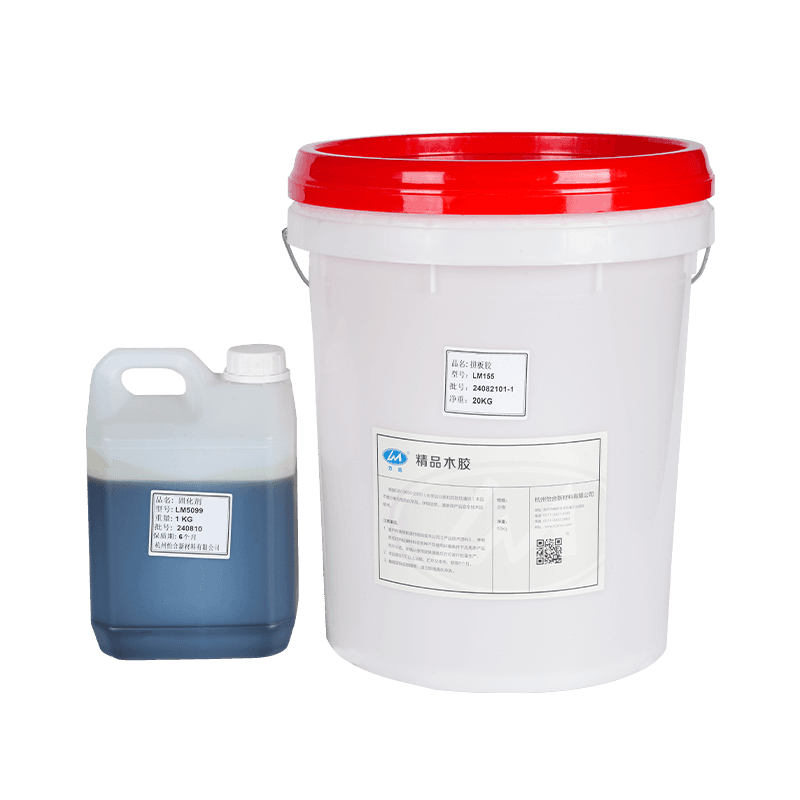
Applying the correct amount of adhesive is a delicate balance. Too little results in a weak bond, while too much causes excessive "squeeze-out" that can ruin the wood's finish. A uniform bead applied to the center of the joint, followed by even clamping pressure, ensures the adhesive spreads across the entire interface. Pressure should be sufficient to bring the panels into intimate contact—roughly 100 to 150 psi for softwoods and up to 250 psi for hardwoods—but not so high that it starves the joint of its bonding agent.
To ensure that wood panel joints remain tight for decades, professionals must account for environmental variables and mechanical stresses. Failing to consider these factors can lead to unsightly gaps or structural cracking as the building settles or the seasons change.
By focusing on these technical nuances—from the initial chemical selection to the precision of the edge prep—you can achieve wood panel joints that are not only aesthetically seamless but also structurally superior to the wood itself.











Copyright © Hangzhou Yihe New Materials Co., Ltd. Rights Reserved.
Eco Friendly Glue Suppliers