English
 中文简体
中文简体 русский
 عربى
عربىNews
Home / News / Industry News / The Ultimate Guide to High-Performance PVC Lamination Adhesives: Achieving Flawless Bond Strength and Durability
 Search
 +86 178 5710 2305


Content
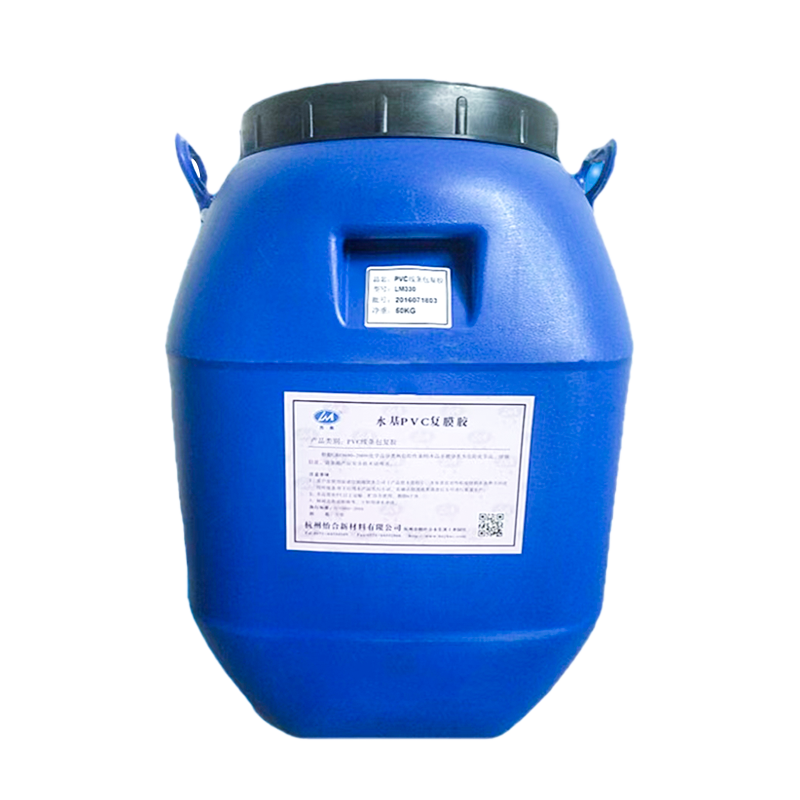
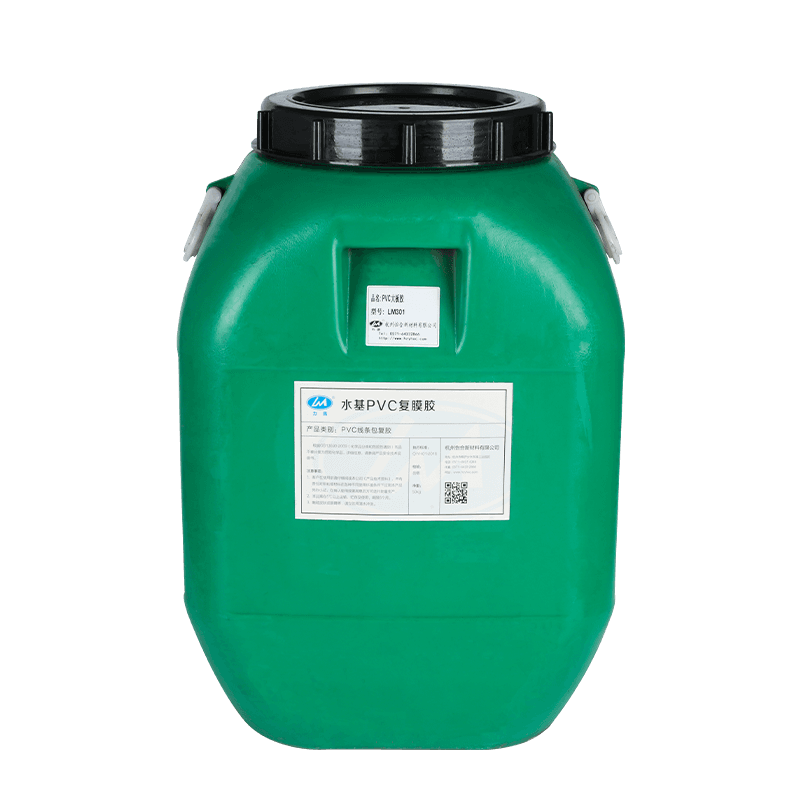
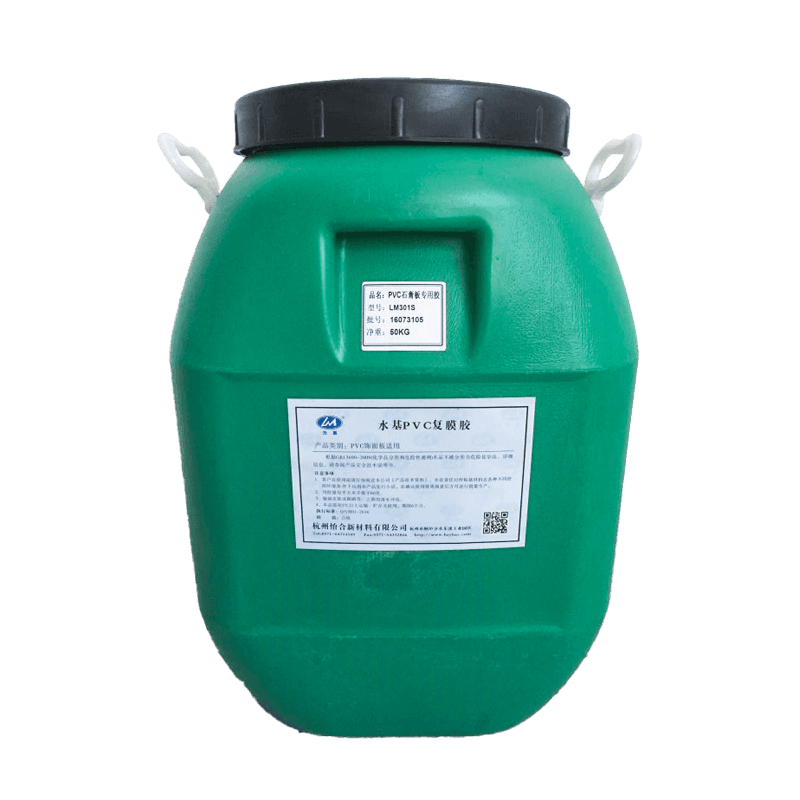
PVC lamination adhesive is a specialized bonding agent designed to adhere Polyvinyl Chloride (PVC) films to various substrates, such as MDF, particleboard, or metal. The core chemistry typically involves water-based polyurethane dispersions (PUD) or solvent-based systems. These adhesives are engineered to tackle the low surface energy of PVC, ensuring that the film does not delaminate when exposed to environmental stressors. High-quality formulations often include cross-linking agents that react during the curing process to create a thermoset bond, providing superior resistance to heat and moisture compared to standard contact cements.
The performance of the adhesive is largely dictated by its solids content and viscosity. A higher solids content allows for better gap-filling properties on porous substrates like wood, while a finely tuned viscosity ensures even spreadability during machine or manual application. Modern PVC adhesives are also formulated to be "low VOC," meeting stringent environmental standards without compromising the initial tack or the final peel strength required for industrial furniture manufacturing.
When selecting a PVC lamination adhesive, it is essential to evaluate technical parameters that align with your production environment. The following table outlines the critical metrics used to assess adhesive quality:
| Parameter | Typical Value Range | Impact on Application |
| Viscosity | 1500 - 3500 mPa.s | Determines ease of spray or roller coating |
| Heat Resistance | 60°C - 120°C | Prevents peeling in high-temperature climates |
| Open Time | 5 - 20 Minutes | Window for positioning the PVC film |
| pH Value | 6.0 - 9.0 | Ensures compatibility with sensitive substrates |
Achieving a "mirror-like" finish in PVC lamination starts with substrate preparation. Any dust, oil, or moisture on the MDF surface can cause telegraphing, where imperfections show through the thin PVC film. Professionals use fine-grit sanding and high-pressure air cleaning to ensure the surface is pristine before the adhesive is applied. The adhesive must be applied evenly; localized pooling or "dry spots" are the leading causes of localized delamination and bubbling.
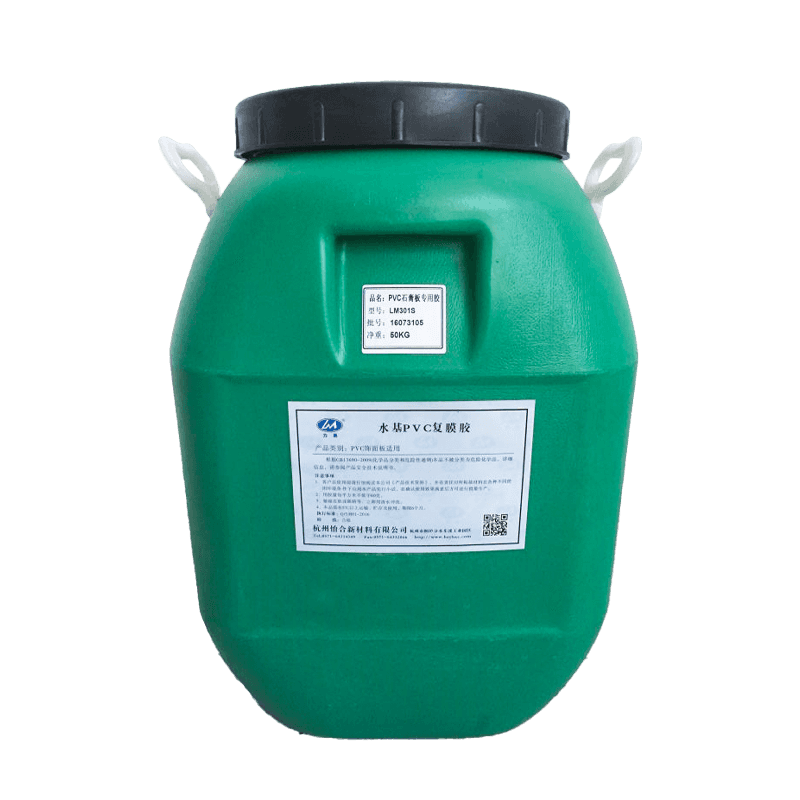
For vacuum pressing, a two-component adhesive is often preferred. The adhesive is typically sprayed using a nozzle size of 1.5mm to 2.0mm. It is crucial to allow the adhesive to dry until it is no longer tacky to the touch but remains "activatable" by heat. During the vacuum process, the heat activates the adhesive polymers, allowing them to flow into the fibers of the substrate and the pores of the PVC, creating a permanent chemical and mechanical bond.
To prevent common failures such as edge curling or orange peel texture, manufacturers should adhere to strict quality control protocols. Temperature control is perhaps the most critical factor; the adhesive line must reach its specific activation temperature (usually around 60-70°C at the glue line) to ensure full cross-linking.
Bubbling often occurs due to trapped air or incomplete evaporation of water/solvents before the lamination process begins. If the PVC is applied while the adhesive is still wet, the evaporating moisture becomes trapped, creating unsightly blisters. To solve this, ensure adequate flash-off time. Delamination at the edges, on the other hand, is usually a sign of insufficient adhesive coverage or low pressure at the profiles. Increasing the spray density on the edges of the workpiece—where tension is highest—can effectively mitigate this issue.










Copyright © Hangzhou Yihe New Materials Co., Ltd. Rights Reserved.
Eco Friendly Glue Suppliers