English
 中文简体
中文简体 русский
 عربى
عربىNews
Home / News / Industry News / A Master’s Guide to Selecting the Right Woodworking Adhesive for Every Joint
 Search
 +86 178 5710 2305

Content
Choosing the right woodworking adhesive starts with understanding the chemical makeup of your options. Polyvinyl Acetate (PVA) is the industry standard, known for its ease of use and strong bond on porous surfaces. However, not all PVAs are equal; they are categorized by their water resistance. Type I adhesives are waterproof and suitable for outdoor furniture, while Type II is water-resistant, ideal for kitchen items that might face occasional moisture. For projects involving oily exotic woods or high-stress structural joints, specialty adhesives like polyurethanes or epoxies are often required because they cure via chemical reaction rather than simple evaporation.
| Adhesive Type | Open Time | Best For |
| PVA (Yellow Glue) | 10-15 Minutes | General Joinery |
| Polyurethane | 20-30 Minutes | Dissimilar Materials |
| Hide Glue | Variable | Restoration & Repair |
| Epoxy | 30+ Minutes | Gap Filling |
The strength of a wood joint is often more dependent on the application technique than the glue itself. Proper surface preparation is mandatory; surfaces should be clean, flat, and freshly milled for maximum fiber contact. If a surface is glazed from a dull planer blade, the adhesive cannot penetrate the wood cells effectively. Additionally, moisture content plays a vital role. Most woodworking adhesives perform best when the wood's moisture content is between 6% and 10%. If the wood is too dry, it may wick the moisture out of the glue too quickly, resulting in a "starved" joint that is brittle and prone to failure.
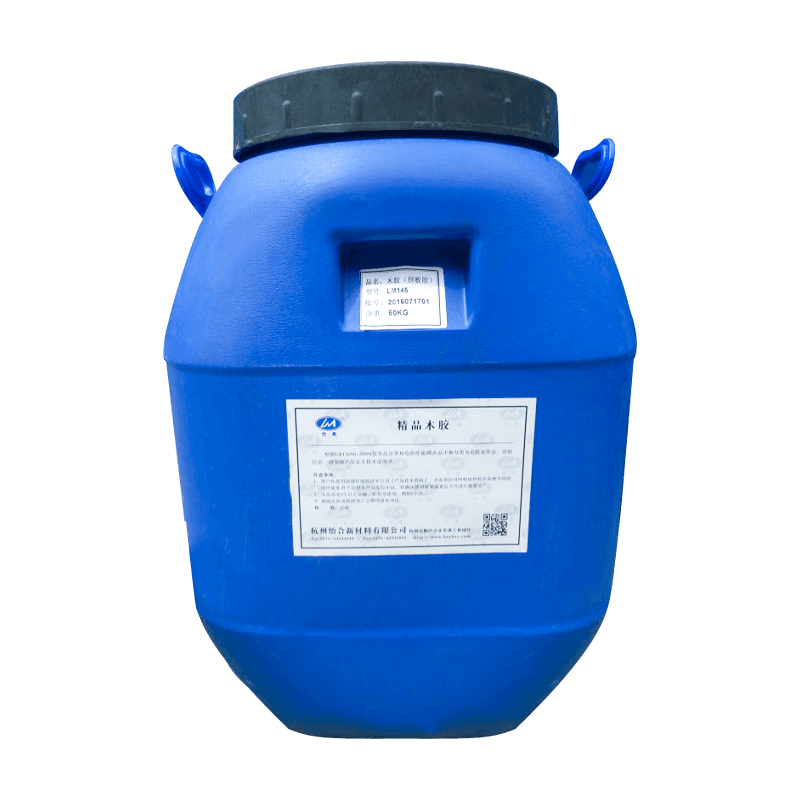
In professional cabinetry and high-end furniture making, traditional yellow glue isn't always the best solution. Cyanoacrylate (CA) glue, often paired with an activator, is used for rapid bonding of small trim pieces or filling hairline cracks. For curved lamination, urea-formaldehyde adhesives are preferred because they dry very hard and do not suffer from "creep"—the tendency of a glue line to shift slightly under tension over time. Furthermore, for historical restoration, liquid hide glue is indispensable because it is reversible with heat and moisture, allowing future craftsmen to disassemble and repair the piece without damaging the wood.
When working with oily woods like Teak or Ipe, the natural resins can interfere with the bonding process of standard PVA. In these instances, wiping the joint with acetone immediately before applying a polyurethane or epoxy adhesive ensures that the oils are stripped away long enough for the adhesive to create a permanent mechanical bond. Understanding these nuances allows a woodworker to move beyond basic assembly and create heirloom-quality pieces that withstand the test of time and environmental changes.








Copyright © Hangzhou Yihe New Materials Co., Ltd. Rights Reserved.
Eco Friendly Glue Suppliers