English
 中文简体
中文简体 русский
 عربى
عربىNews
Home / News / Industry News / The Quiet Revolution in Furniture: Exploring Water-Based PVC Adhesives
 Search
 +86 178 5710 2305

Content
In the modern world of interior design and furniture manufacturing, two materials are cornerstones of accessible and durable pieces: Medium-Density Fiberboard (MDF) and Polyvinyl Chloride (PVC).
MDF is an engineered wood product made by breaking down hardwood or softwood residuals into wood fibers, combining them with wax and a resin binder, and forming panels by applying high temperature and pressure. Its smooth surface and uniform density make it an excellent substrate for furniture.
PVC is a robust and versatile plastic polymer. When used in furniture, it often takes the form of thin, decorative films that are laminated onto the surface of MDF. These PVC films provide a decorative finish, mimicking wood grain or offering solid colors, while also supplying a crucial layer of protection against moisture, scratches, and everyday wear and tear.
The process of joining the PVC film to the MDF substrate is called lamination, and the success of the final product hinges entirely on the quality and performance of the adhesive used. Historically, solvent-based adhesives were the go-to choice. While effective, they contained Volatile Organic Compounds (VOCs), which contributed to air pollution and posed health risks to factory workers and, potentially, consumers through off-gassing.
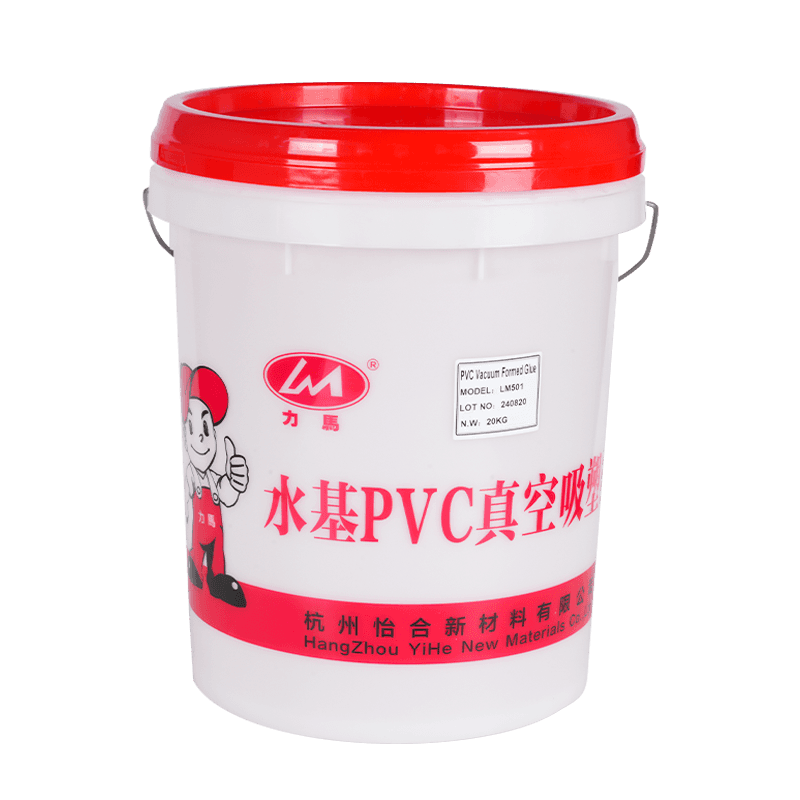
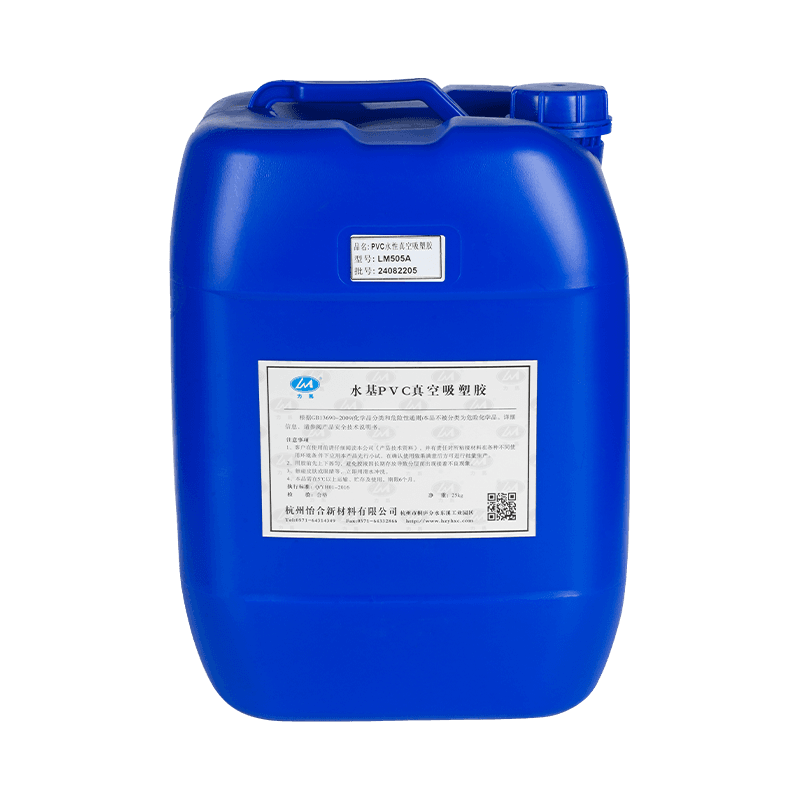
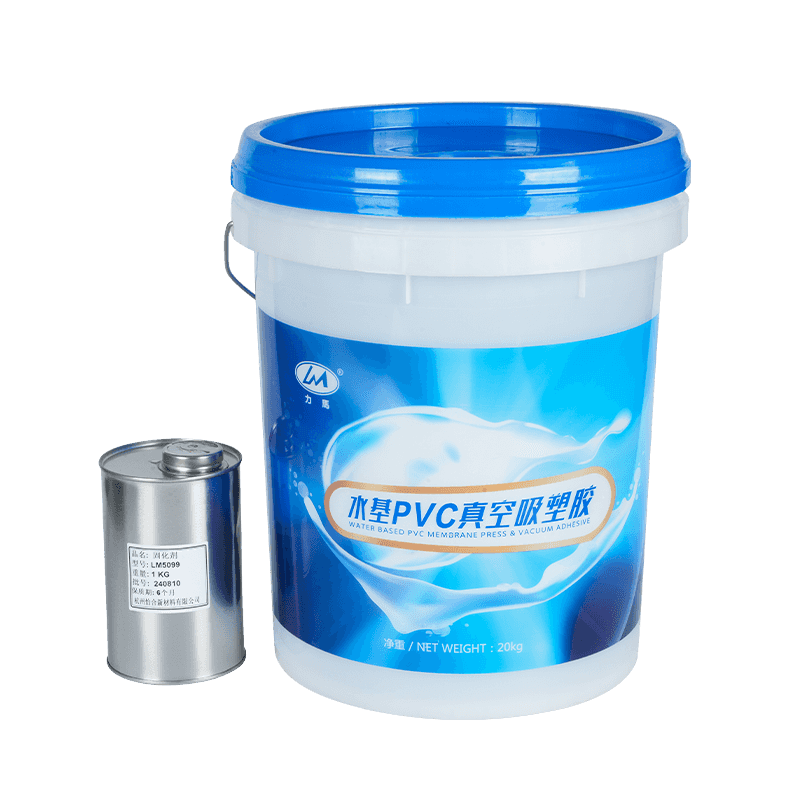
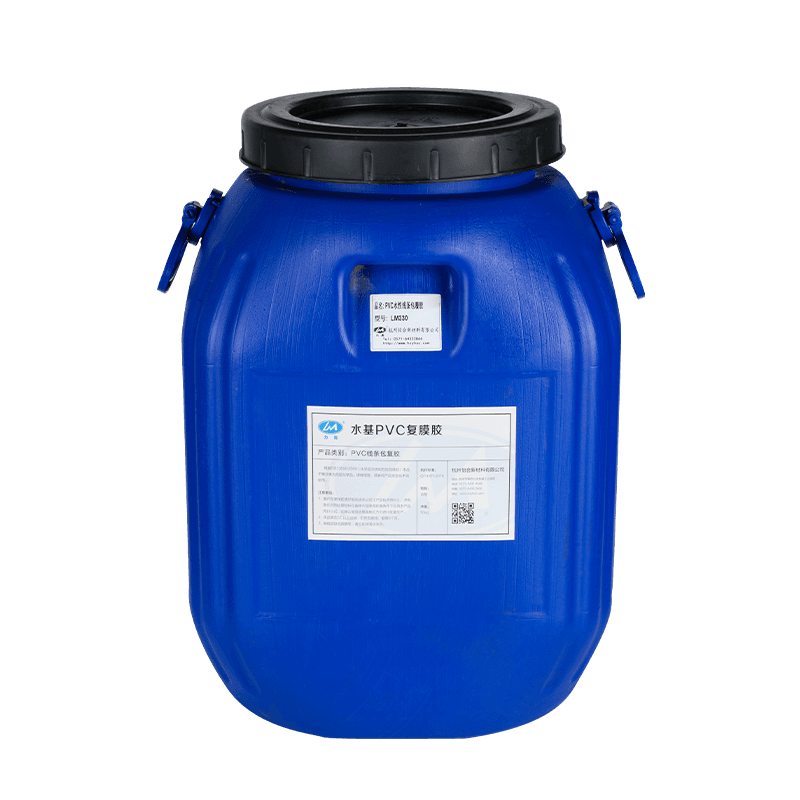
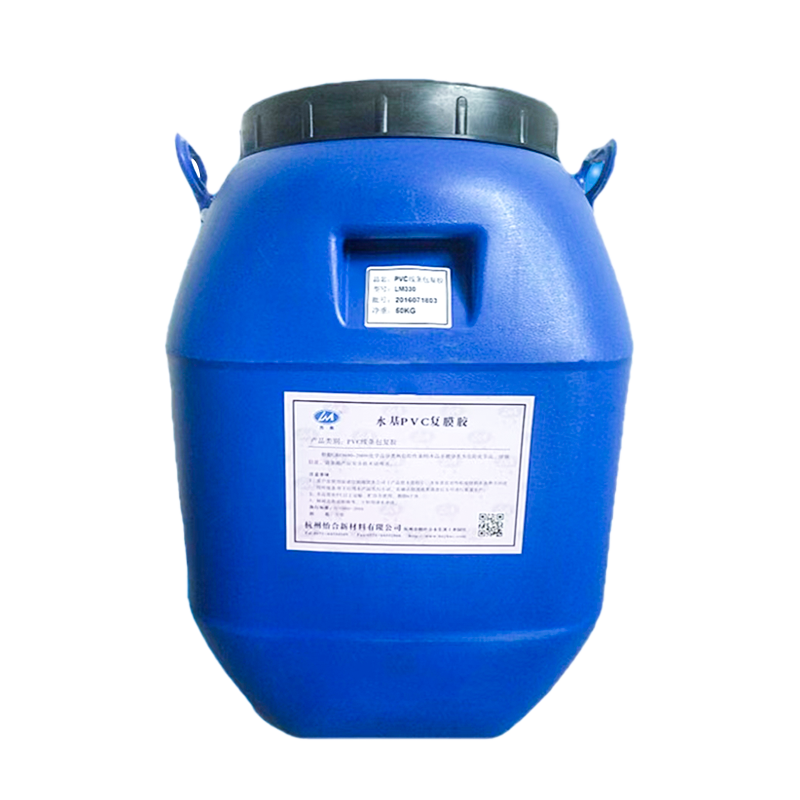
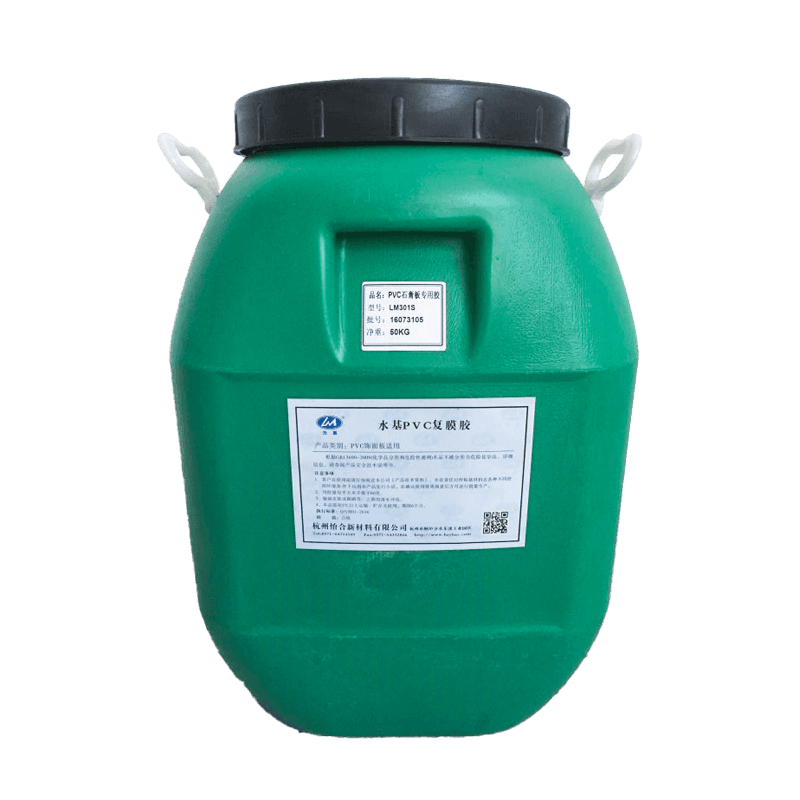
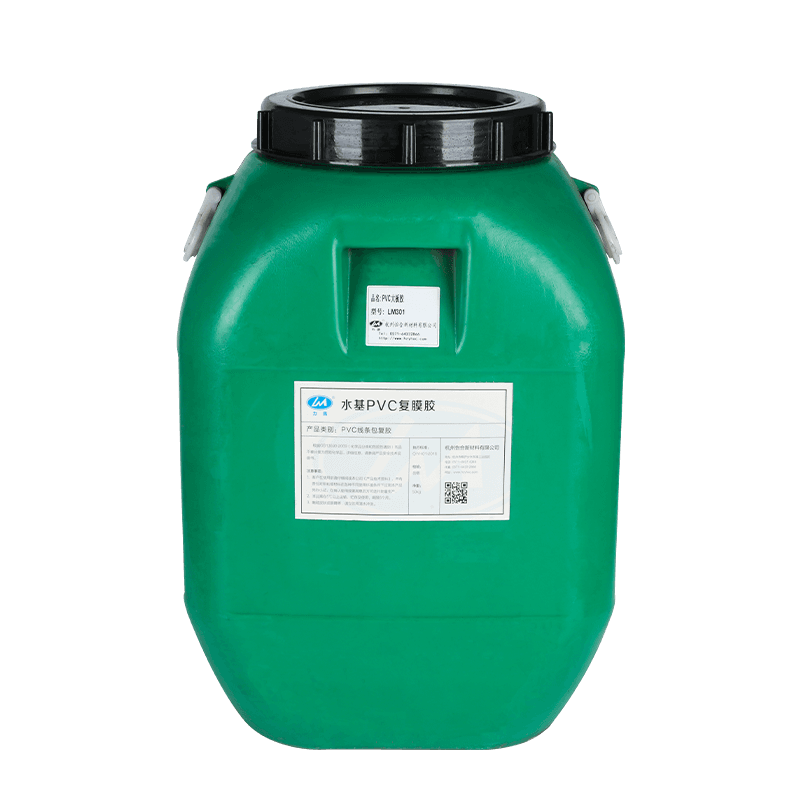
The industry has seen a significant shift toward more sustainable and safer manufacturing practices, paving the way for advanced bonding solutions. This brings us to the core of this discussion: the revolutionary Water-Based PVC Adhesive For MDF Lamination.
The key distinction lies in the carrier. Instead of relying on petrochemical solvents, these adhesives use water as the medium to disperse the adhesive polymers (often polyurethane or acrylic-based). As the adhesive is applied and the water evaporates (a process often accelerated by heat in the lamination line), the polymer particles coalesce and form a strong, permanent bond between the PVC film and the MDF.
The adoption of water-based technology offers several compelling advantages across the supply chain:
Drastically Reduced VOC Emissions: This is the most significant benefit. By eliminating hazardous solvents, water-based adhesives greatly improve air quality in manufacturing plants and contribute to a healthier environment. Products made with these adhesives are often favored for meeting stricter environmental standards and 'green' building certifications.
Improved Workplace Safety: Lower flammability and reduced exposure to toxic fumes create a much safer working environment for factory personnel.
Strong and Durable Bond: Modern water-based formulas achieve excellent adhesion, rivaling the strength of their solvent-based predecessors. The bond is flexible and resilient, ensuring the laminate won't peel or bubble, even in areas with complex curves or high humidity.
Ease of Application and Cleanup: Since the adhesive is water-based, application equipment is easier to clean, requiring less harsh chemicals and downtime. This contributes to better operational efficiency.
Versatility in Application: These adhesives are highly effective in various lamination techniques, including flat lamination (for doors and panels) and membrane pressing or vacuum forming (for contoured furniture components like kitchen cabinet fronts).
The move towards the Water-Based PVC Adhesive For MDF Lamination is more than just a trend; it's a fundamental shift toward an industrial model that balances high-performance with environmental responsibility. As consumers increasingly demand sustainable and safe products, these sophisticated, water-borne adhesives will continue to play an essential, though often unseen, role in defining the quality and composition of the furniture we use every day. They are the invisible bond securing a cleaner, more durable future for the furniture industry.


Copyright © Hangzhou Yihe New Materials Co., Ltd. Rights Reserved.
Eco Friendly Glue Suppliers