English
 中文简体
中文简体 русский
 عربى
عربىNews
Home / News / Industry News / PVC Lamination Adhesive Guide: How to Choose the Right One for a Bond That Lasts
 Search
 +86 178 5710 2305


Content
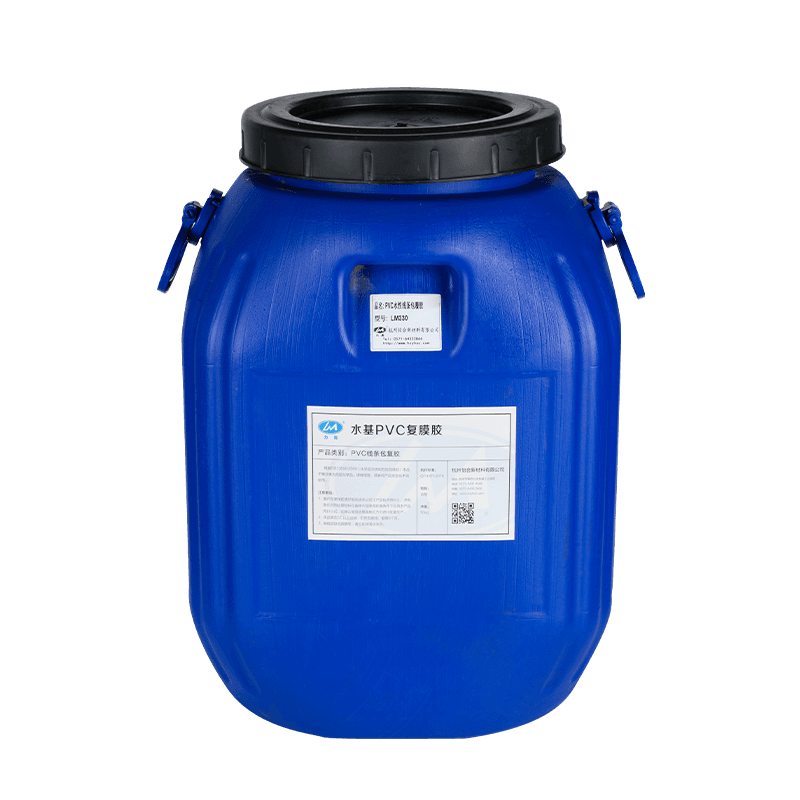
PVC lamination adhesive is a specialized bonding agent used to permanently attach PVC film to a variety of substrates, including MDF, aluminum, steel, particleboard, and gypsum panels. This adhesive is the invisible layer that makes decorative PVC films, whether printed with wood grain, stone grain, or solid colors, adhere firmly and evenly to the base material. While the film itself gets most of the visual credit, the adhesive underneath is what determines whether that finished product holds up over years of daily use or starts peeling, bubbling, and delaminating within months.
Choosing the right PVC lamination adhesive isn't just a manufacturing detail, it directly affects product durability, appearance, and customer satisfaction. Different substrates, environmental conditions, and end-use applications all call for different adhesive formulations, and understanding these differences helps manufacturers avoid costly production issues and product failures down the line.
PVC lamination adhesives generally fall into a few main categories, each suited to different production methods and performance requirements.
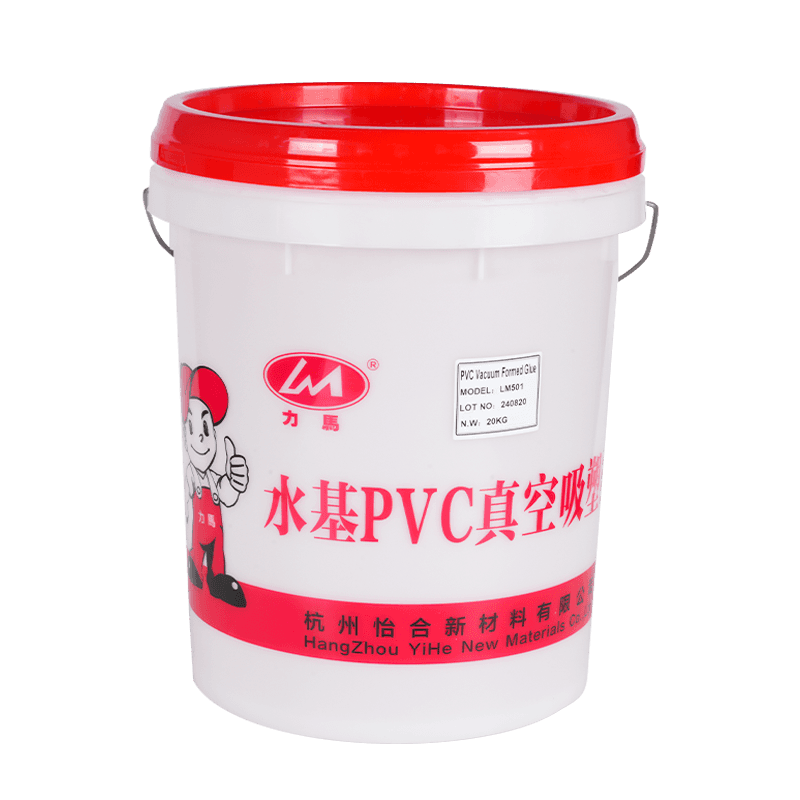
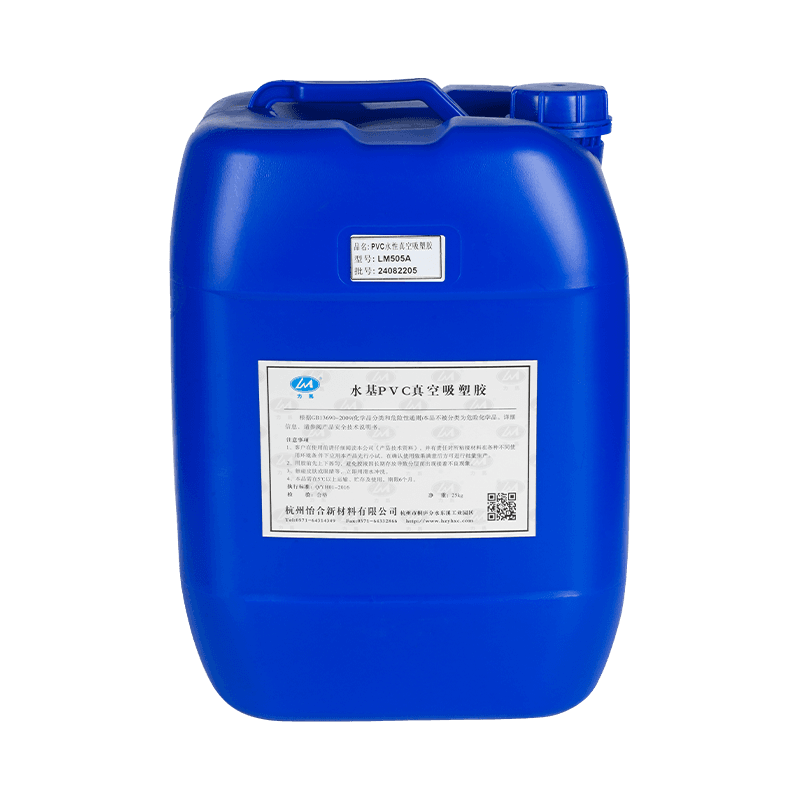
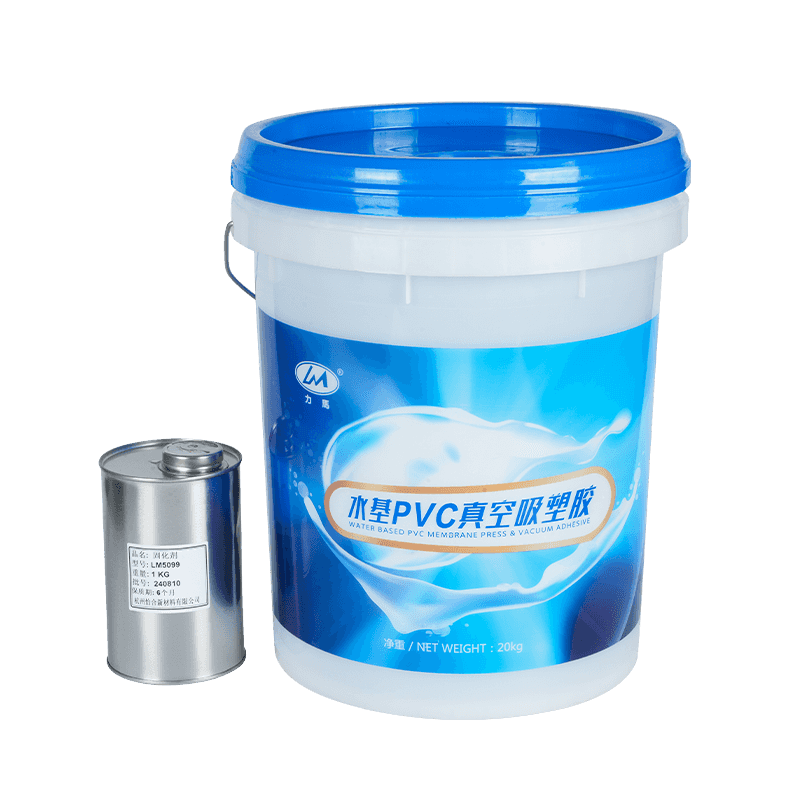
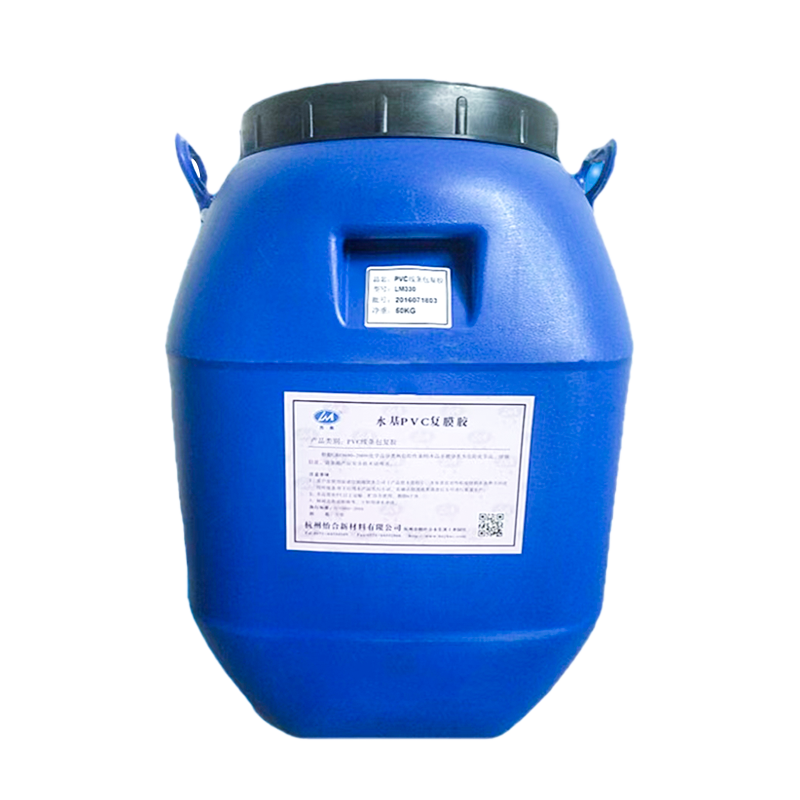
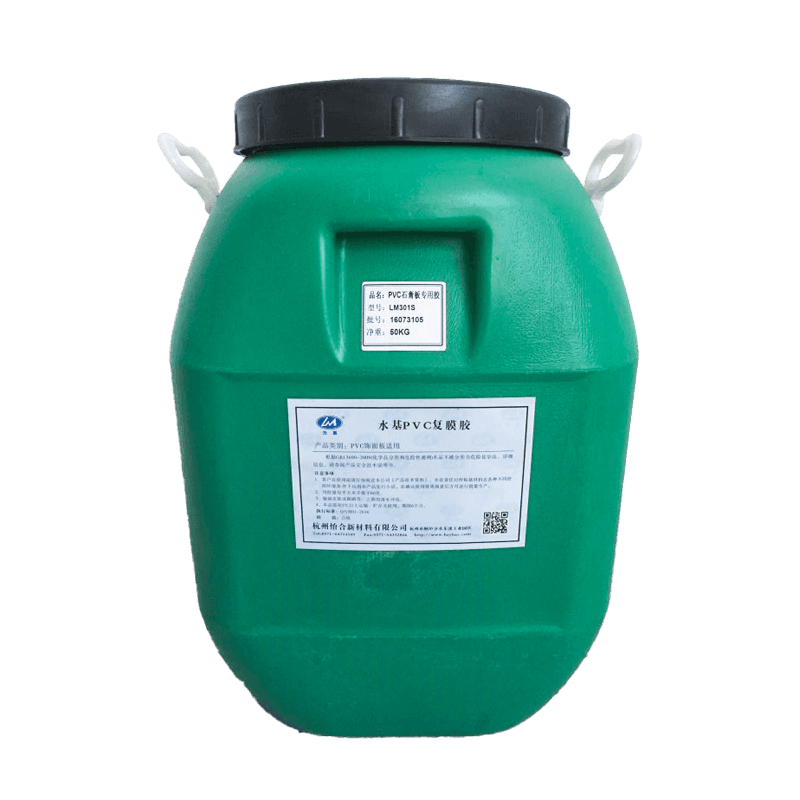
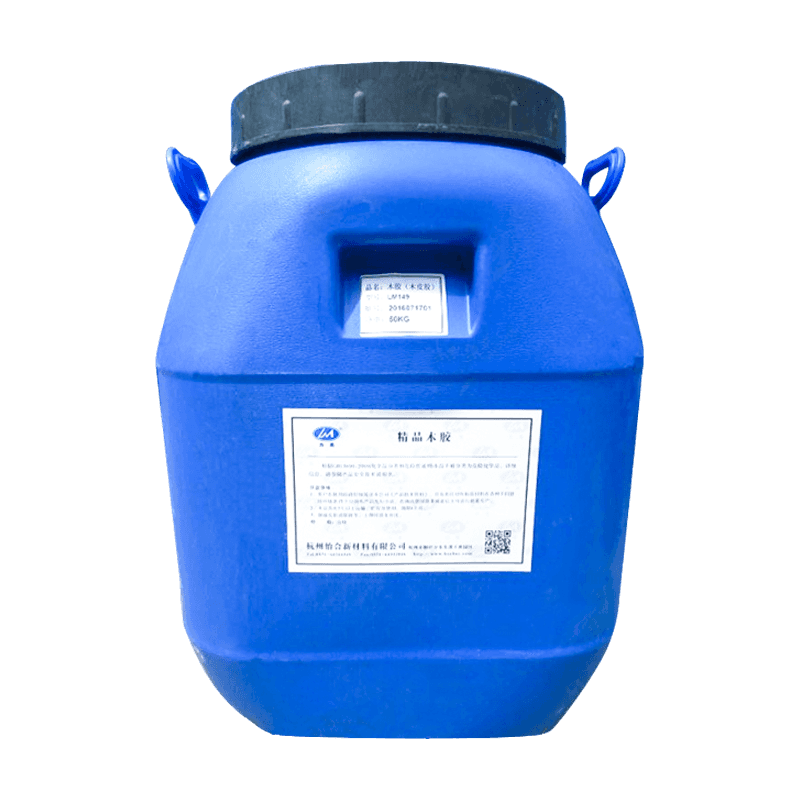
Water-based lamination adhesives are popular for their lower environmental impact and reduced volatile organic compound (VOC) emissions compared to solvent-based alternatives. These adhesives work well for interior applications like furniture panels and cabinet doors, offering good bond strength while being easier to clean up during production and safer for workers due to lower fume exposure.
Solvent-based adhesives typically offer stronger initial tack and faster bonding compared to water-based options, making them a preferred choice for high-speed production lines and applications requiring immediate handling strength. They also tend to perform better in humid or high-moisture environments. However, solvent-based adhesives generally require better ventilation systems and more careful handling due to higher VOC content.
Hot melt adhesives are applied in a molten state and bond as they cool, offering fast processing speeds and strong initial adhesion without the drying time required by water-based or solvent-based options. This makes hot melt adhesives well suited for high-volume manufacturing environments where production speed is a priority, such as door and panel lamination lines.
The table below summarizes the key differences between common PVC lamination adhesive types to help guide selection based on your production needs.
| Adhesive Type | Bond Speed | VOC Level | Best For |
| Water-Based | Moderate | Low | Interior furniture, cabinets |
| Solvent-Based | Fast | High | High-speed lines, humid environments |
| Hot Melt | Very Fast | Low to None | High-volume door/panel production |
Selecting the right PVC lamination adhesive requires looking beyond just adhesive type to consider several performance-driving factors specific to your application.
Not every adhesive bonds equally well to every substrate. MDF, particleboard, aluminum, and steel each have different surface properties, porosity levels, and thermal expansion characteristics, all of which affect how well an adhesive will bond and hold over time. Confirming compatibility between your chosen adhesive and substrate is essential to avoid delamination issues later.
Products intended for humid environments, such as bathroom cabinets or exterior door panels, require an adhesive formulated to resist moisture infiltration and maintain bond strength despite fluctuating temperature and humidity levels. Adhesives that perform well in controlled indoor conditions may fail prematurely when exposed to more extreme environmental swings.
Open time refers to how long the adhesive remains workable after application before it begins to set. Production lines with slower lamination processes need adhesives with a longer open time to allow for proper film alignment, while high-speed automated lines benefit from adhesives that set quickly to keep pace with production speed.
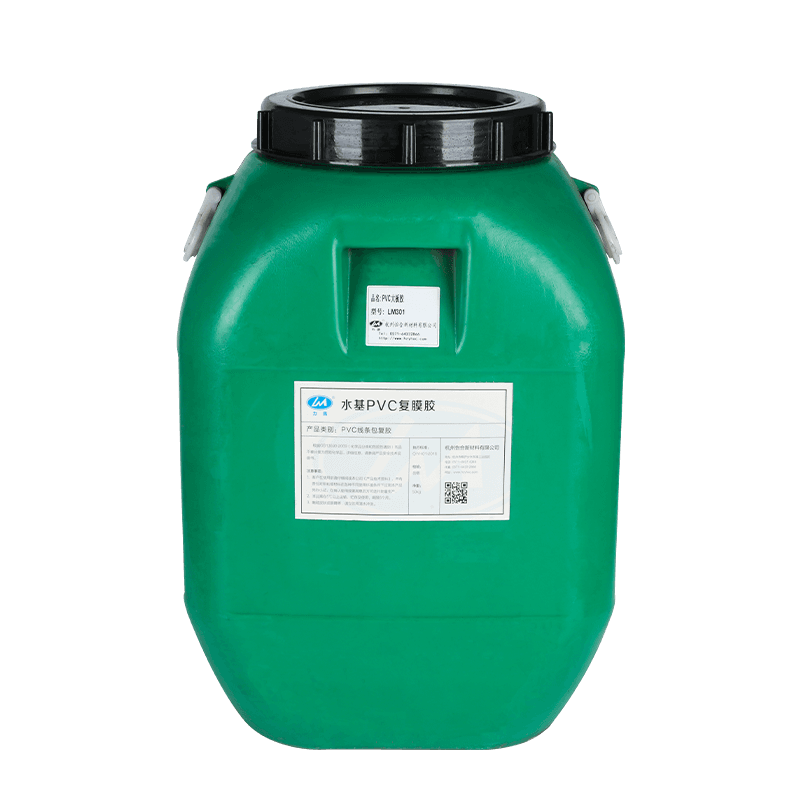
Proper application technique is just as important as choosing the right adhesive formulation. Following these best practices helps ensure a strong, long-lasting bond between the PVC film and substrate.
Using the wrong adhesive or applying it incorrectly can lead to a range of costly production defects. Bubbling is one of the most common issues, often caused by trapped air, uneven adhesive coverage, or insufficient pressure during lamination. Peeling or delamination at the edges typically points to inadequate bond strength, poor substrate preparation, or an adhesive mismatched to the substrate material. Discoloration or adhesive bleed-through can occur when an incompatible adhesive reacts with certain PVC film formulations, causing visible staining under the film's surface over time. Identifying these issues early and adjusting either the adhesive formulation or application process can prevent widespread product defects and costly rework.
Selecting the best PVC lamination adhesive comes down to matching your specific substrate, production speed, environmental exposure requirements, and regulatory considerations like VOC limits. Water-based adhesives offer a safer, lower-emission option well suited to interior furniture and cabinetry, while solvent-based and hot melt adhesives provide faster bonding speeds ideal for high-volume manufacturing environments. Consulting with an adhesive supplier who understands your specific substrate and end-use application can help you avoid trial-and-error guesswork and select a formulation that delivers strong, long-lasting adhesion. Investing time in proper adhesive selection and application technique upfront pays off through fewer product defects, reduced rework costs, and a finished product that holds up reliably for years.






Copyright © Hangzhou Yihe New Materials Co., Ltd. Rights Reserved.
Eco Friendly Glue Suppliers