English
 中文简体
中文简体 русский
 عربى
عربىNews
Home / News / Industry News / PVC Profile Wrapping Adhesives Explained: How They Work and Why They Matter
 Search
 +86 178 5710 2305


Content
PVC profile wrapping adhesives are specialized bonding agents used to laminate decorative foils onto PVC profiles, most commonly seen in window frames, door frames, skirting boards, and furniture edging. The wrapping process involves applying a thin decorative film, such as wood-grain foil, solid color foil, or textured laminate, onto the surface of an extruded PVC profile using heat and adhesive to create a strong, permanent bond. The quality of this bond depends almost entirely on the adhesive used, since it must withstand years of temperature fluctuation, UV exposure, and mechanical stress without peeling, bubbling, or discoloring. As demand for aesthetically pleasing, low-maintenance building materials grows, manufacturers have become increasingly selective about which profile wrapping adhesive they use in production.
Unlike standard adhesives, PVC profile wrapping adhesives are engineered specifically to bond dissimilar materials, typically a rigid PVC substrate and a flexible foil or film. This requires a balance of initial tack, open time, flexibility after curing, and long-term resistance to heat and moisture.
There are several adhesive chemistries used in profile wrapping lines, each offering different performance characteristics depending on the application and production speed required.
Hot melt adhesives are widely used because they set quickly, allowing for fast production speeds on continuous wrapping lines. Ethylene-vinyl acetate (EVA) hot melts are cost-effective and work well for indoor applications like furniture edging, while amorphous poly-alpha-olefin (APAO) hot melts offer better heat resistance and are often chosen for window and door profiles that may be exposed to higher temperatures.
PUR adhesives cure through a chemical reaction with moisture in the air, forming a much stronger and more heat-resistant bond than standard hot melts. This makes them the preferred choice for outdoor-facing PVC profiles, such as window frames, where long-term durability against temperature swings and UV exposure is essential.
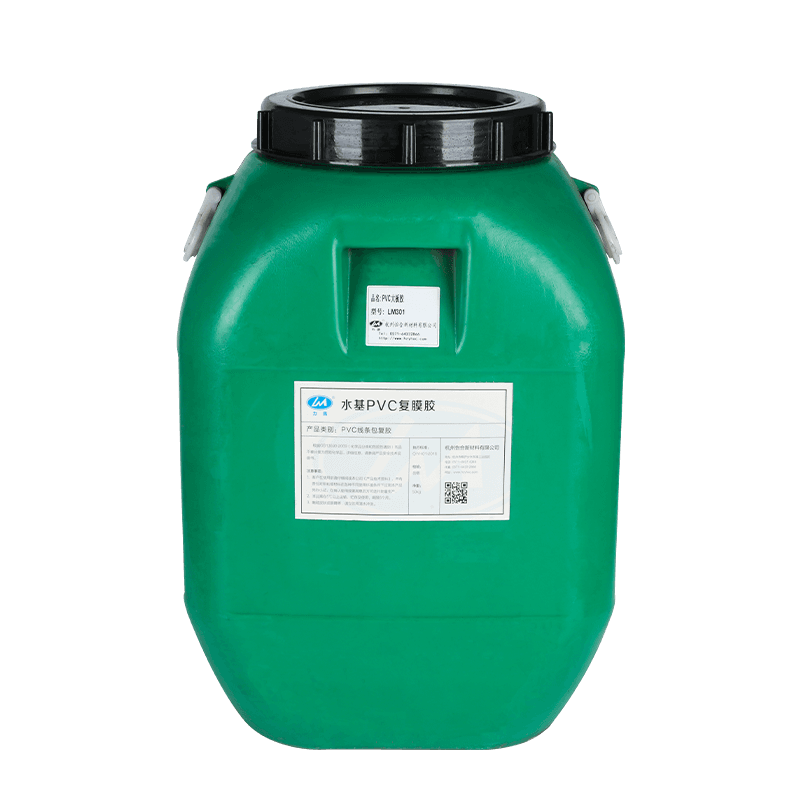
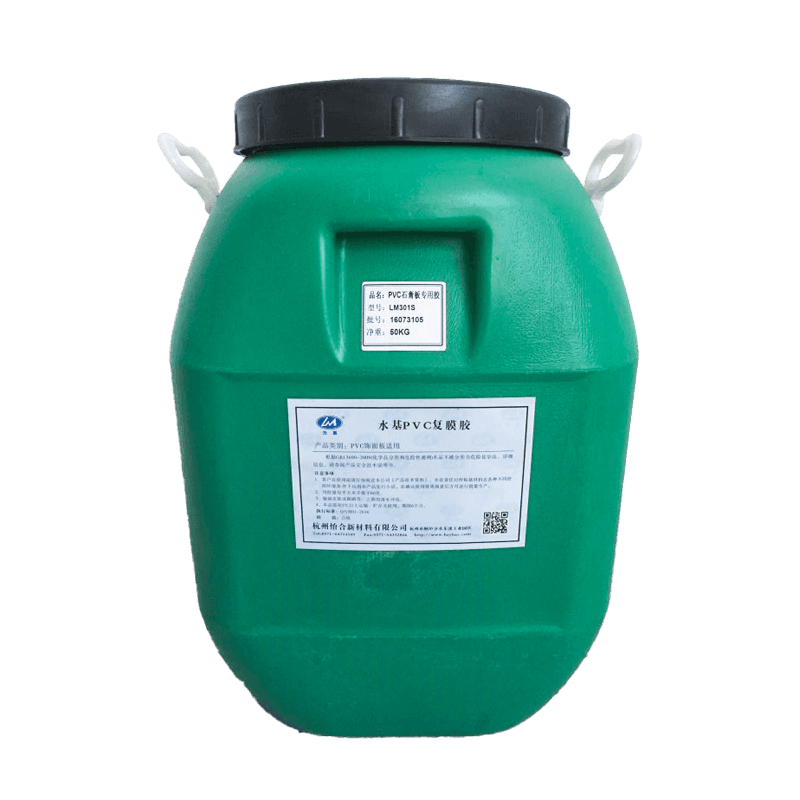
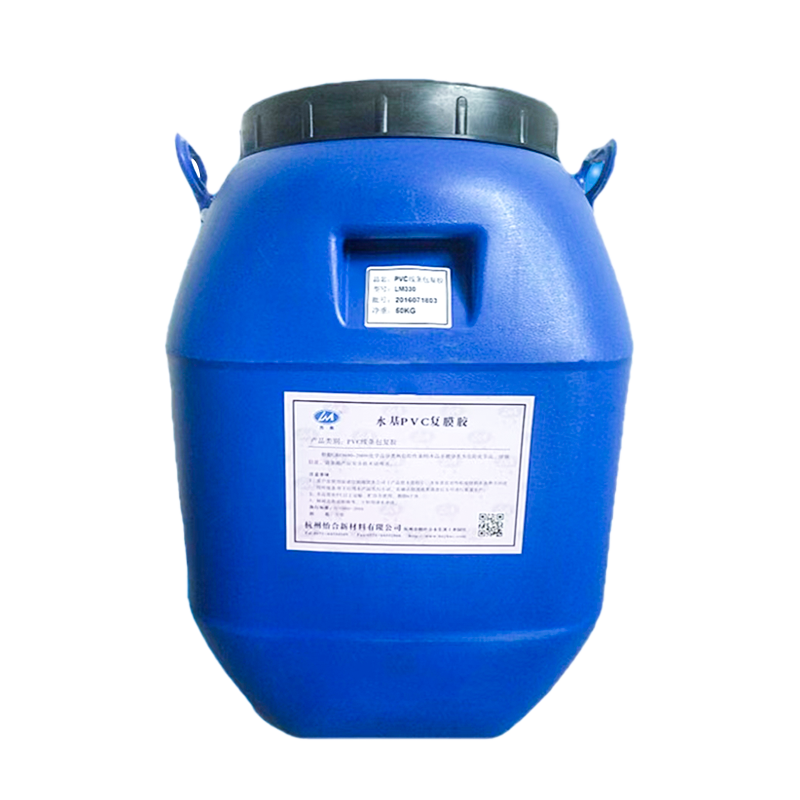
Water-based adhesives are valued for being low in volatile organic compounds (VOCs), making them a more environmentally friendly option. While they typically require longer drying times compared to hot melts, they are often used in facilities aiming to reduce emissions and improve workplace air quality.
Choosing the right PVC profile wrapping adhesive isn't just about bonding strength. Several performance factors determine whether the final wrapped profile will hold up over its intended lifespan.
The table below offers a quick side-by-side comparison of the most common adhesive types used in PVC profile wrapping to help manufacturers match the right adhesive to their application.
| Adhesive Type | Bond Strength | Heat Resistance | Best Use Case |
| EVA Hot Melt | Moderate | Low to Moderate | Indoor furniture profiles |
| APAO Hot Melt | Good | Moderate to High | Interior window and door trim |
| PUR Reactive Hot Melt | Excellent | High | Outdoor window and door profiles |
| Water-Based Adhesive | Good | Moderate | Low-VOC production environments |
Understanding the wrapping process helps clarify why adhesive selection is so critical to the final product's quality.
Before wrapping, the PVC profile surface is typically cleaned and sometimes treated with a primer or corona treatment to improve adhesive bonding, especially on low-surface-energy PVC compounds.
The adhesive is applied evenly across the profile surface using rollers or nozzles on the wrapping line, with temperature and application thickness carefully controlled to avoid uneven bonding or excess squeeze-out.
The decorative foil is fed onto the adhesive-coated profile and pressed firmly using rollers, ensuring the foil conforms tightly to the profile's contours, including corners and grooves, without trapping air bubbles.
Depending on the adhesive type, the wrapped profile then passes through a cooling section or is left to cure, allowing the bond to fully stabilize before cutting, packaging, or further processing.
Choosing the wrong adhesive for PVC profile wrapping can lead to costly quality issues that surface long after the product leaves the factory.
Since adhesive performance directly affects product quality and warranty claims, working with a reliable supplier is just as important as selecting the right chemistry.
Selecting the right PVC profile wrapping adhesive is one of the most important decisions in the profile lamination process, directly influencing the durability, appearance, and lifespan of the finished product. From hot melt adhesives suited for indoor furniture trim to high-performance PUR adhesives designed for outdoor window frames, understanding the strengths and limitations of each adhesive type helps manufacturers avoid costly defects and deliver a more reliable finished product. Taking the time to test, compare, and validate adhesive performance before committing to full-scale production can save significant time and money down the line.






Copyright © Hangzhou Yihe New Materials Co., Ltd. Rights Reserved.
Eco Friendly Glue Suppliers