English
 中文简体
中文简体 русский
 عربى
عربىNews
Home / News / Industry News / Water-Based PVC Adhesive For MDF Lamination: A Simple Guide to Getting It Right
 Search
 +86 178 5710 2305


Content
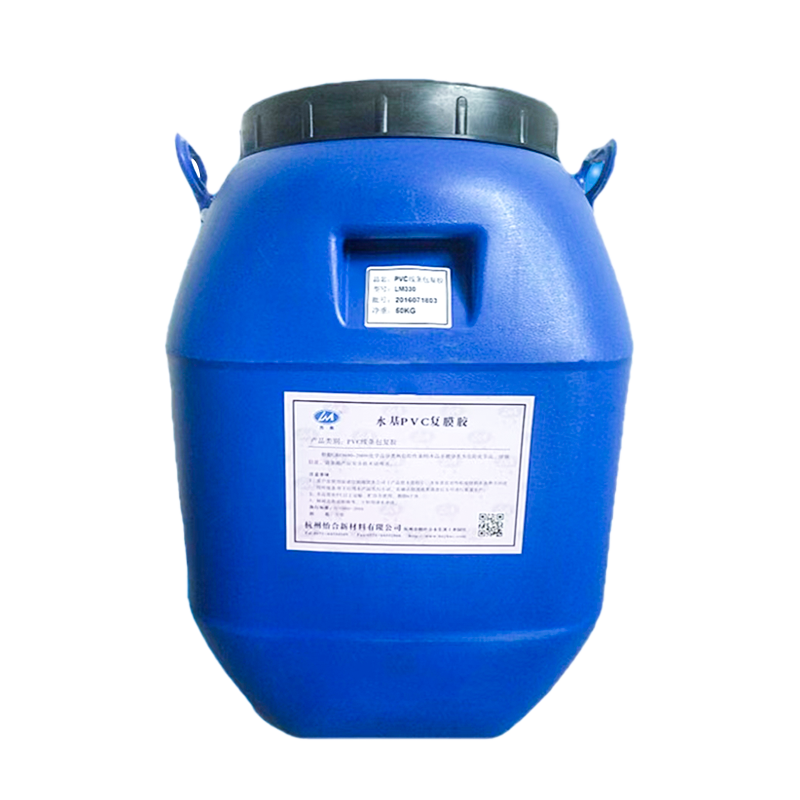
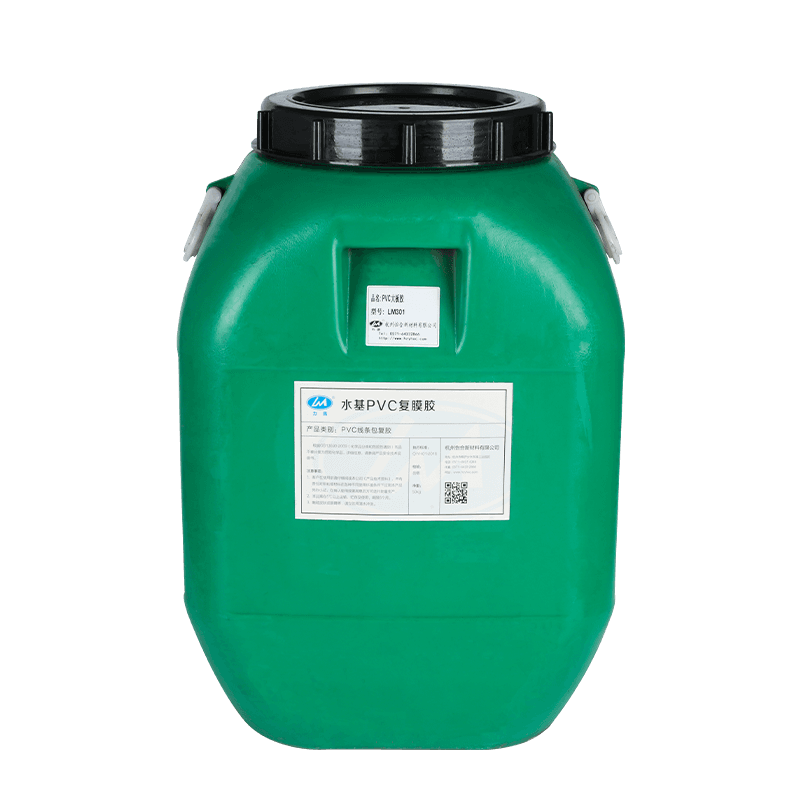
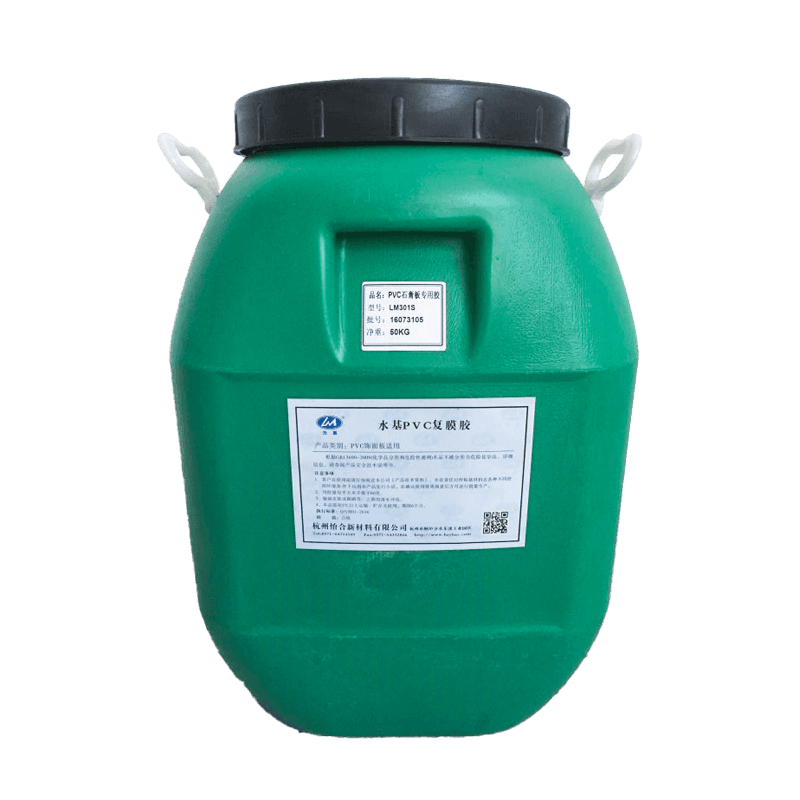
If you work with furniture panels, cabinet doors, or wall panels, you have probably run into the term water-based PVC adhesive for MDF lamination. This is a specialized glue designed to bond PVC (polyvinyl chloride) foil or film onto medium-density fiberboard (MDF) surfaces. Unlike solvent-based glues, this adhesive uses water as its carrier instead of harsh chemical solvents, which makes it safer to handle and better for the environment.
MDF lamination is a huge part of the furniture and interior decoration industry. Cabinets, wardrobe doors, kitchen panels, and decorative wall boards all rely on a strong, even bond between the PVC film and the MDF core. If the adhesive fails, you get bubbling, peeling, or discoloration, which ruins the finished product. That is why choosing the right water-based PVC adhesive is not just a small detail — it directly affects how long your finished panels will last.
Water-based PVC adhesive is typically made from polyvinyl acetate (PVA) or acrylic emulsions mixed with water and various additives that control viscosity, drying speed, and bonding strength. When applied to the MDF surface, the water gradually evaporates, leaving behind a flexible adhesive film that grips both the porous MDF and the smooth PVC film.
The bonding process depends heavily on three factors: the porosity of the MDF board, the amount of adhesive applied, and the pressing conditions (temperature, pressure, and time). Because MDF is porous, it actually helps the water-based adhesive penetrate slightly into the surface, creating a mechanical interlock in addition to the chemical bond. This is one reason water-based adhesives often perform so well specifically on MDF compared to denser or laminated substrates.
Many manufacturers are shifting away from solvent-based glues toward water-based PVC adhesive for MDF lamination, and there are practical reasons behind this trend.
These benefits are why so many cabinet and door manufacturers have switched their production lines to water-based systems, even though the drying time can be slightly longer than solvent-based alternatives.
Getting a clean, bubble-free lamination result depends on following the correct process. Here is a general workflow used in most factories and workshops.
Sand the MDF surface lightly to remove dust and open the pores slightly. Any oil, moisture, or debris on the board will weaken the bond, so a clean, dry surface is essential before applying any adhesive.
Apply the water-based PVC adhesive evenly using a roller coater or spray gun, depending on your production scale. Consistency matters here — too little glue causes weak spots, while too much can cause the PVC film to bubble as trapped moisture tries to escape during pressing.
Let the adhesive sit for a few minutes so it becomes tacky rather than wet. Pressing too early, while the glue is still too wet, is one of the most common causes of bubbling or shifting film.
Once tacky, the PVC film is applied and pressed using a membrane press or roller press with controlled heat and pressure. Curing time varies by product, but most water-based adhesives need anywhere from a few hours to 24 hours to reach full bond strength.

To help you decide which type suits your production needs, here is a side-by-side comparison of the two most common adhesive types used for MDF lamination.
| Feature | Water-Based PVC Adhesive | Solvent-Based PVC Adhesive |
| VOC Emissions | Low | High |
| Drying Time | Moderate to Slow | Fast |
| Odor | Mild | Strong |
| Cleanup | Water | Chemical Thinner |
| Flexibility After Cure | Good | Moderate |
| Fire Risk in Storage | Lower | Higher |
As you can see, water-based adhesive trades a bit of speed for safety, cleanliness, and long-term flexibility, which is why it has become the preferred choice for many indoor furniture manufacturers.
Even with a good adhesive, mistakes in application can lead to defects. Below are the most frequent issues workshops run into and simple ways to correct them.
This usually happens when the adhesive is pressed while still too wet, trapping moisture underneath. Extend the open time before pressing and check the roller coater settings to reduce excess glue.
Peeling often points to insufficient pressing pressure or an MDF surface that was not properly sanded. Increase press time slightly and confirm the board surface is free of dust and oil before gluing.
Humidity and workshop temperature affect drying speed significantly. Keep the production area between 20-25°C with moderate humidity for the most consistent curing results.
Not all water-based adhesives are created equal, and picking the wrong one for your specific application can cause ongoing quality issues. Keep these points in mind when comparing products.
Testing a small batch before committing to large-scale production is always a smart move, especially when switching suppliers or adhesive formulations.
Proper storage keeps water-based PVC adhesive performing at its best. Store containers in a cool area away from direct sunlight, and avoid letting the adhesive freeze, since freezing can permanently damage the emulsion and ruin its bonding properties.
Always reseal containers tightly after use to prevent the adhesive from drying out or forming a skin on top. Most water-based adhesives have a shelf life of six months to a year when stored correctly, so it helps to label containers with the purchase date and rotate stock using older batches first.
By following the right preparation, application, and storage steps, water-based PVC adhesive can deliver strong, long-lasting MDF lamination results while keeping your workshop safer and more environmentally friendly.









Copyright © Hangzhou Yihe New Materials Co., Ltd. Rights Reserved.
Eco Friendly Glue Suppliers