English
 中文简体
中文简体 русский
 عربى
عربىNews
Home / News / Industry News / How to Choose the Right Wood Adhesive for Any Project (A Simple Guide)
 Search
 +86 178 5710 2305


If you've ever stood in the hardware store staring at a wall of glue bottles wondering which one actually works for wood, you're not alone. Picking the wrong wood adhesive can mean a joint that pops apart in a few months, while the right one can outlast the wood itself. This guide breaks down everything you need to know about wood adhesive in plain, practical terms — no chemistry degree required.
Content
Wood adhesive works by soaking into the tiny pores of wood fibers and then hardening, creating a mechanical bond between two surfaces that's often stronger than the wood itself. That's why, when a properly glued joint fails, the wood usually splinters before the glue line gives way. Unlike nails or screws, which hold pieces together through friction and pressure, adhesive creates a continuous bond across the entire glued surface, distributing stress evenly and reducing the chance of a weak point.
This is why wood adhesive is the backbone of furniture making, cabinetry, flooring, and structural woodworking. A well-glued joint can handle expansion, contraction, and vibration far better than fasteners alone.
Not all wood glue is created equal. Different formulas are built for different conditions, from indoor furniture to outdoor decking. Here's a breakdown of the most common types.
| Adhesive Type | Best Use | Water Resistance | Dry Time |
| PVA (Yellow Glue) | Indoor furniture, general woodworking | Low to moderate | 20-30 minutes |
| Titebond III (Waterproof PVA) | Outdoor furniture, cutting boards | High | 30 minutes |
| Polyurethane Glue | Mixed materials, outdoor projects | Very high | 1-2 hours |
| Epoxy Resin | Structural repairs, gap filling | High | Varies (minutes to hours) |
| Hide Glue | Antique restoration, instruments | Low | 10-15 minutes |
For most everyday projects, a standard PVA wood glue will do the job perfectly. It's only when moisture, heavy structural loads, or antique restoration come into play that you need to reach for something more specialized.
Choosing wood adhesive isn't about finding the "strongest" glue on the shelf — it's about matching the adhesive's properties to your project's real-world conditions. Ask yourself these questions before buying:
If you're building something for outdoor use, like a garden bench or planter box, standard yellow glue won't cut it. Look for a waterproof formula such as Titebond III or a polyurethane adhesive, both of which are designed to resist swelling, mold, and joint failure from humidity or rain.
Complex glue-ups with multiple pieces, like a large tabletop or a chair frame, need an adhesive with a longer open time so you can position everything before it sets. Epoxy and polyurethane glues typically give you more working time than fast-setting PVA formulas.
Oily or dense hardwoods like teak and rosewood can resist standard PVA glue because the natural oils prevent proper penetration into the wood fibers. In these cases, epoxy adhesives generally form a more reliable bond.
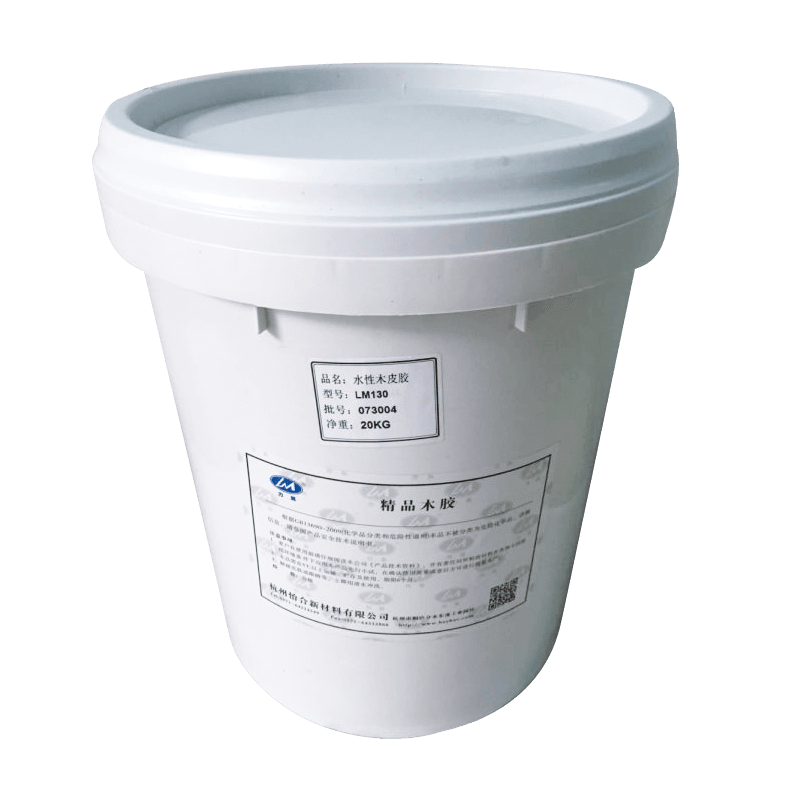
Even the best wood adhesive will fail if it's applied poorly. These practical tips will help you get a strong, clean bond every time.
Many woodworking failures aren't caused by bad glue — they're caused by how the glue was used. Watch out for these common pitfalls.
Wood adhesive doesn't last forever, and using expired glue is one of the sneakiest causes of joint failure. Most PVA glues have a shelf life of about one year once opened, and they should be stored in a cool, dry place away from direct sunlight and freezing temperatures. If your glue has become thick, stringy, or separated into layers that won't mix back together, it's time to replace it. A quick way to test old glue is to apply a small amount to scrap wood, let it dry, and check whether it forms a solid, flexible bond or crumbles apart.
There's no single "best" wood adhesive for every situation — the right choice depends on the wood species, environmental conditions, and how much time you have to work before it sets. Keeping a small stock of a general-purpose PVA glue, a waterproof formula, and an epoxy on hand will cover nearly every project that comes your way. Match the adhesive to the job, apply it correctly, and your joints will likely outlast the rest of the piece.











Copyright © Hangzhou Yihe New Materials Co., Ltd. Rights Reserved.
Eco Friendly Glue Suppliers