

 English
 中文简体
中文简体 русский
 عربى
عربىNews
Professional supplier of environmentally friendly adhesives
 Search
 +86 178 5710 2305

Search
+86 178 5710 2305

The Ultimate Guide to Selecting and Applying Car Upholstery Glue
Content
Understanding the Importance of Specialized Automotive Adhesives
When it comes to interior restoration, using a generic craft or household glue is a recipe for failure. Car upholstery glue is specifically engineered to withstand the extreme environment inside a vehicle, where temperatures can swing from freezing to over 160°F in direct sunlight. These adhesives are designed to be heat-resistant, moisture-resistant, and flexible enough to handle the constant vibrations of the road without becoming brittle or losing their bond. Selecting the correct adhesive ensures that headliners don't sag, door panels don't peel, and seat covers remain firmly in place for years to come.
Types of Car Upholstery Glue and Their Applications
Choosing the right formula depends heavily on the materials you are bonding and the surface area involved. Most professional-grade automotive adhesives fall into three primary categories, each with distinct advantages for specific repair tasks.
Aerosol Spray Adhesives
Spray adhesives are the go-to choice for large surface areas like headliners and carpet installations. They provide an even, thin coat that prevents the glue from soaking through delicate fabrics. High-temp spray adhesives are particularly critical for overhead applications where gravity and heat work together to pull materials down.
Brush-on or Contact Cement
For heavy-duty bonding, such as leather seats or thick vinyl door panels, brush-on contact cement offers superior strength. This glue requires "flashing"—allowing both surfaces to become tacky before pressing them together—resulting in an instant, permanent bond that is very difficult to reposition once contact is made.
Gel and Liquid Adhesives
These are ideal for detail work and small repairs, such as reattaching trim pieces or fixing small tears in upholstery. They offer more precision and a longer "open time," allowing you to adjust the position of the material before the bond sets permanently.
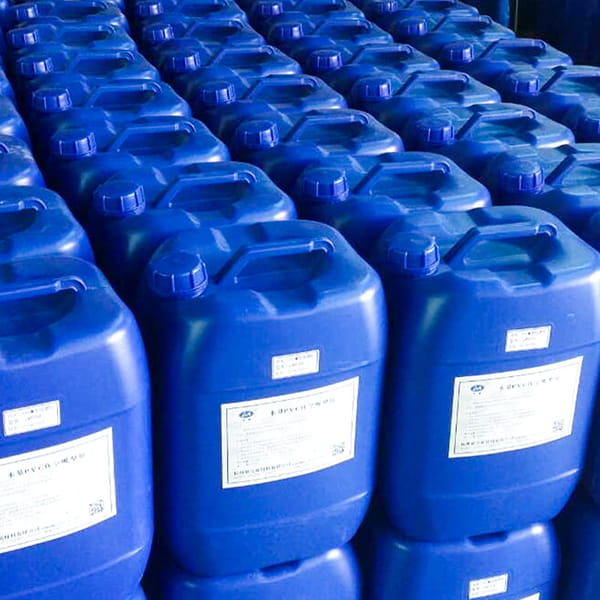
Comparison of Common Upholstery Glue Materials
The following table outlines which adhesives work best with specific automotive interior materials to help you choose the right product for your project.
| Material | Recommended Glue Type | Key Feature |
| Headliner Fabric | High-Temp Spray | Heat Resistance |
| Leather / Thick Vinyl | Contact Cement | High Shear Strength |
| Plastic Trim | Plastic Bonder / Cyanoacrylate | Fast Set Time |
| Carpet / Underlayment | Heavy Duty Spray | Wide Coverage |
Professional Application Techniques for a Lasting Bond
Success in upholstery repair is 90% preparation and 10% application. If the surface isn't properly prepped, even the strongest glue will eventually fail. Follow these essential steps to ensure a professional-grade finish:
- Surface Cleaning: Remove all old glue, foam residue, and oils using a specialized adhesive remover or isopropyl alcohol.
- Temperature Control: Apply glue in an environment between 65°F and 85°F. Extreme cold prevents curing, while extreme heat can cause the glue to dry too quickly.
- Dual-Surface Application: For most upholstery glues, apply a light, even coat to both the fabric backing and the mounting surface.
- Proper Tacky State: Wait for the glue to become tacky—meaning it doesn't transfer to your finger when touched—before joining the two surfaces.
- Pressure Application: Use a J-roller or firm hand pressure to eliminate air bubbles and ensure the adhesive layers fuse completely.
Safety and Maintenance Precautions
Automotive adhesives often contain strong solvents and chemicals that require careful handling. Always work in a well-ventilated area or use a respirator designed for organic vapors to avoid inhaling fumes. Furthermore, ensure that the glue is completely cured—usually 24 to 48 hours—before exposing the vehicle to extreme heat or heavy use. Properly sealing the glue container after use will prevent the remaining product from drying out, extending its shelf life for future touch-ups.
Recommended Products
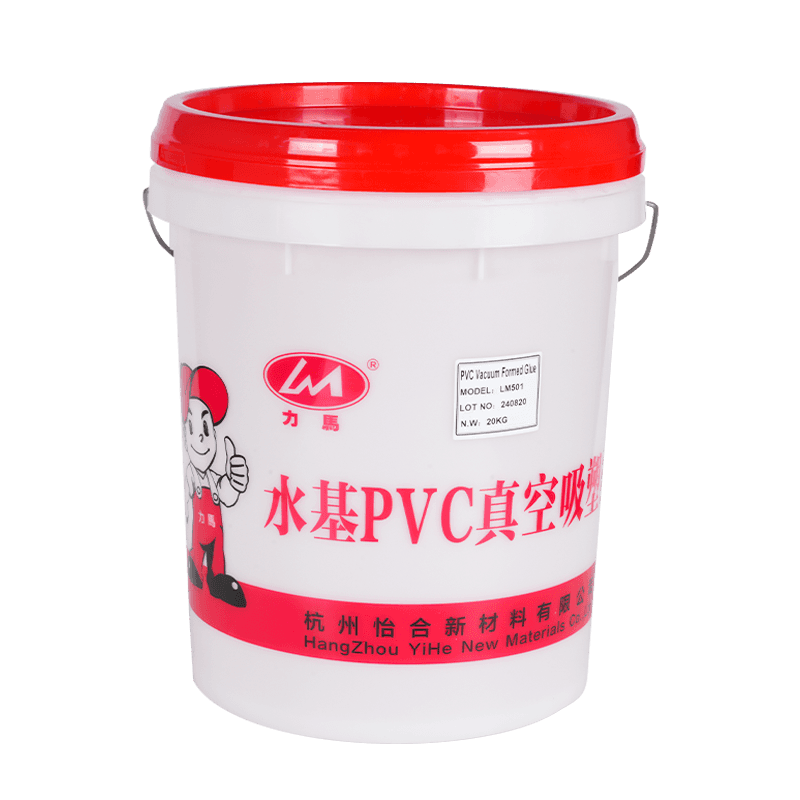
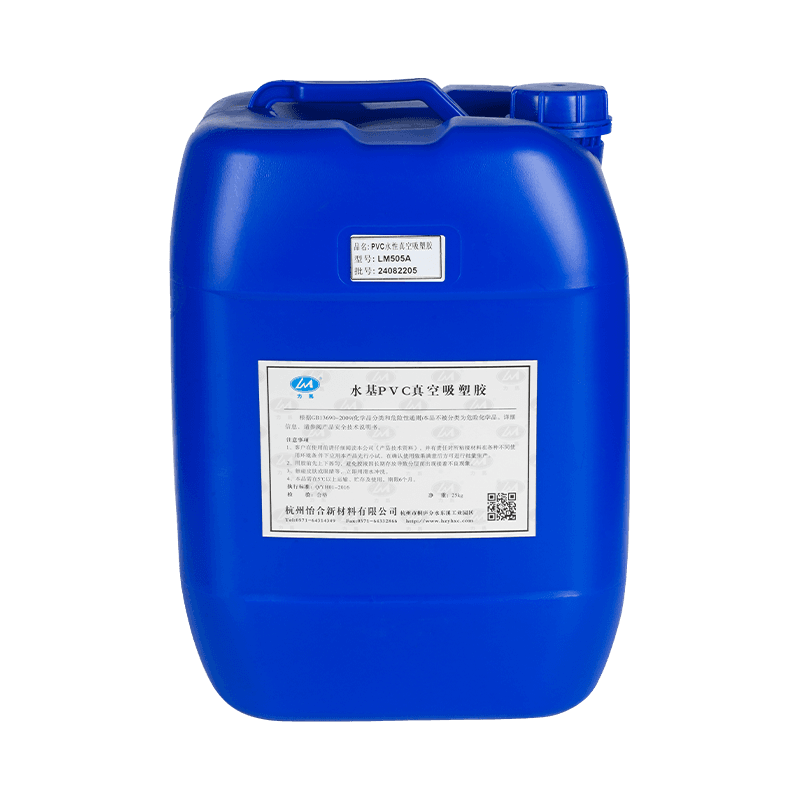
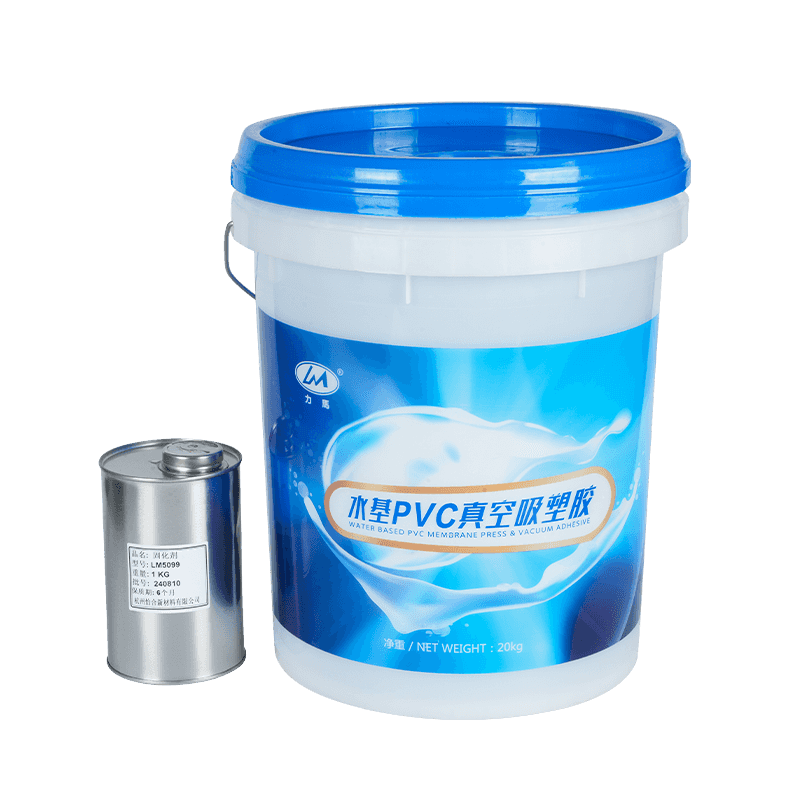

Our Global
Business Partners
Business Partners









About Us
Products
- Water Based PVC Vacuum Thermoforming Adhesive Series
- Water-Based PVC Lamination Adhesive Series
- Premium Woodworking Adhesive Series
- PUR Hot Melt Adhesive Series
- EVA Hot Melt Adhesive Series
- Automotive Interior Adhesive
- Adhesive For Other Applications
- Environmentally Friendly Adhesives
- Profile Wrapping Adhesives
Contact Us
- Add: Dongxi Industrial Park, Fenshui Town, Tonglu County, Hangzhou, China
- Tel: +86 178 5710 2305
- E-mail: [email protected]
- whatsapp: +852 9215 7996
We'd love to
hear from you!
Copyright © Hangzhou Yihe New Materials Co., Ltd. Rights Reserved.
Eco Friendly Glue Suppliers
