English
 中文简体
中文简体 русский
 عربى
عربىNews
Home / News / Industry News / Mastering Car Upholstery: The Ultimate Guide to Choosing and Using Car Upholstery Glue
 Search
 +86 178 5710 2305


Content
Car upholstery glue is a specialized adhesive designed to bond various materials used in vehicle interiors, including leather, fabric, vinyl, foam, and plastic components. Unlike general-purpose adhesives, car upholstery glue must withstand high temperatures, humidity, and regular wear and tear while maintaining flexibility. Choosing the right glue ensures long-lasting repairs, enhances the overall aesthetic of your vehicle interior, and prevents costly replacements.
There are several types of adhesives suitable for automotive interiors, each designed for specific materials and applications. Understanding the differences helps ensure a durable and professional finish.
Selecting the correct adhesive depends on several factors, including the material, exposure to temperature, and intended use. Key considerations include:
Proper application ensures a strong, lasting bond and a clean finish. Follow these steps for effective upholstery repair:
Clean the surfaces thoroughly to remove dirt, oils, or old adhesive residues. Use isopropyl alcohol or a mild detergent and allow surfaces to dry completely.
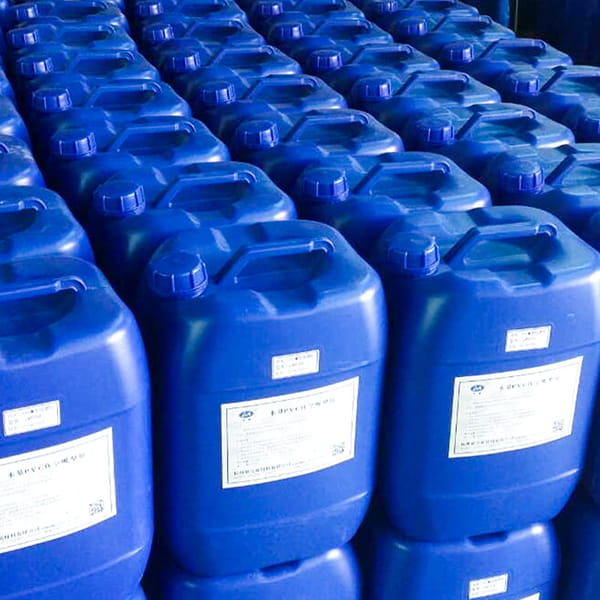
Apply the glue evenly according to the manufacturer’s instructions. For contact adhesives, coat both surfaces and allow them to become tacky before pressing together.
Press the materials firmly together, ensuring proper alignment. Use clamps or weights if necessary. Allow the adhesive to cure fully, which may range from minutes to several hours depending on the type used.
Remove any excess glue carefully with a scraper or solvent. Inspect the bond for any weak spots and reapply glue if needed. Proper finishing ensures a professional look and long-lasting repair.
Even with the right adhesive, improper usage can compromise repairs. Avoid these frequent mistakes:
After repair, proper care extends the life of your car interior. Regular cleaning with appropriate products, avoiding harsh chemicals, and preventing prolonged exposure to sunlight can maintain the integrity of glued surfaces. Reinspections every few months help identify weak spots before major damage occurs.
Car upholstery glue is a vital component for repairing and maintaining vehicle interiors. Selecting the correct adhesive, applying it carefully, and following proper curing and maintenance techniques ensures professional-quality results. By understanding the types of glue, usage methods, and common pitfalls, vehicle owners and professionals can achieve durable, aesthetically pleasing repairs every time.











Copyright © Hangzhou Yihe New Materials Co., Ltd. Rights Reserved.
Eco Friendly Glue Suppliers