English
 中文简体
中文简体 русский
 عربى
عربىNews
Home / News / Industry News / Why is EVA Wrapping Hot Melt Adhesive the Top Choice for Quality Profile Wrapping?
 Search
 +86 178 5710 2305


Content
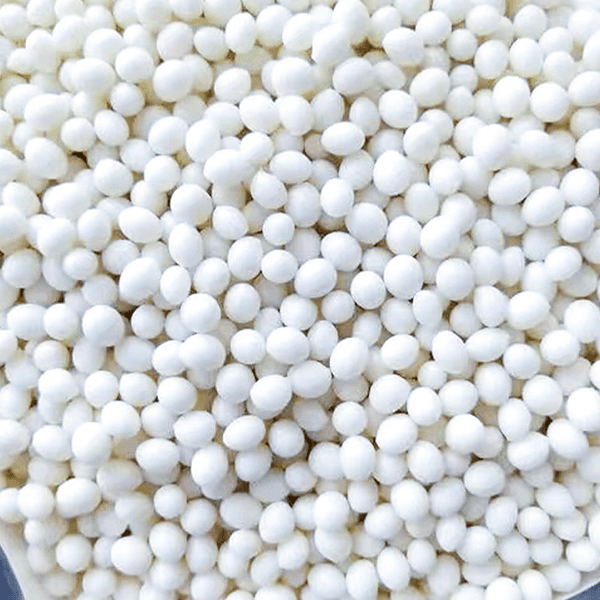
EVA Wrapping Hot Melt Adhesive is a specialized thermoplastic bonding agent primarily composed of Ethylene-Vinyl Acetate copolymers. In the woodworking and furniture manufacturing industries, this adhesive serves as the critical bonding layer between a core substrate—such as MDF, particleboard, or aluminum—and a decorative surface material. The "wrapping" process involves a continuous application where the adhesive must maintain a specific open time to allow the decorative foil or veneer to be seamlessly pressed around complex contours and profiles.
The effectiveness of these EVA-based adhesives lies in their ability to balance viscosity with thermal stability. Because profile wrapping machines operate at high speeds, the adhesive must melt quickly and flow evenly across the substrate surface. This ensures that every curve and groove of the profile is covered, preventing "spring-back" or delamination of the wrapping material after the cooling process is complete.
High-quality EVA wrapping compounds are designed to withstand prolonged heating in the glue tank without significant carbonization. This thermal stability prevents the nozzle or roller from clogging, which is essential for maintaining a consistent production line. A steady melt rate ensures that the adhesive film thickness remains uniform, providing a smooth finish even on thin decorative papers.
Green strength refers to the immediate bond formed before the adhesive has fully cooled. For complex profile wrapping, high green strength is non-negotiable. It holds the film or veneer firmly against the substrate as it exits the pressure rollers, ensuring that the edges remain tight and the corners are crisp without the need for external clamping or extended drying times.

Choosing the right variant of EVA wrapping hot melt adhesive depends on the equipment speed and the type of surface material being used. Below is a comparison of typical specifications for standard vs. high-speed wrapping applications.
| Feature | Standard EVA Wrapping | High-Speed EVA Wrapping |
| Operating Temperature | 160°C - 180°C | 180°C - 200°C |
| Viscosity (mPa.s) | 15,000 - 25,000 | 8,000 - 12,000 |
| Feed Speed | 10-20 m/min | 30-60 m/min |
| Best For | Thick Veneers | PVC & Thin Foils |
To achieve a flawless finish and a long-lasting bond, operators must adhere to strict application protocols. Even the highest grade of EVA wrapping hot melt adhesive can fail if the environmental conditions or machinery settings are incorrect. Consider the following practical guidelines:
Not all EVA wrapping hot melt adhesives are identical. Manufacturers often modify the base polymer with resins and waxes to achieve specific results. Some variations are "filled," containing minerals to reduce cost and shrinkage, while others are "unfilled" for a more transparent bond line. Unfilled adhesives are particularly popular when wrapping light-colored profiles or using transparent films, as they leave no visible residue at the seams. Additionally, certain UV-stabilized versions are available for products that will be exposed to significant sunlight, preventing the adhesive from becoming brittle over time.








Copyright © Hangzhou Yihe New Materials Co., Ltd. Rights Reserved.
Eco Friendly Glue Suppliers