

 English
 中文简体
中文简体 русский
 عربى
عربىNews
Professional supplier of environmentally friendly adhesives
 Search
 +86 178 5710 2305

Search
+86 178 5710 2305

Why PUR Wrapping Hot Melt Adhesive is a Game Changer
Content
The Essentials of PUR Wrapping Hot Melt Adhesive
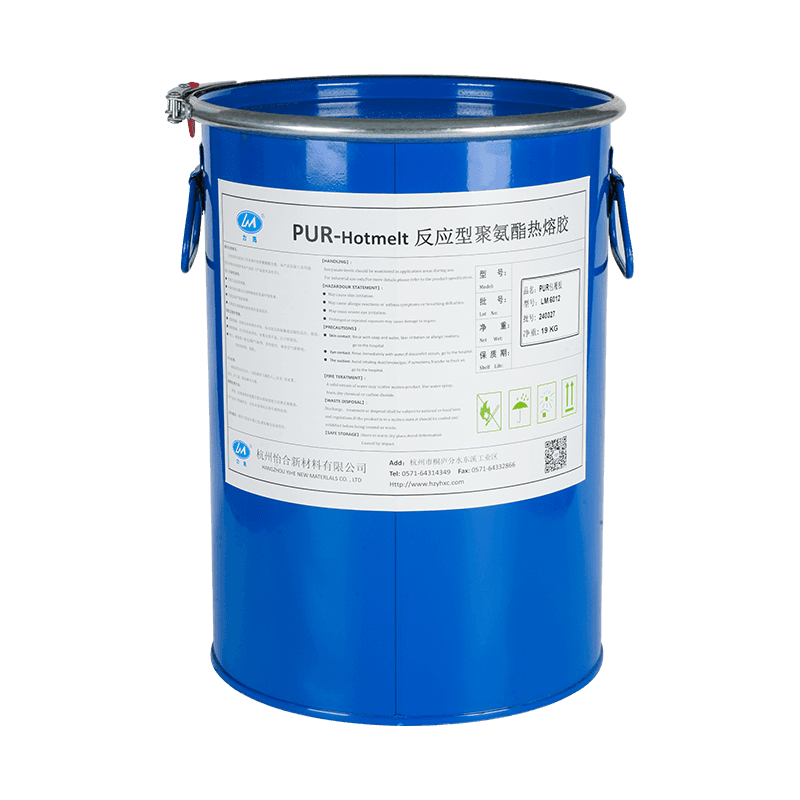
PUR wrapping hot melt adhesive, short for Polyurethane Reactive adhesive, represents the pinnacle of modern bonding technology in the woodworking and profile wrapping industries. Unlike traditional hot melts that can be re-melted with heat, PUR is a moisture-curing adhesive. Once it is applied and comes into contact with humidity in the air or the substrate, it undergoes a chemical cross-linking process. This transition creates a permanent, structural bond that is virtually impossible to break. For manufacturers wrapping complex profiles like door frames, window components, or decorative moldings, this adhesive provides the necessary "green strength" for immediate handling while ensuring a long-term bond that won't fail under environmental stress.
Key Benefits for Profile Wrapping Operations
Switching to a PUR-based system offers several technical advantages over standard EVA or polyolefin adhesives. These benefits are particularly noticeable when working with challenging materials or products destined for harsh climates.
- Extreme Temperature Resistance: Because PUR is thermosetting, it will not soften or "creep" when exposed to high summer heat or direct sunlight.
- Superior Moisture Protection: The chemical cross-linking makes the glue line waterproof, making it the ideal choice for kitchen and bathroom cabinetry.
- Minimal Glue Lines: PUR allows for a very thin application, resulting in nearly invisible seams even on high-gloss or dark finishes.
- Versatile Substrate Compatibility: It bonds exceptionally well to PVC, veneers, CPL, and even aluminum profiles.
Practical Application and Equipment Requirements
Because PUR wrapping hot melt adhesive reacts with moisture, the application process requires specific specialized equipment to prevent the glue from curing inside the machine. Most industrial setups utilize a bulk melter or a bag melter that keeps the adhesive in a completely sealed, dry environment until it reaches the application nozzle or roller.
Pre-heating and Temperature Control
Correct temperature management is vital. Most PUR adhesives are applied between 120°C and 150°C. If the temperature is too low, the viscosity will be too high, leading to poor wetting of the substrate. Conversely, overheating the adhesive for extended periods can cause "charring" or premature cross-linking, which clogs the filters and applicators.
Managing the Open Time
"Open time" refers to the window during which the adhesive remains tacky enough to bond the foil or veneer to the profile. When using PUR wrapping hot melt adhesive, technicians must synchronize the line speed with the adhesive's specific open time. If the wrapping station is too far from the glue applicator, the adhesive may skin over, resulting in a failed bond commonly known as a "cold joint."
Comparison: PUR vs. Traditional Hot Melts
Understanding the differences between adhesive types helps in selecting the right product for specific manufacturing goals. The table below highlights why PUR is often preferred for high-end applications.
| Feature | EVA Hot Melt | PUR Hot Melt |
| Bond Type | Thermoplastic (Reversible) | Thermoset (Permanent) |
| Heat Resistance | Moderate to Low | Excellent (>150°C) |
| Moisture Resistance | Low | Outstanding |
| Cleaning Needs | Minimal | Requires dedicated flushing |
Critical Maintenance for PUR Systems
Because PUR wrapping hot melt adhesive cures when exposed to air, you cannot simply turn off the machine and leave it overnight. Proper maintenance is the most important part of working with this material. If the system is not properly flushed with a specialized blue or neutral cleaning wax, the adhesive will harden inside the hoses and nozzles, necessitating an expensive and time-consuming tear-down of the equipment.
- Daily Shutdown: Use a non-reactive cleaning agent to displace the active PUR in the applicator head.
- Seal Checks: Regularly inspect O-rings and tank seals to ensure no ambient moisture is leaking into the system.
- Proper Storage: Always keep unused PUR adhesive in its vacuum-sealed foil bag until the very moment it is needed for production.
Recommended Products

Our Global
Business Partners
Business Partners





About Us
Products
- Water Based PVC Vacuum Thermoforming Adhesive Series
- Water-Based PVC Lamination Adhesive Series
- Premium Woodworking Adhesive Series
- PUR Hot Melt Adhesive Series
- EVA Hot Melt Adhesive Series
- Automotive Interior Adhesive
- Adhesive For Other Applications
- Environmentally Friendly Adhesives
- Profile Wrapping Adhesives
Contact Us
- Add: Dongxi Industrial Park, Fenshui Town, Tonglu County, Hangzhou, China
- Tel: +86 178 5710 2305
- E-mail: [email protected]
- whatsapp: +852 9215 7996
We'd love to
hear from you!
Copyright © Hangzhou Yihe New Materials Co., Ltd. Rights Reserved.
Eco Friendly Glue Suppliers
