English
 中文简体
中文简体 русский
 عربى
عربىNews
Home / News / Industry News / Simple Guide to Choosing and Using EVA Hot Melt Glue for Strong Bonding
 Search
 +86 178 5710 2305


Content
EVA Hot Melt Glue is a thermoplastic adhesive made primarily from Ethylene Vinyl Acetate (EVA) copolymer. It is widely used across industries due to its fast bonding speed, ease of use, and cost-effectiveness. Unlike solvent-based adhesives, EVA hot melt adhesive is applied in a molten state and solidifies quickly upon cooling, forming a strong bond between materials.
The bonding mechanism relies on physical adhesion rather than chemical curing. When heated, the glue becomes liquid and penetrates the surface of substrates. As it cools, it hardens and locks the materials together, making it ideal for high-speed production lines and manual applications alike.
Understanding the core properties of EVA hot melt glue helps users select the right formulation for their specific needs. These adhesives are engineered for versatility and consistent performance.
This type is suitable for everyday bonding tasks such as packaging, crafts, and light assembly. It offers balanced performance in terms of adhesion strength and flexibility.
Designed for applications exposed to elevated temperatures, this formulation maintains bond strength without softening or failure. It is often used in automotive interiors and electronics assembly.
This variant melts at lower temperatures, making it safer for delicate materials such as foam and thin plastics. It also reduces energy consumption during application.
Pressure-sensitive formulations remain tacky after application, allowing repositioning before final bonding. They are commonly used in labels, tapes, and hygiene products.
EVA hot melt adhesive is widely used in both industrial and household applications due to its adaptability and performance.
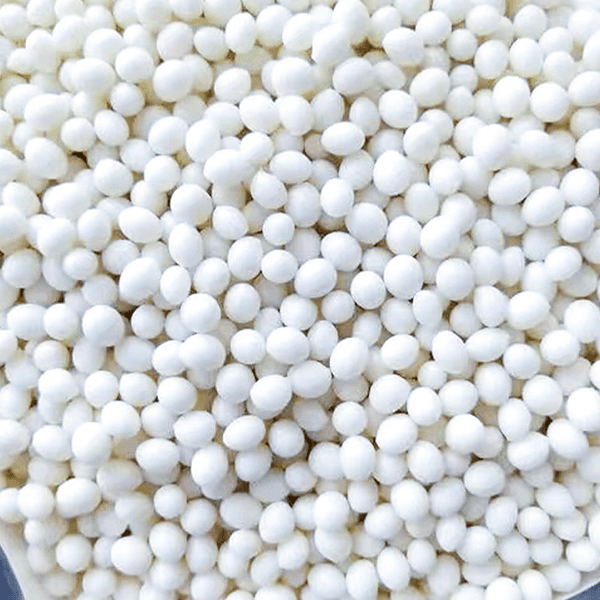
Different materials require different adhesive properties. For example, porous materials like paper and wood need adhesives with good penetration, while plastics require stronger surface adhesion.
Open time refers to how long the adhesive remains workable after application. For high-speed production, a shorter setting time is preferred, while manual assembly may require longer open time for adjustments.
If the bonded product will be exposed to heat or cold, choose a formulation that can withstand those conditions without losing strength.
Low-viscosity adhesives are suitable for spray or roll coating, while higher viscosity options work better with glue guns or extrusion systems.
| Adhesive Type | Key Feature | Advantages | Limitations |
| EVA Hot Melt Glue | Thermoplastic bonding | Fast, economical, easy to use | Moderate heat resistance |
| PUR Hot Melt | Reactive curing | High strength, heat resistant | Higher cost, complex handling |
| Solvent-Based Adhesive | Chemical bonding | Strong adhesion | Environmental concerns |
| Water-Based Adhesive | Evaporation curing | Eco-friendly | Long drying time |
EVA hot melt glue should be stored in a cool, dry environment away from direct sunlight. Proper storage helps maintain its performance and prevents contamination. Typically, EVA adhesives have a shelf life of one to two years when kept under recommended conditions.
It is also important to keep the adhesive sealed to avoid dust and moisture exposure, which can affect bonding quality during application.
With increasing demand for sustainable and efficient manufacturing, EVA hot melt glue is evolving to meet new industry standards. Innovations include bio-based EVA formulations, improved heat resistance, and enhanced bonding performance for advanced materials.
As automation and high-speed production lines continue to expand, the role of EVA hot melt adhesive will remain critical in delivering reliable and cost-effective bonding solutions.
EVA Hot Melt Glue stands out as a versatile and efficient adhesive solution for a wide range of industries. Its ease of use, fast bonding, and affordability make it an excellent choice for both industrial production and everyday applications. By selecting the right formulation and following best practices, users can achieve strong, durable, and consistent bonding results.






Copyright © Hangzhou Yihe New Materials Co., Ltd. Rights Reserved.
Eco Friendly Glue Suppliers