English
 中文简体
中文简体 русский
 عربى
عربىNews
Home / News / Industry News / Car Interior Glue Selection: Key Criteria for OEM and Aftermarket Production
 Search
 +86 178 5710 2305


Selecting a car interior glue is not a one-size-fits-all decision. The adhesive that holds a trunk panel in place can fail on a sun-exposed pillar trim, and a glue that bonds a fabric headliner may not stick to a PVC-coated door insert. The practical rule is this: define the substrate, the thermal environment, and the production method first, then narrow down the adhesive chemistry. If you skip that step, you will end up with delamination, visible wrinkles, or failed peel tests in the field. This article walks through the real criteria that car interior suppliers use to choose and validate an industrial adhesive.
Content
Automotive interior parts are not just decorative panels. They carry electrical components, face airbags, and sit in direct sunlight while experiencing temperature swings from -30°C in winter to 90°C near a windshield in summer. A glue that only bonds well at room temperature may soften, distort, or let go under those extremes. The three performance areas that decide whether a car interior adhesive is suitable are heat resistance, humidity aging, and bond durability under mechanical stress.
The chemistry of the adhesive determines its ceiling. Water-based adhesives like the ones used in PVC vacuum thermoforming are friendly to the environment and easy to apply, but they usually provide moderate heat resistance. PUR hot melt adhesives react with moisture to form a strong, heat-resistant bond, which makes them useful for edges and complex shapes. Solvent-based contact cements offer immediate tack but carry VOC and flammability penalties. The table below gives a practical comparison.
| Type | Heat resistance | Open time | Bonding pressure | Environmental notes | Best for |
|---|---|---|---|---|---|
| Water-based | Moderate (up to 80°C) | 10-30 min | Requires pressure | Low VOC, easy handling | PVC foil, leather, non-woven on hard panels |
| PUR hot melt | High (up to 120-150°C) | 30-60 sec then cures | Low pressure | Moisture-curing, no solvent | Edge wrapping, complex geometries |
| Solvent contact | Moderate | 5-15 min | Immediate contact | High VOC, flammable | Fast tack on fabric and vinyl |
Notice that heat resistance is not a single number. The same adhesive can pass a 70°C sag test but fail a 90°C heat-aging test after 1,000 hours. For interior parts that are glued near a window or a rear defroster, ask for heat-aging data before you approve any product.
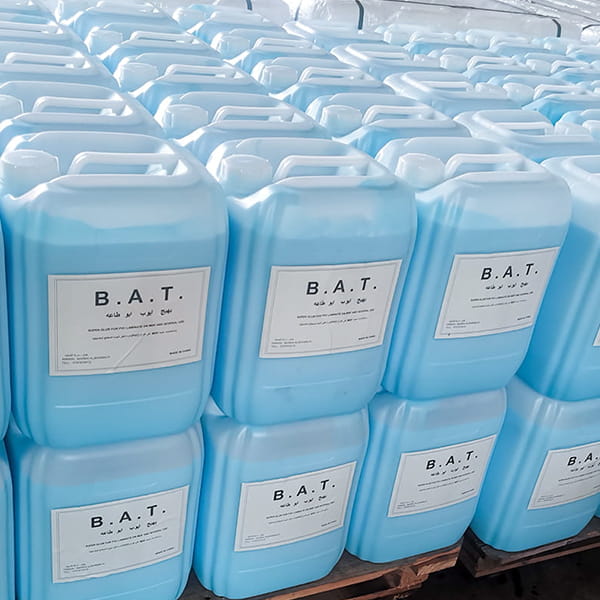
Your substrate matters more than the brand of glue. PVC films, PET films, PP films, leather, fabric, and various engineered boards all have different surface energies. A high-surface-energy plastic like PVC accepts a water-based adhesive better than a low-surface-energy plastic like PP. If you are switching from one film type to another without re-evaluating the glue, expect trouble.
Trunk panel wrapping is a common case where the operator must position a PVC film over a contoured board. The adhesive has to hold the film in place during the loading step, then allow a little adjustment before the press closes. Water-based adhesives shine here because they provide a manageable open time. For this job, LM3817 was developed as a trunk panel wrapping adhesive; its wet tack lets the film slide just enough to avoid wrinkles, and the bond turns firm under heat and pressure.
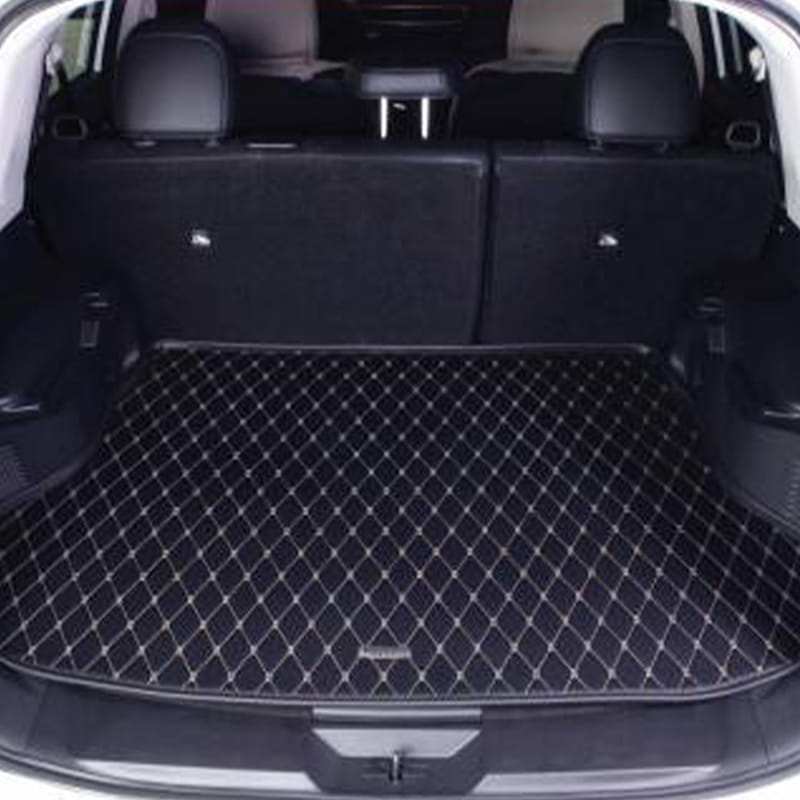 LM3817 Water-Based Adhesive for Automotive Trunk Panel WrappingLM3817 is a water-based adhesive with strong initial tack, designed to hold PVC film on contoured boards during trunk panel wrapping. Its wet tack allows slight adjustment to prevent wrinkles before the press closes.View Product →
Other interior components, such as door inserts or center console covers, are pressed at higher temperatures and with shorter dwell times. The glue must build strength quickly without creating blisters or outgassing. LM578 is a heat-press adhesive designed for this cycle. It works well when the tooling temperature and pressure are stable, which is why most automotive interior suppliers run a pre-production trial before committing to a full batch.
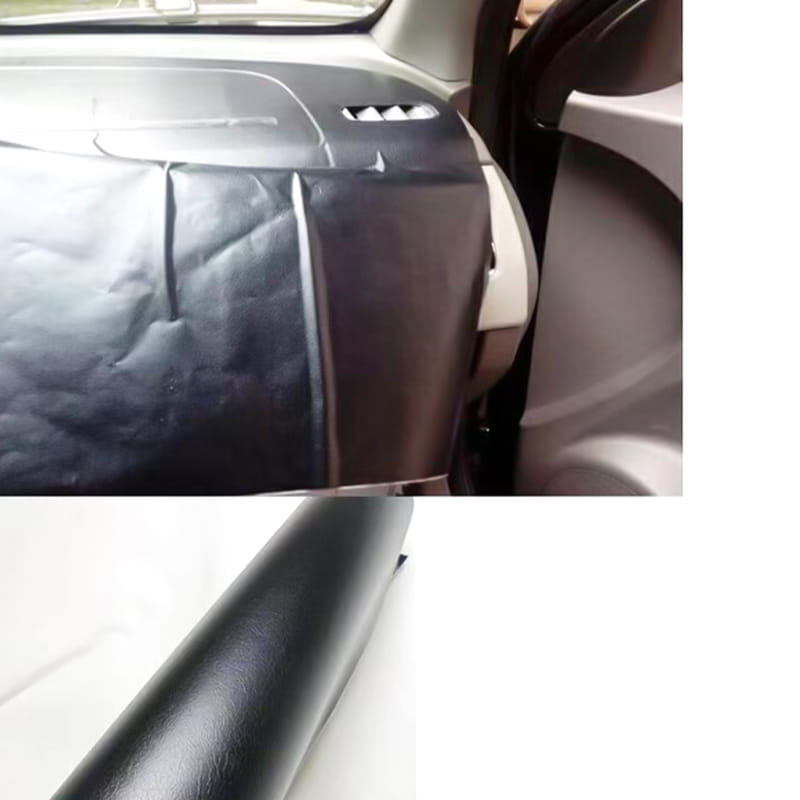 LM578 Heat-Press Adhesive for Automotive Interior ComponentsLM578 is a heat-press adhesive with lower activation temperature and longer open time, suitable for door inserts and center console covers. It builds strength quickly to avoid blisters and outgassing under high-temperature pressing.View Product →
Price and delivery are easy to compare; performance is not. A sample test on a flat bench tells you almost nothing about what happens inside a vehicle after three summers. Use a verification protocol that mirrors production and real service conditions.
Some failures only appear after a soak test causes the adhesive layer to absorb moisture and lose strength. If your supplier cannot provide aging data, that is a red flag. You should also ask for the test method and the acceptance criteria, not just a pass/fail certificate.
Dust, oily release agents, and moisture are the main causes of weak bonds. A clean, dry surface improves any adhesive. Some plastics need a solvent wipe or a flame treatment to raise surface energy. If the substrate has a dull, matte finish, it often bonds better than a glossy one.
Every adhesive has a window between application and pressure. Too short means the operator cannot position the part; too long means the bond is already too dry to wet out. For water-based products, note that the open time shortens when the workshop is warm and dry. Keep the adhesive covered and monitor the temperature of the glue tank.
In production, you also need to watch for adhesive build-up on press platens or wrapping rollers. A good car interior glue can be cleaned while it is still wet, which keeps downtime low. Ask the supplier for cleaning recommendations that work with your existing line setup.
Choosing a car interior glue comes down to a clear decision sequence: define the substrate, define the service environment, and then match the chemistry to your production cycle. Water-based adhesives are a practical choice for many interior parts because they are easier to handle and meet emission limits. PUR hot melts add durability where heat and complex geometry are a problem. Whatever you select, validate it with aged samples, not just fresh ones.
If you are still comparing options, our guide to car interior glue covers the same decision points in more detail, including common mistakes that lead to delamination. It will help you build a checklist before you talk to a supplier. Car interior glue: how to pick the right one









Copyright © Hangzhou Yihe New Materials Co., Ltd. Rights Reserved.
Eco Friendly Glue Suppliers