English
 中文简体
 русский
 عربى
News
Home / News / Industry News / Polyurethane Hot Melt Adhesive: Applications, Selection Criteria, and Practical Guidance
 Search
 +86 178 5710 2305


Polyurethane hot melt adhesive, almost always shortened to PUR, is one of those materials that quietly holds modern manufacturing together. Walk through a door plant, a furniture factory or an automotive trim line and you will find it bonding decorative film to MDF, veneer to a profile, or edgebanding to a panel that has to survive steam and sunlight for a decade.
What makes it unusual is that it starts life as a thermoplastic and finishes as a thermoset. That gives production teams something genuinely rare: the speed of a hot melt with the durability of a chemically cured adhesive. Below we have set out how PUR behaves, where it fits best, and what to watch for on the line, which is the same ground our team covers with customers almost every week.
Content
In plain terms, a polyurethane hot melt adhesive is a 100% solids product built on a polyurethane prepolymer that still carries reactive isocyanate groups at the ends of its molecular chains. There is no water and no solvent in the formulation, so nothing has to evaporate before a bond can form. The adhesive simply has to melt, wet the surface, cool, and then cure.
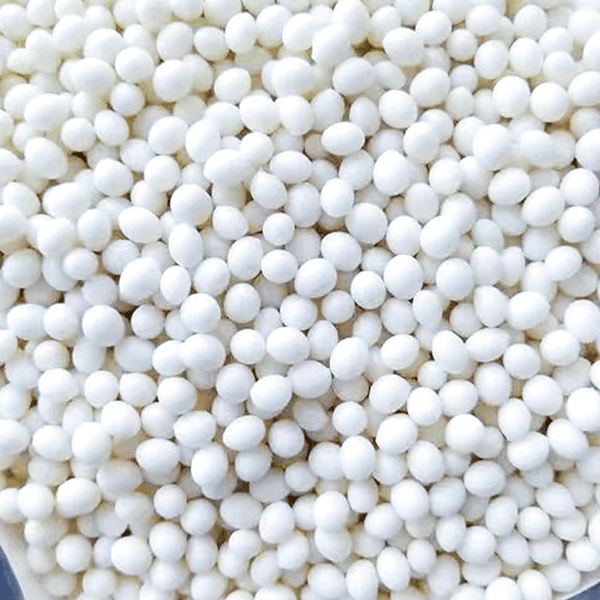
It is supplied as granules, chips or pillows for tank and drum melters, and as a paste in pails or drums where a liquid PUR suits the process better. On the line it is heated to roughly 100 to 140 degrees Celsius depending on the grade, applied molten, and pressed while it is still open.
The distinction that matters most is what happens afterwards. EVA and other conventional hot melts stay thermoplastic, so heat them again and they soften. PUR does not. Once the cross-linking is complete the bond will not remelt, which is exactly why it holds up in kitchens, bathrooms, vehicle cabins and anywhere else that heat and humidity do their worst.
Understanding the sequence helps explain most of the behaviour you will see on a production line.
Cure speed is not fixed. It depends on humidity, temperature, coat weight and how permeable the substrate is. Thin bond lines cure faster than thick ones, and a dry winter workshop will slow things down compared with a humid summer one. Because the adhesive is 100% solids, there is very little shrinkage and no carrier to dry out, which is why bond lines stay thin and panels stay flat.
Most specification conversations come down to a handful of trade-offs between the three adhesive families used for surface bonding. The comparison below is a starting point for that conversation, not a substitute for a trial.
| Property | PUR hot melt | EVA hot melt | Water-based PVC adhesive |
|---|---|---|---|
| Heat resistance after cure | High | Moderate, softens again | Moderate to high |
| Moisture and steam resistance | Excellent | Limited | Good |
| Re-melting with heat | No | Yes | No |
| Drying oven required | No | No | Yes |
| Typical open time | Short to moderate | Short | Long |
| Equipment demand | Heated hose, sealed melter, moisture control | Standard melter | Coating and drying line |
PUR tends to appear wherever a thin decorative surface has to stay put for years while the finished part is exposed to heat, water or mechanical stress. Our own PUR application overview groups these uses by process, and a few of them are worth describing in detail.
Bonding PET, PP, PVC film or veneer onto MDF is one of the largest uses. The adhesive is applied by roller and the film is nipped straight after, so the line is short and there is no drying tunnel to add moisture back into the board. The result is a flat panel with a bond that will not lift at the edges during routing or in a warm room.
 LM6016 Reactive PUR Hot Melt for Flat Panel LaminationA 100% solids moisture-curing PUR adhesive for bonding PVC, PET or acrylic to wood-based panels, with high initial strength and heat and water resistance.View Product →
Window frames, door casings and furniture profiles are wrapped with PVC film, CPL or veneer at speed. The open time here is short, so the wrapping line has to be well set up and the adhesive applied evenly across the full width. When it is right, corners and tight radii stay tight.
 LM6012 PUR Wrapping Hot Melt AdhesiveA solvent-free reactive PUR hot melt for wrapping PVC onto MDF, solid wood, decorative lines and aluminum profiles, offering high initial tack and water resistance.View Product →
PUR edgebanding has become the default for kitchen fronts, bathroom furniture and doors where an edge has to survive steam, cleaning chemicals and daily knocks. It also tolerates the very thin glue lines that modern zero-joint machines aim for.
 LM6019 PUR Edgebanding Hot Melt AdhesiveA 100% solids moisture-curing PUR adhesive for PVC edgebanding and wood substrate lamination, with short curing, high initial strength and heat and water resistance.View Product →
Inside a vehicle, PUR bonds trim fabrics, films and boards to substrates where vibration and temperature cycling are constant. Similar logic applies to textile lamination, sandwich panel assembly and some packaging work, where a fast, solvent-free bond with real final strength is worth the extra equipment discipline.
The adhesive itself is rarely the problem when something goes wrong. Most of the time the culprit is one of a few process habits.
Uncured PUR contains isocyanates, so the safety data sheet is not optional reading. Ventilation at the melter, gloves and eye protection are standard, and skin contact with hot adhesive should be avoided both because of the temperature and because of the chemistry. Good housekeeping also protects the product itself: sealed packaging, dry storage and a sensible rule for how long an opened pail may be used before it is discarded.
Grade selection is a matching exercise. Start with the substrate and the surface film, then work out the coat weight, the open time your line can actually meet, and the heat or moisture exposure the finished product will face. A quick trial on the real line, with the real materials and a full cure before testing, saves more time than any datasheet comparison.
We have been supplying industrial adhesives from Tonglu since 1997, and the questions have not changed much in that time: what are you bonding, how fast can you run, and what does the part have to survive? If you would like a second opinion on any of that, our team is always glad to talk it through, and you can read more about our background and how we work.






Copyright © Hangzhou Yihe New Materials Co., Ltd. Rights Reserved.
Eco Friendly Glue Suppliers